



The group, registered in 1965 and officially becoming F.lli Campagnolo in 1973, moved from third-party production to a proprietary brand company in the early 1990s. Mainly recognized for the CMP brand (technical clothing and accessories for mountain sports), it has been working for a few years on a broader positioning strategy and, through the introduction of new lines and brands, tries to intercept new consumer communities.
Still a family business today, F.lli Campagnolo is a continuously growing international reality, where it exports not only the creativity and quality of Made in Italy, but also the values of sustainability and ethics that distinguish companies that do not forget the context and territory in which they were born.
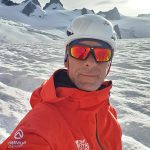
We interviewed Fabio Campagnolo, CEO of F.lli Campagnolo, who, together with his two sisters, runs the family business with skill and pride.
The numbers of F.lli Campagnolo and the weight of CMP
Good morning Fabio, let’s start with some numbers. How much does the F.lli Campagnolo group currently earn? How important is the CMP brand? What percentage of the Italian market does it represent?
In 2024 the group had a turnover of 213,000,000 euros, in 2025: 215,000,000 and I believe we will close 2026 between 218,000,000 and 220,000,000.
The CMP brand accounts for approximately 85% of the total, with the Italian market accounting for approximately 45%. Germany follows with 33%, while Spain, Austria, and Switzerland each account for 5%. The Alpine countries are naturally the most important for us.
Your group is still a familiar reality but now spread internationally. How is the consumer sales network structured?
We generate approximately 15% of our turnover through our single-brand stores, which comprise around eighty stores and outlets in outlet villages, mostly located in Italy. In addition to these stores, we have a network of over 2,000 multi-brand stores, which we serve through a dozen directly operated showrooms and another dozen showrooms managed by agents.
CMP’s growth strategy
Compared to many sportswear and accessories brands, especially high-end ones, that have struggled since 2020, what strategies and investments are allowing CMP to grow?
We can consider two approaches, the B2C one and the B2B one.
Regarding the first, F.lli Campagnolo makes competitiveness its strong point, which is why in a time of crisis like this we are rewarded by consumers, who recognize the excellent quality/price ratio and the innovative and creative characteristics of our products.
In general, we always put the customer first, and this is reflected in our B2B policy, in which we take care of logistics, serving customers promptly thanks to good warehouse availability, while also striving to ensure good margins.
From sport to lifestyle: the evolution of the group
We talked about CMP and therefore about sport, but F.lli Campagnolo’s interest and proposals in recent years have gone far beyond this: with the Athleisure lines, Collective (of) Moving People dedicated to Gen-Z launched in 2025 and the brand dedicated to women Jeanne Baret, launched in 2023.
Is the interplay between sport and everyday life really growing to the point of justifying the emergence of specific lines and brands?
I always say that, if the world changes, companies must adapt to the change, meet consumer desires and be able to communicate with the latest trends.
Our group works to reach an ever-expanding audience and new consumer communities. We’ve noticed that people are increasingly seeking comfortable and versatile clothing without sacrificing style and sophistication. Thanks to our DNA in developing technical sports products, we can truly meet the expectations of this target customer base, offering everyday clothing made with high-performance fabrics and design solutions in terms of thermoregulation, fit, ease of care, quick drying, and minimal ironing.
If until a couple of seasons ago our brand CMP had collections developed solely for sports such as trekking, trail running and skiing, it has since expanded its range of proposals with lines such as Athleisure and Collective (of) Moving People, precisely to satisfy the daily needs of a modern clientele and a young target.
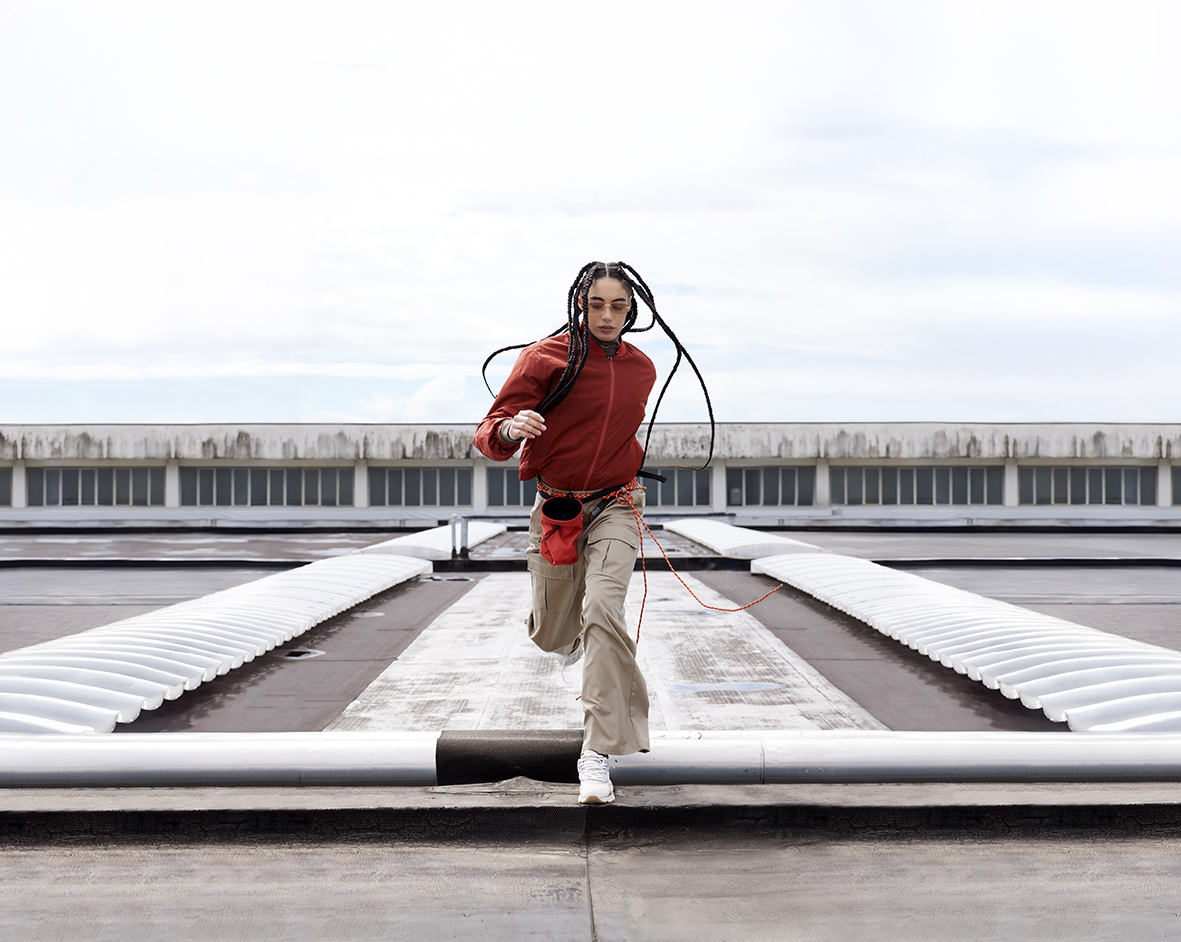
Collective (of) Moving People and the dialogue with Gen Z
Tell us about Collective (of) Moving People. Gen Z speaks a language that blends street culture, a passion for sports, music, and travel. How does this line relate to the younger generation?
Since the first Collective (of) Moving People winter collection, we’ve been working with the interests, communication styles, and style of today’s youth in mind. Our offering has combined relaxed fits, streetwear references, technical fabrics, and functional details, with pieces for skiing and snowboarding, as well as a few versatile pieces for any occasion.
The interest generated by this first collection led to the next one, this summer’s collection, which combines pastel colors, technical fabrics, oversized fits, and a style that doesn’t differentiate greatly between genders. These are versatile pieces, for young people or those who still feel like they’re young, who spend their free time enjoying aperitifs in the city or engaging in light urban or outdoor activities.
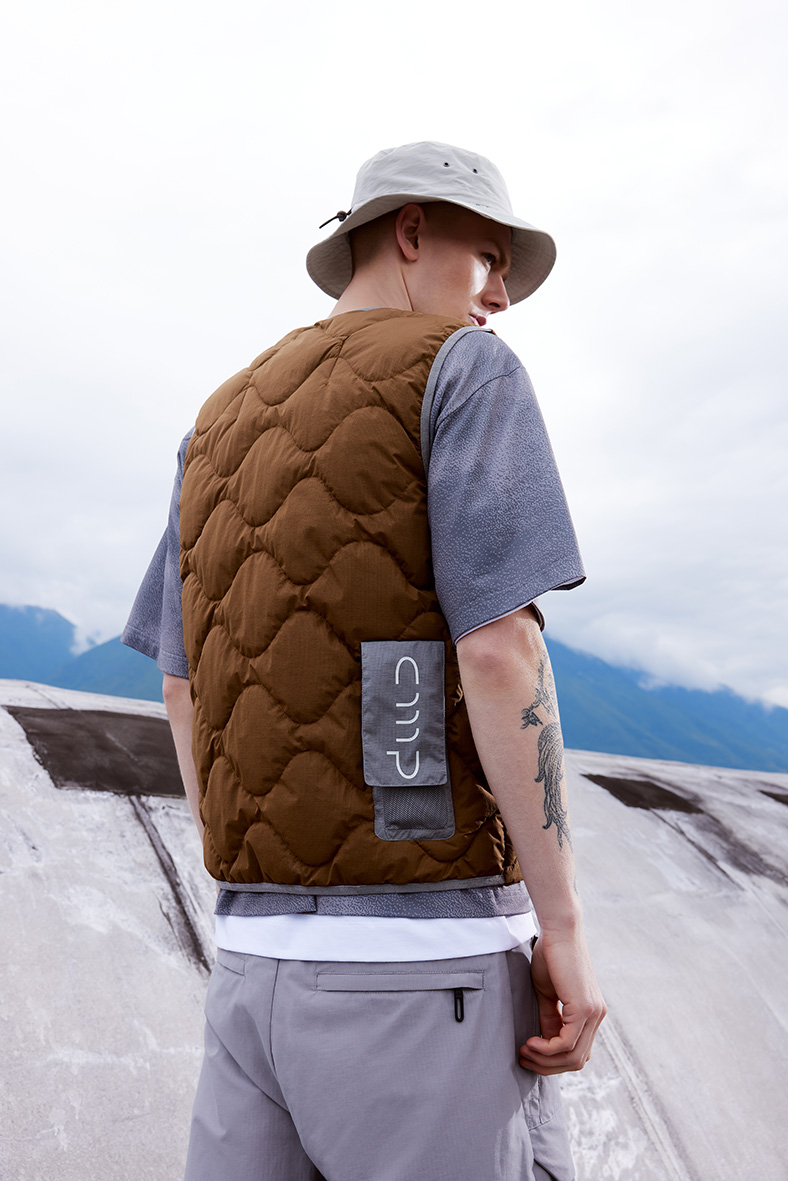
Athleisure: comfort as an everyday style
Who is the Athleisure line aimed at?
In 1978, compulsory gym class was introduced in schools, and F.lli Campagnolo subsequently began producing tracksuits for brands such as Puma and Reebok. This experience consolidated its expertise in weaving and dyeing, allowing the group to grow and subsequently establish itself with its own CMP brand.
Athleisure is a sort of “return to the roots,” to the years when tracksuits were synonymous with leisure. This line emphasizes comfort, with comfortable yet refined pieces that make you feel free, perfect for both home and casual wear.
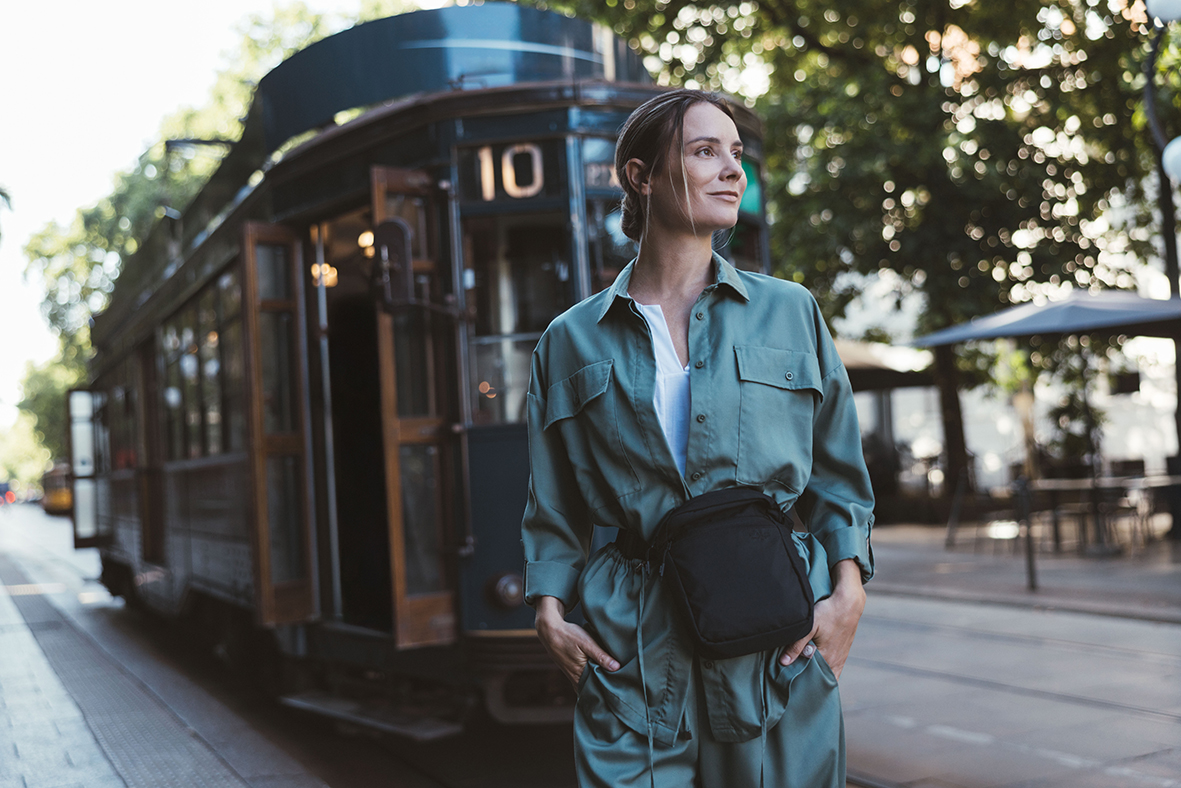
Jeanne Baret: the new brand dedicated to women
We talked about new lines, but yours doesn’t seem to be a simple desire to expand the range of products, but rather a positioning strategy.
This seems even clearer considering the birth of the Jeanne Baret brand.
What is the inspiration behind this brand and who is it aimed at?
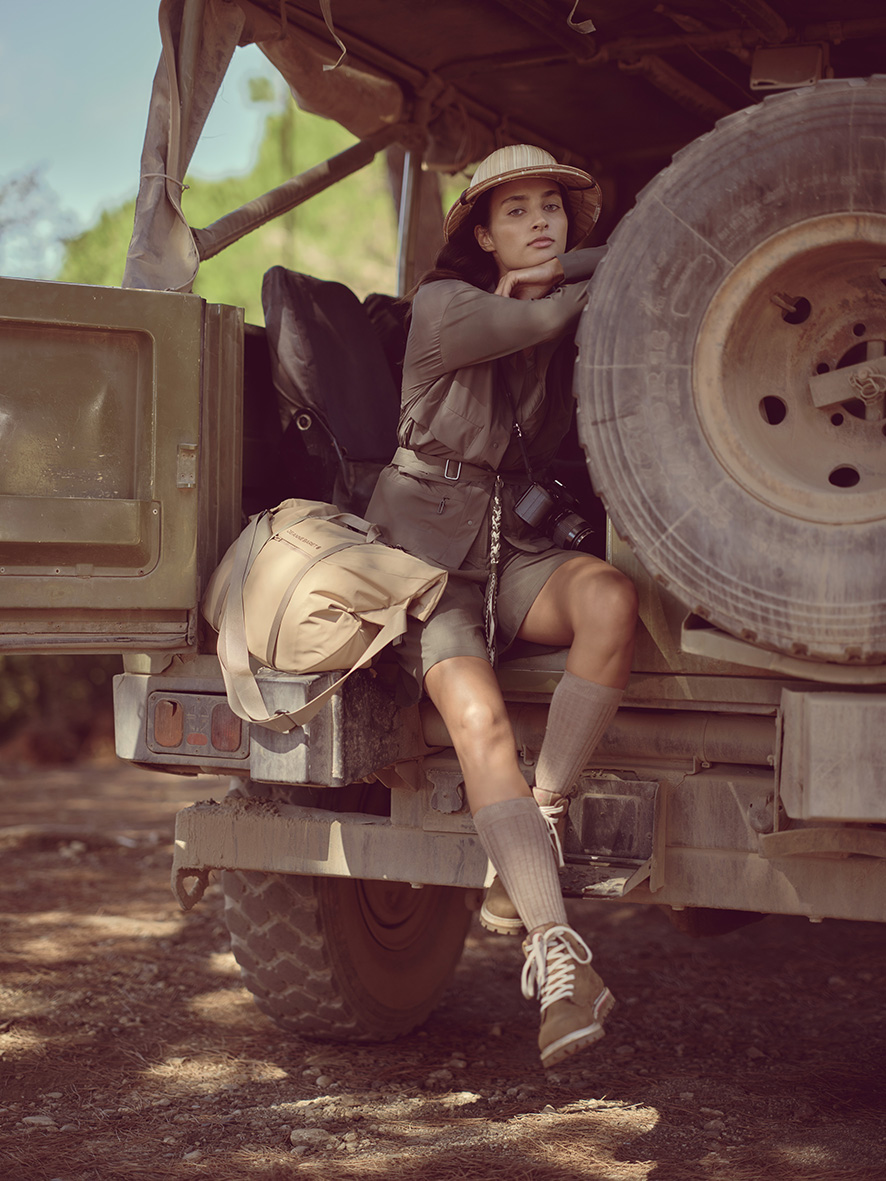
The Jeanne Baret Brand was born in 2023 and takes inspiration from the 1700s French explorer of the same name who, disguised as a man (women were forbidden to do so), embarked as a botanist’s assistant on a vessel leaving to explore South America. The botanist, who fell ill during the journey, taught her to write and read and the rudiments of botany. She was responsible for the discovery and introduction of Bougainvillea and other plant species into Europe.
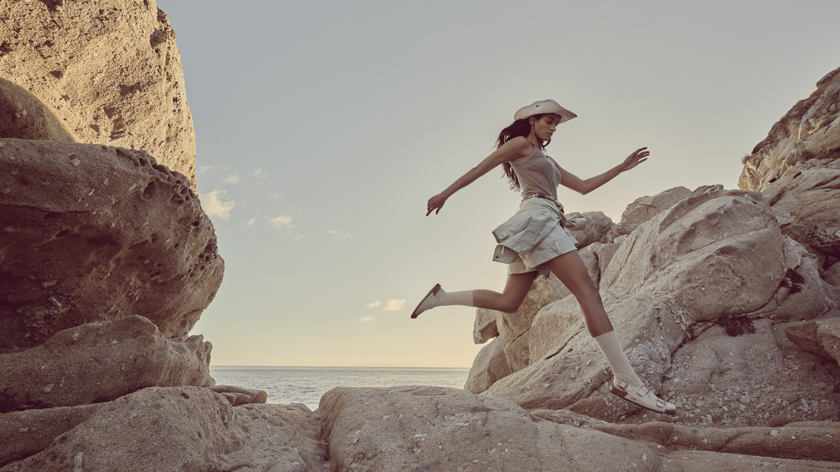
This female figure and her adventurous, bold, and curious nature inspired the new brand, a brand that caters to contemporary women who love to travel and juggle the thousand commitments of everyday life, doing so with clothing that is as rich in style as it is technical, versatile, and practical: comfortable, functional, versatile, quick to wash and that doesn’t need ironing.
Jeanne Baret positions itself on the market in an original way, with a precise identity and a personal aesthetic, and the aim of connecting the worlds of women’s sportswear and fashion.
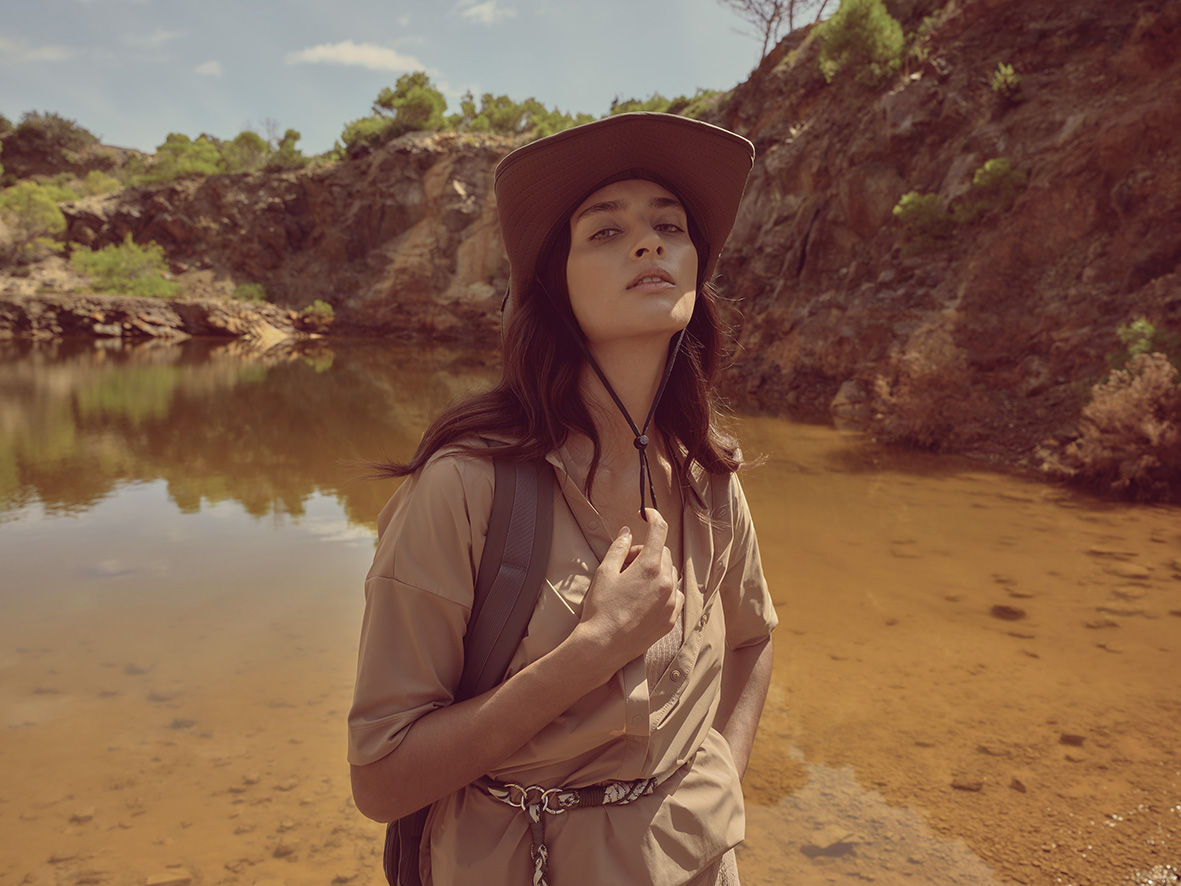
How was the market response?
Jeanne Baret is growing. We’re strengthening our sales network, including the opening of our first two flagship stores in Vicenza and Treviso, as well as several shop-in-shops. We’re growing most abroad, especially in German markets, where outdoor style is a well-established trend, but also in Italy, where the passion for fashion is hard to displace.
Design, research, and development: the know-how of F.lli Campagnolo
Design, style, and material research are essential elements in the success of sportswear, especially for sportswear. How are your design offices and research and development departments structured? Do you do everything in-house?
As mentioned, our DNA is that of a manufacturer. We’ve worked for Puma, Reebok, Nike, and Champion, and before production moved to Eastern Europe and Asia, Italy was the leading manufacturer. Although over the years, investments have shifted more toward brand development, we maintain our expertise in style, product development, and modeling within the group. We employ around thirty stylists and modelers at our headquarters in Romano d’Ezzelino, but we also rely on external consultants who can bring us fresh ideas and diverse insights to work with.