





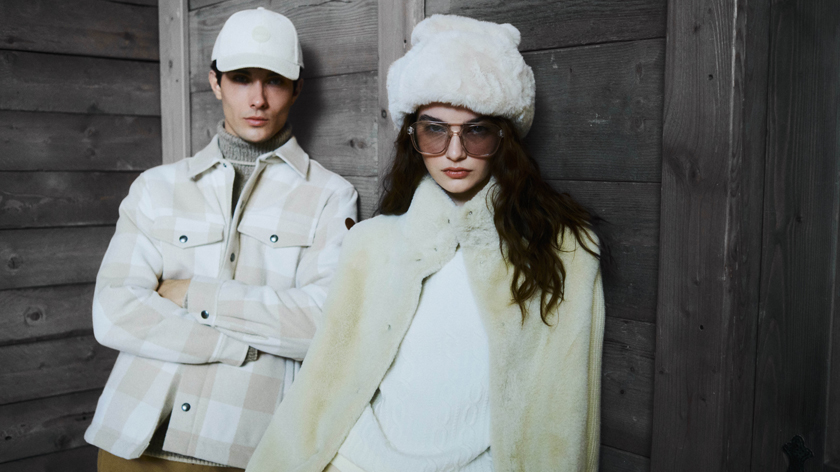
From a tradition of skiing to contemporary sportswear, the fourth generation of the Colombo family is building the future of Colmar without losing its connection to its roots.
Roberta Colombo, between product and market
Good morning, Roberta. I’d like to start by asking about your role at the company: what exactly do you do, and how important is this role in the process of transforming an idea into a product?
Formally, I hold the position of Head of Product Merchandising—in practice, I act as a liaison between sales and product. The primary function of this role is to gather feedback from the market and the end customer, and relay it to the product department so that it can be incorporated into the development of collections. I work closely with both the sales team and product managers, focusing on structuring collections—in terms of materials, product categories, and colors—by following current trends and market demands.
At Colmar, we have two winter lines: the Colmar ski line and a sportswear line called Originals. For the summer, we offer only the Originals line, which now incorporates what we called “Active” for the past two years—that is, more technical summer products designed for outdoor activities.
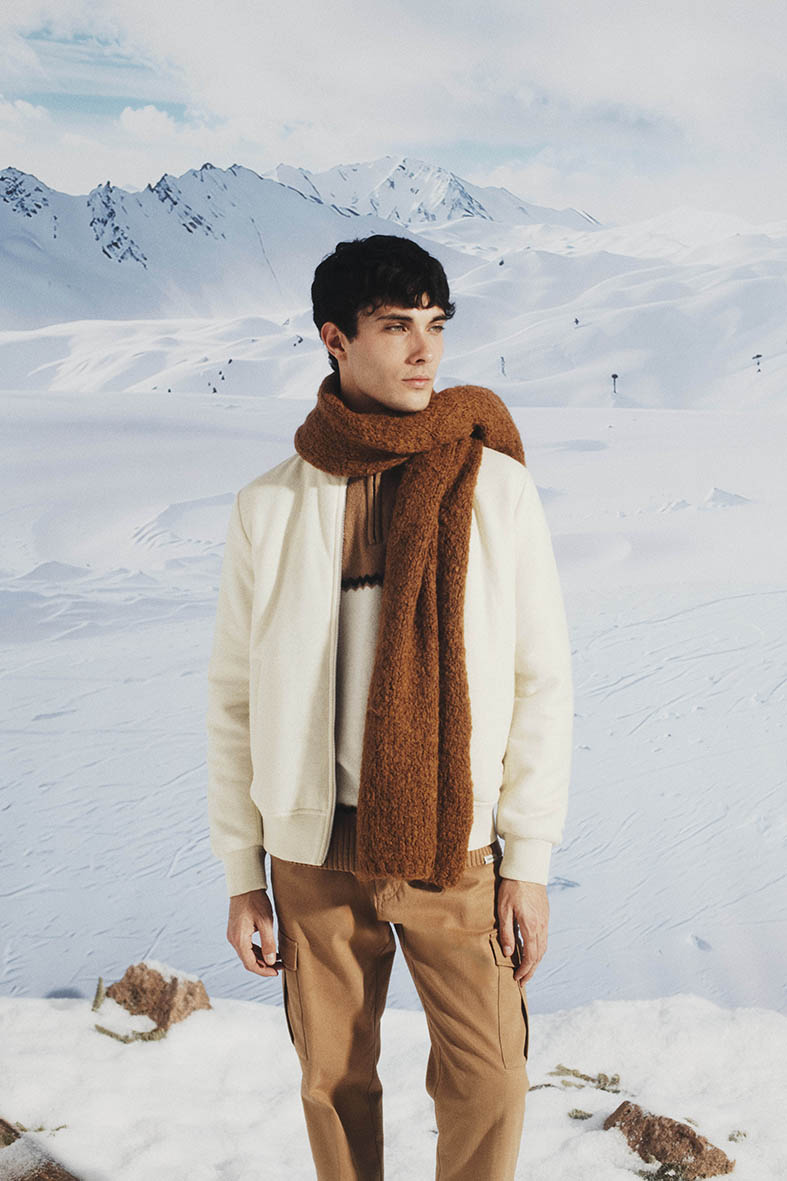
Colmar, a family legacy spanning over a century
More than 100 years after its founding, Colmar remains a family-run business, and you represent the fourth generation of the Colombo family to be involved in the company. What does it mean for your generation to take on such a significant legacy while also helping to shape its future?
The corporate and family sides of the business have always coexisted on a daily basis. I’ve been immersed in the world of Colmar since I was a child—back when my grandmother would let me play with buttons on the table—but many of our employees have been here for 40 years or more, and in a sense, they are part of the family, too.
For us at Colombo, upholding the legacy of previous generations has always been a tremendous responsibility. The greatest challenge lies in confronting new demands without ever losing sight of the principles held by our founders—in my case, my grandparents and great-grandparents—embracing innovation while remaining firmly anchored to our roots and our identity.
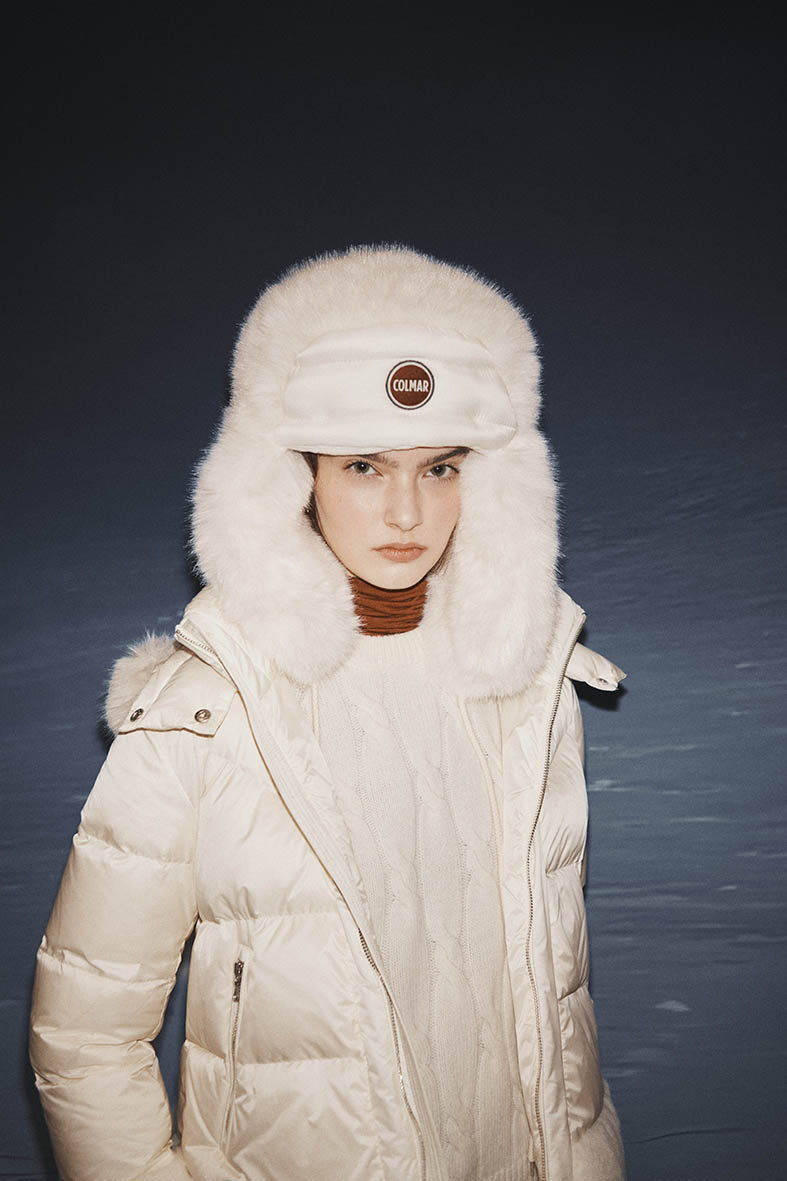
From skiing to sportswear: Colmar Originals is born
When we think of Colmar, we immediately think of skiing, competition, and a heritage built around performance. About fifteen years ago, however, you began developing another dimension of the brand with Originals.
Where did the need to embark on this new path arise from?
It certainly stemmed from the need to expand our offering—moving beyond the ski slopes—while always drawing inspiration from our technical know-how. From the very beginning, the strength of the Originals line has been its ability to translate the technical qualities found in our gear—such as our jackets—into garments that anyone can wear every day.
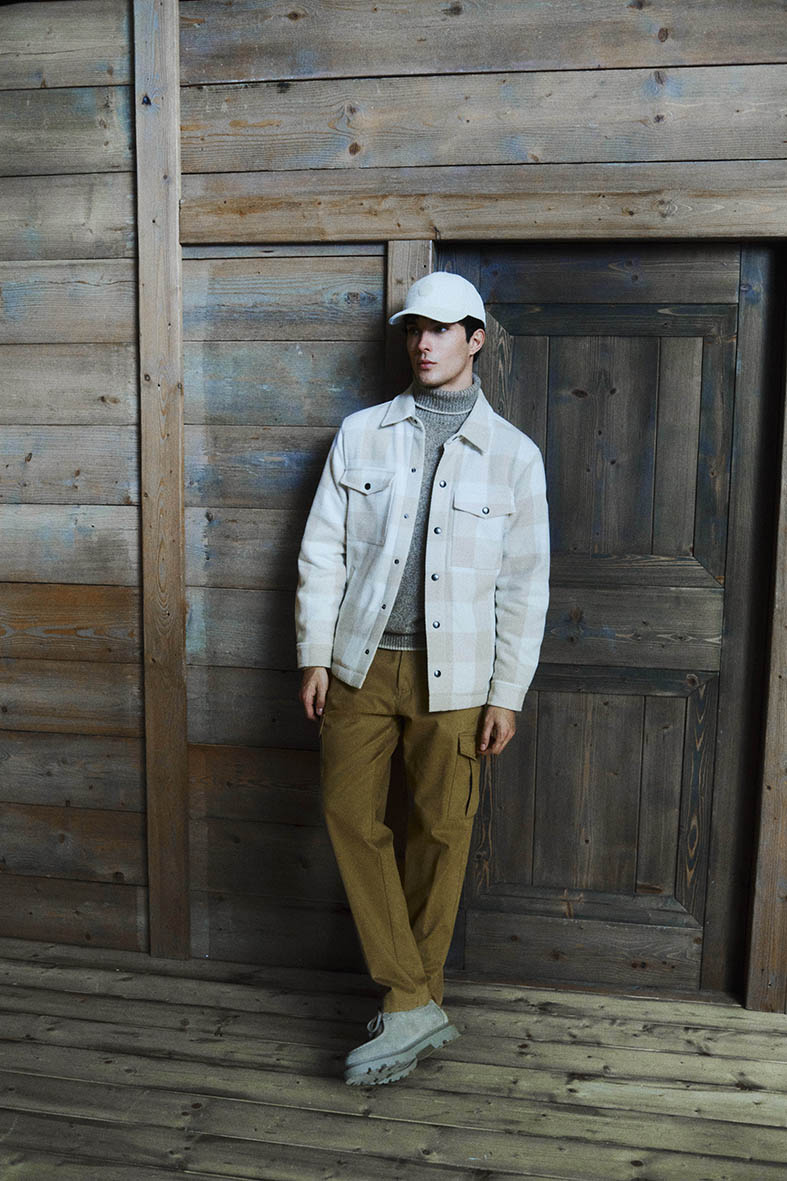
How the Originals world has evolved
How has Colmar Originals evolved over the years, and how has its target audience changed in parallel?
When Originals was first launched, the collection was very compact and found success primarily among young people. Over time, it has matured and expanded in terms of its product range; today, our consumers are more mature men and women.
While Originals was initially associated primarily with the winter season, the summer collection has also grown significantly over time—both in terms of its offerings and how it is perceived—and today we are very proud of the results that this collection, too, is achieving.
Technicality as a distinctive value of sportswear
In recent years, the line between fashion, sportswear, and the outdoor lifestyle has become increasingly blurred, and many fashion brands have begun to engage with this sphere. What, then, is the value of a heritage like Colmar’s—a brand rooted in sports culture and technical expertise?
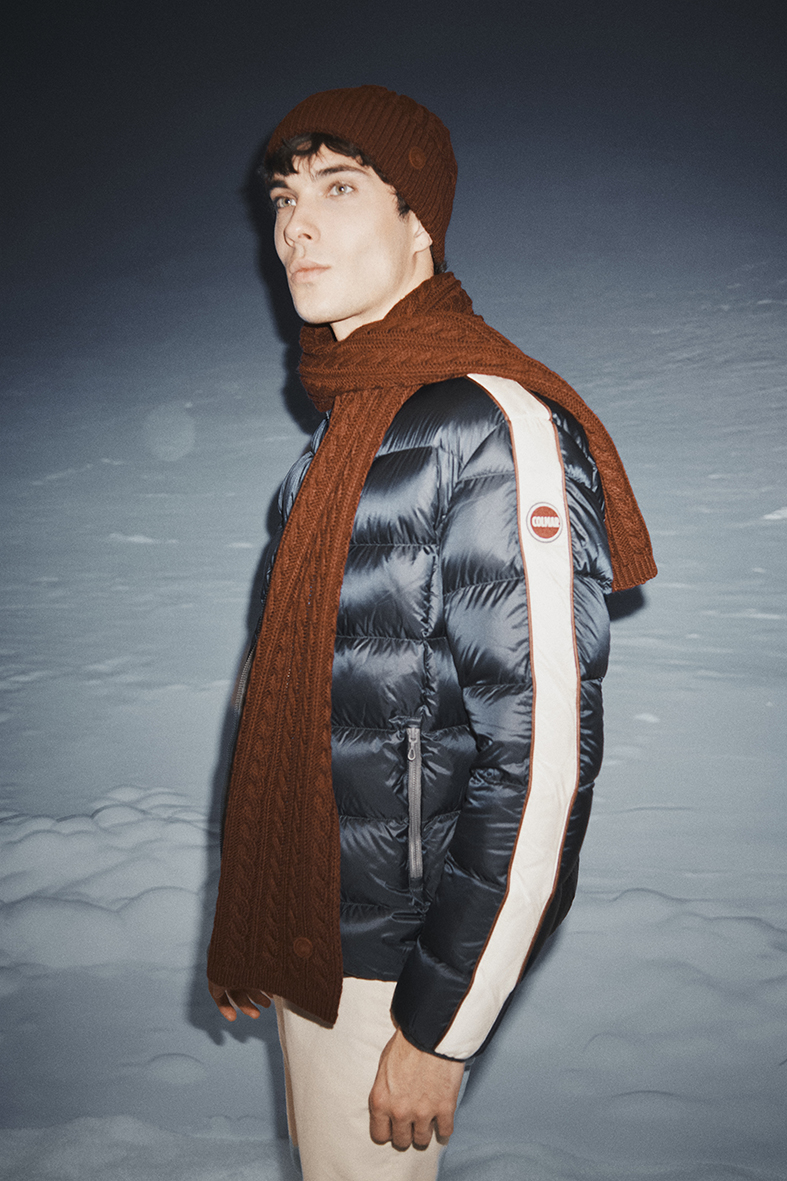
Sportswear increasingly demands materials and silhouettes with a high degree of technicality—a quality that, along with performance, is embedded in Colmar’s DNA. Who, then, is better suited than us to craft a waterproof jacket or a technical down jacket? The cornerstones of our collections are practicality and versatility, paired with the distinctive aesthetic touch that has always set us apart.
The historical archive as a source of inspiration
Your role involves working closely with designers, the production team, and the market. How is a Colmar Originals collection built today? Where do the inputs that shape a new product or a new direction come from?
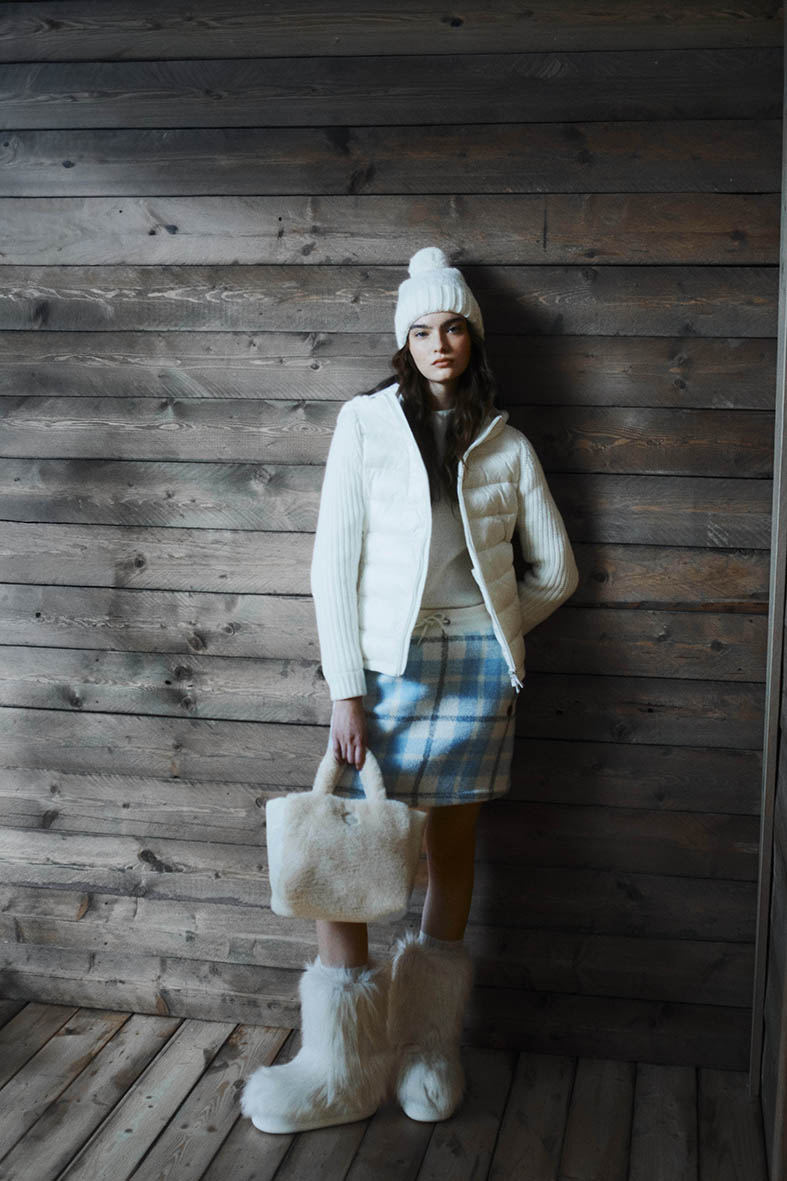
The creation of a collection takes into account both market demands and trends in the fashion world; however, at Colmar, we have an additional asset to draw upon: our historical archive. Comprising both documentation and actual garments, this archive has been built up over decades—and, in anticipation of the company’s centenary in 2023, it underwent a major, meticulous reorganization and restructuring within a facility located near our corporate headquarters.
For both designers and those of us who develop products, it is always interesting to look back at what has been created in the past and draw inspiration from it—while, of course, refining and evolving those concepts to make them relevant today.
Between craftsmanship and industry: the expertise of Colmar
Colmar’s origins date back to a time when the company was an artisanal operation. Today, more than a century later and with an international presence, how much of that original spirit can still be seen in the way you work? Where does craftsmanship end and industry begin?
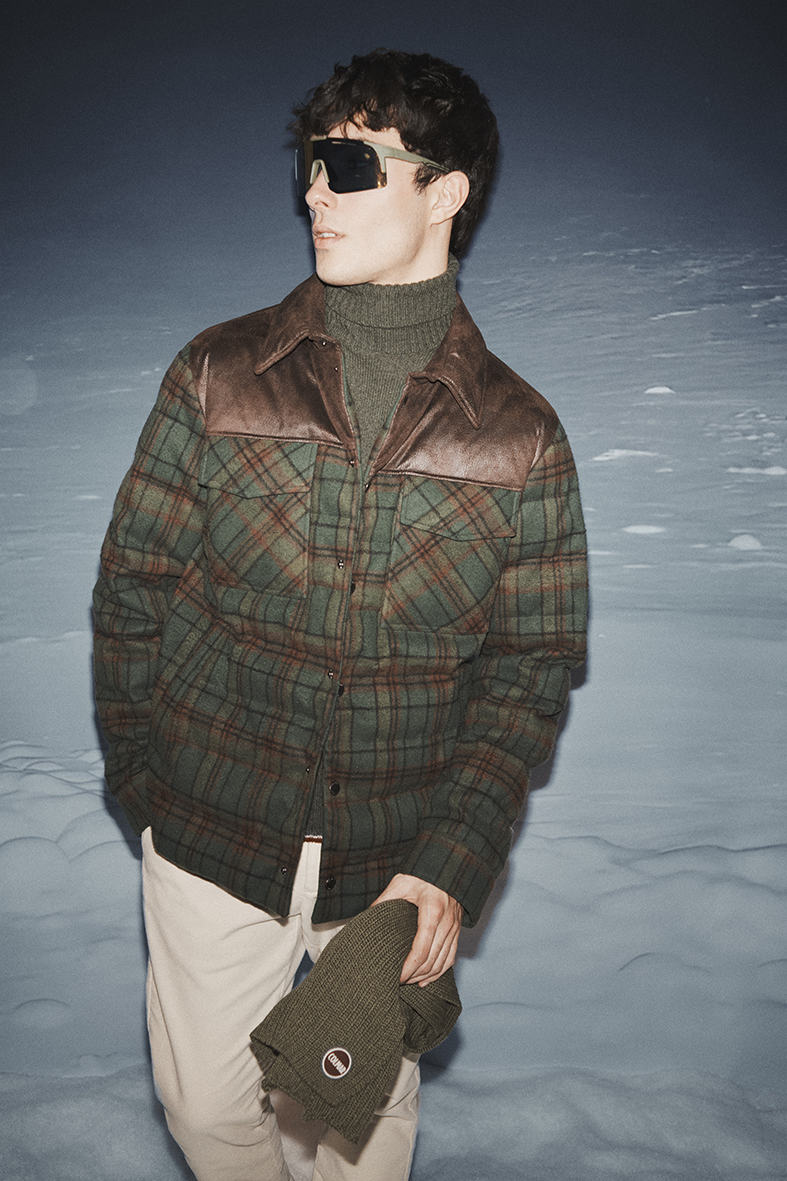
Among companies in our sector and of our scale, we are one of the few to have retained a certain degree of craftsmanship. Our headquarters houses a fully autonomous in-house prototyping department, complete with sewing machine operators, pattern makers, cutting tables, and equipment for heat-sealing seams and filling garments with down. This allows us to oversee the development of our garments with both precision and speed—maintaining an artisanal approach that has been lost elsewhere.
Of course, these days it’s unthinkable to handle production in-house—you’re forced to outsource—but that’s precisely why we have a department called Industrialization, which is dedicated to industrializing prototypes.