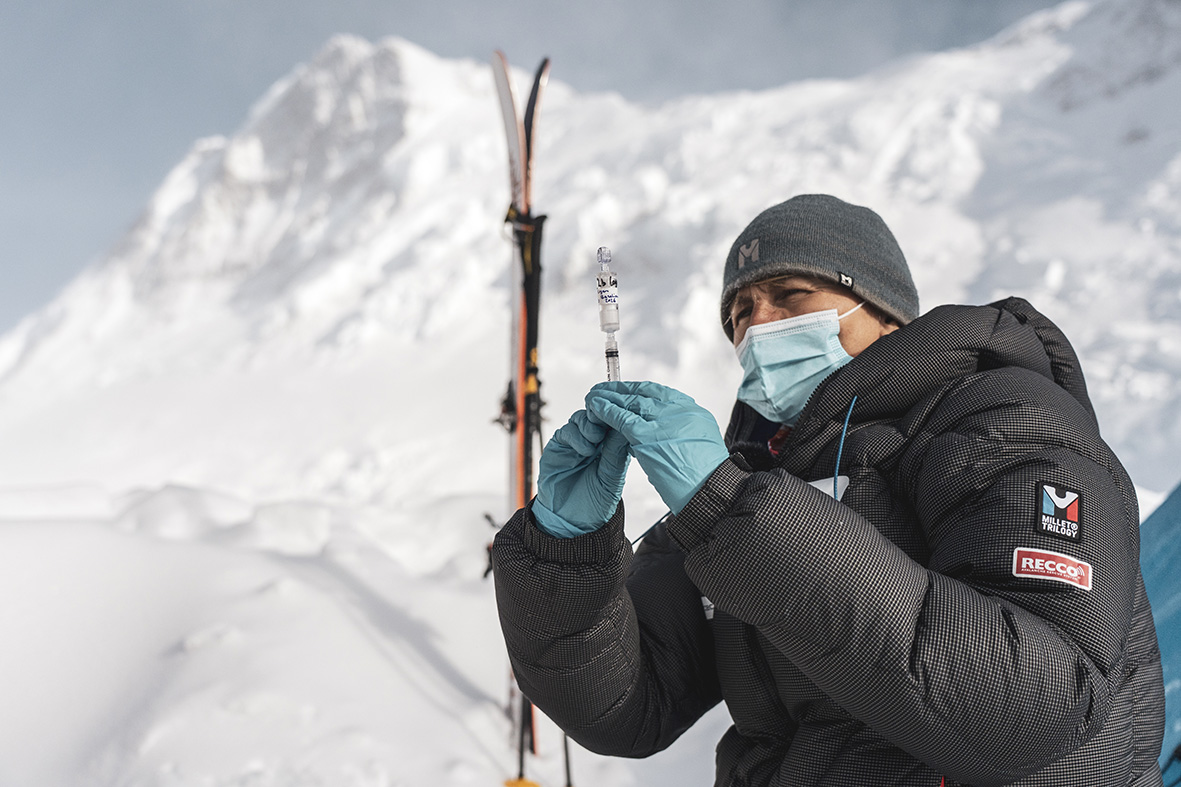





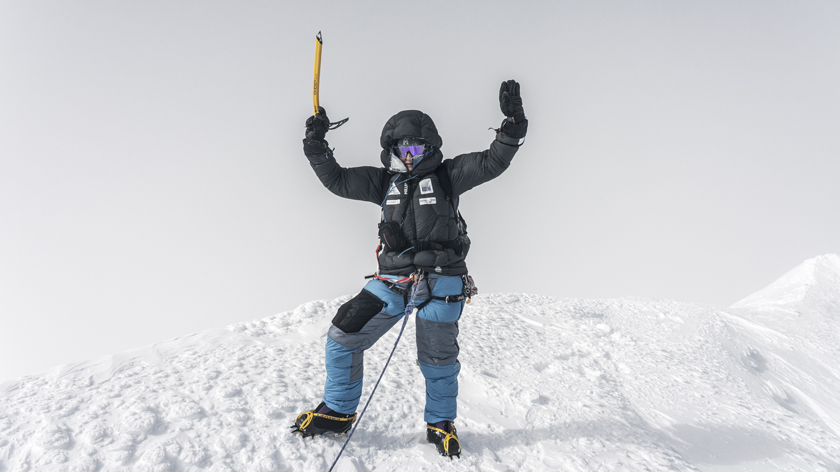
Sophie Lavaud, an athlete from the Millet team, conquered Mount Logan (5,959 metres), the highest mountain in Canada, at the end of an extraordinary expedition in the heart of the Yukon.
4Outdoor is also on Whatsapp. Just click here to subscribe to the channel and stay up to date.
An extreme expedition through ice, wind and absolute isolation
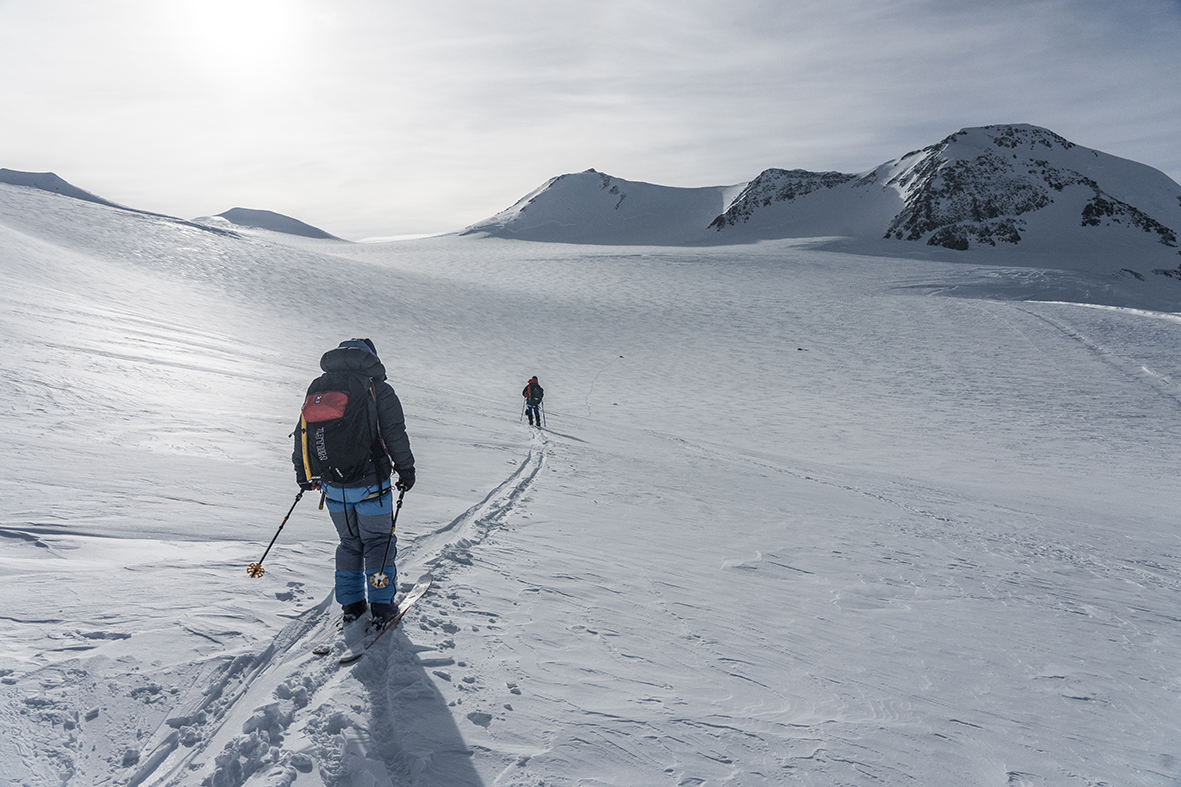
An adventure she describes as one of the most challenging of her career, experienced across vast expanses of ice, temperatures approaching -30°C, and long journeys on skis towing pulkas in extreme weather conditions. A completely different experience from the Himalayan expeditions she knows well, combining sporting challenge, discovery, and citizen science.
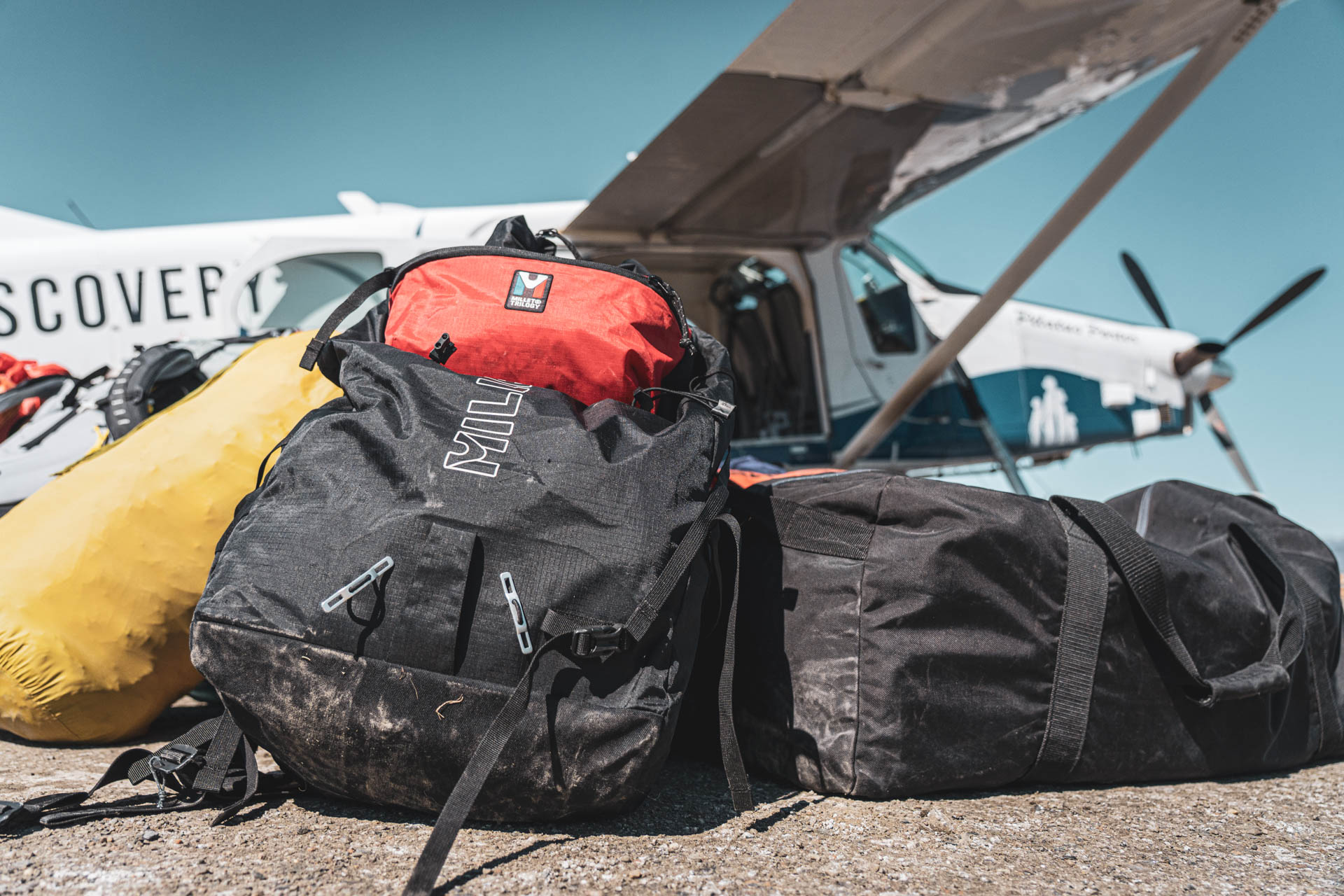
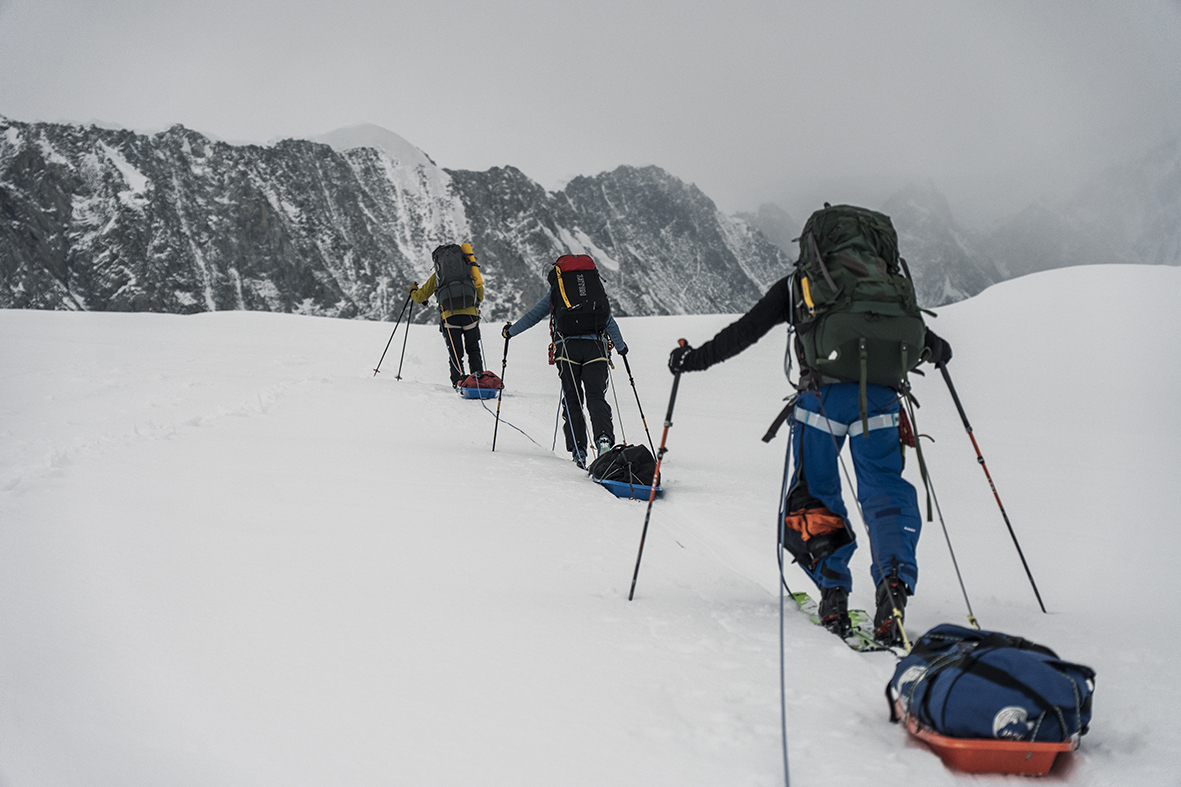
“Just a few days after reaching the summit of Mount Logan, I still carry with me very intense images and emotions,” says Sophie Lavaud. “What I remember most vividly is the sense of absolute isolation, the boundless ice landscapes, the constant cold, and the enormous energy required to move from one camp to the next. It was a unique experience, very different from those I had in the Himalayas. When the small plane drops you off on the glacier, you’re completely alone. Moving on skis and pulkas requires precise organization: first you transport some of the gear to the next camp, where it’s hidden in holes dug in the snow, then you go back to retrieve the rest of the equipment, including the tents, kitchen, and bathroom tent. Day after day, we crossed an immense and pristine wilderness, slowly advancing through this wild environment.”
The difficulties of the expedition and the value of teamwork
“The atmosphere within the group was extraordinary,” the athlete continues. “With me were Ulysse behind the camera, Pascal, and David, our guide from Quebec, whose experience proved invaluable, especially during bad weather and moments of poor visibility. Already at Camp 1, at an altitude of 3,300 meters, we were hit by a violent storm with wind gusts of up to 150 km/h. We spent an entire afternoon clinging to the tent to prevent it from being blown away. Thanks to the snow walls built around the camp and David’s meticulous attention to securing the camp, we managed to weather the storm without damage.“
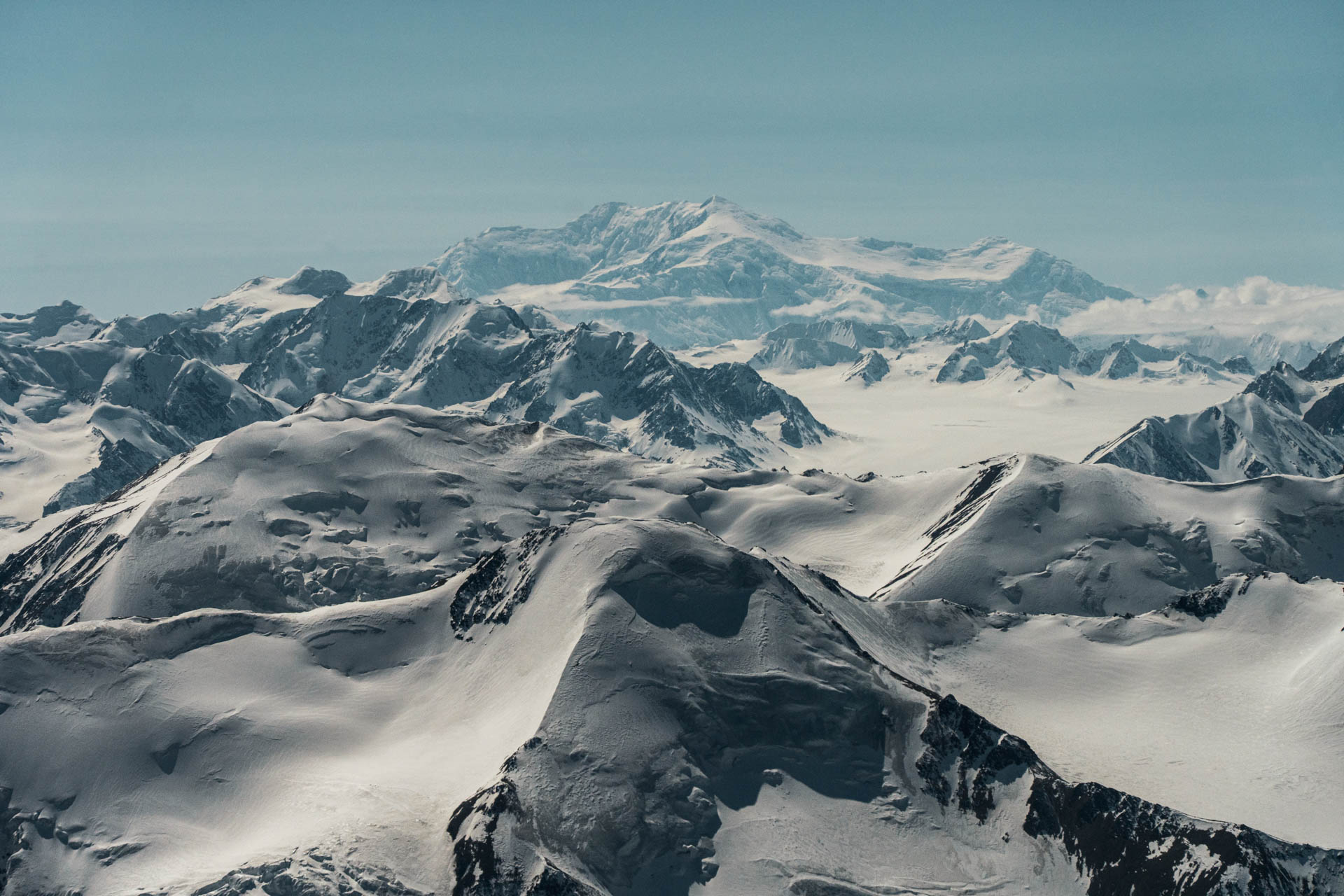
Sophie, who tackled the expedition using Millet gear, emphasizes that the cold was one of the most difficult obstacles to manage. “With such low temperatures, everything tends to freeze and break. One morning, the ice damaged a ski binding. Luckily, it continued to function well enough to allow us to continue. Without that small dose of luck, the expedition would probably have ended right then.”
An experience destined to leave its mark
“This dive in the Great North will forever remain among the most intense memories of my life and represents one of the most challenging expeditions I’ve undertaken in recent years,” concludes Sophie Lavaud. “I would like to thank Ulysse for his invaluable support, his company, and his work behind the camera, as well as David, whose experience, good humor, and in-depth knowledge of the area contributed significantly to the expedition’s success.”