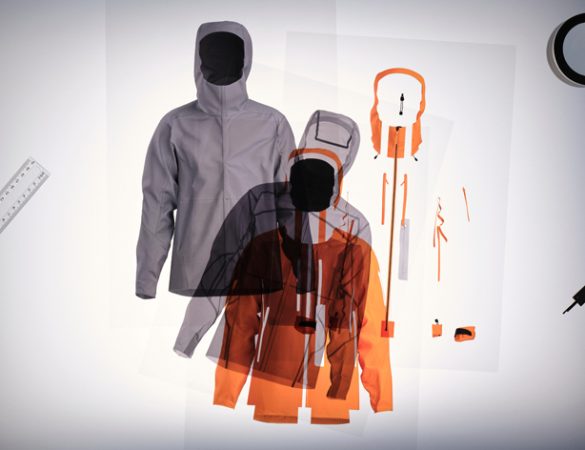






Initially developed to meet the needs of the military sector, Polartec Alpha has evolved with a new, patent-pending construction. The goal is to increase durability and expand design possibilities, while maintaining the breathability and thermoregulation performance that have made this technology a benchmark for outdoor and technical apparel.
4Outdoor is also on Whatsapp. Just click here to subscribe to the channel and stay up to date.
Polartec Alpha: the evolution of active insulation
Polartec introduces the new generation of Polartec Alpha,, an active insulation technology distinguished by an innovative structure—now further enhanced to offer greater durability and design flexibility. This new construction, for which a patent is currently pending, aims to preserve the platform’s core attributes: breathability, moisture management, and dynamic thermoregulation.
Polartec Alpha was created to address a particularly complex challenge: developing thermal insulation suitable for military personnel engaged in intense activities, which are characterized by rapid transitions between periods of high physical exertion and phases of lower activity in cold environments.
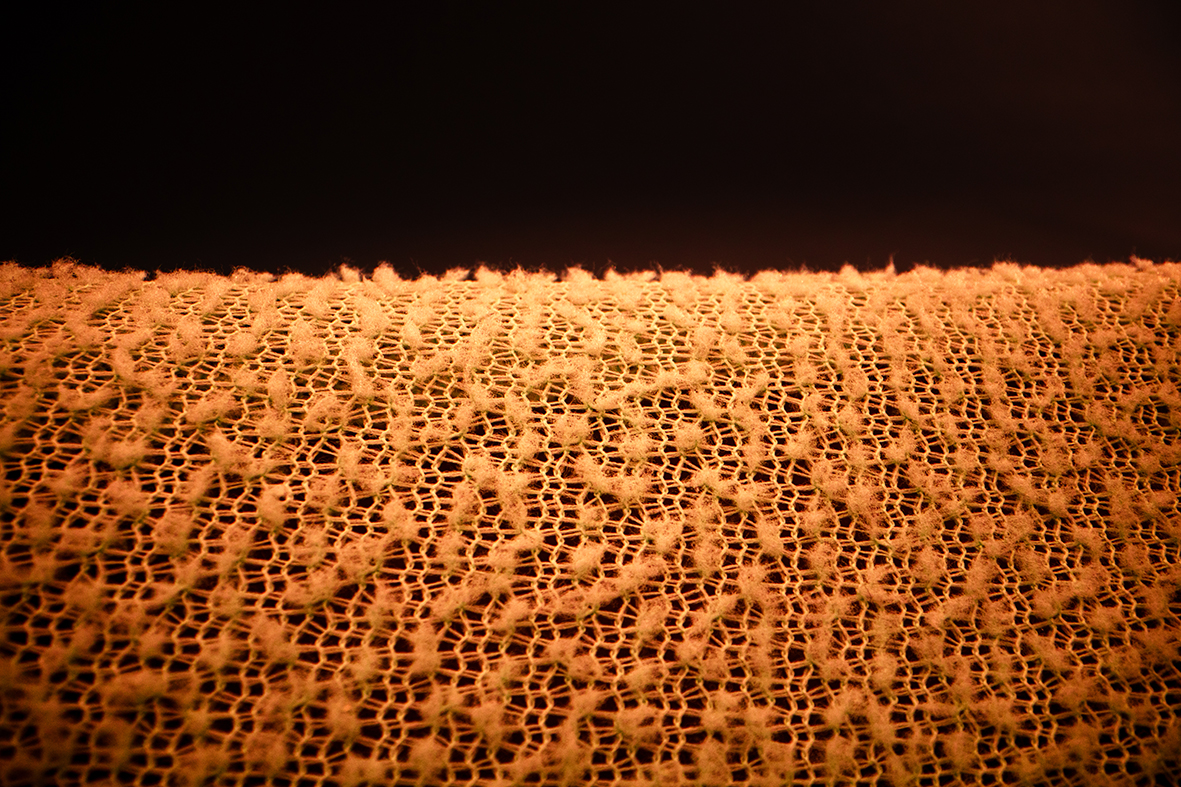
Traditional insulation offered a good level of warmth, but often limited breathability and moisture management. Alpha introduced a different approach, based on an open, highly breathable structure capable of balancing insulation with air circulation. In this way, the fabric facilitates the dissipation of excess heat and moisture, adapting to changes in physical activity and environmental conditions.
These characteristics have contributed to the adoption of Polartec Alpha within military communities and special forces internationally, giving rise to a new category of active thermal insulation.
From the military sphere to the outdoors and lifestyle
Over the following decade, the principles behind Polartec Alpha were also applied to outdoor apparel, endurance sports, and lifestyle clothing. The combination of lightness, warmth, high breathability, quick-drying properties, and compressibility transformed how designers approach the creation of garments intended for those who are constantly on the move.
With this new generation, Polartec takes a further step forward, refining the fabric’s structure without altering the principles that have driven its success.
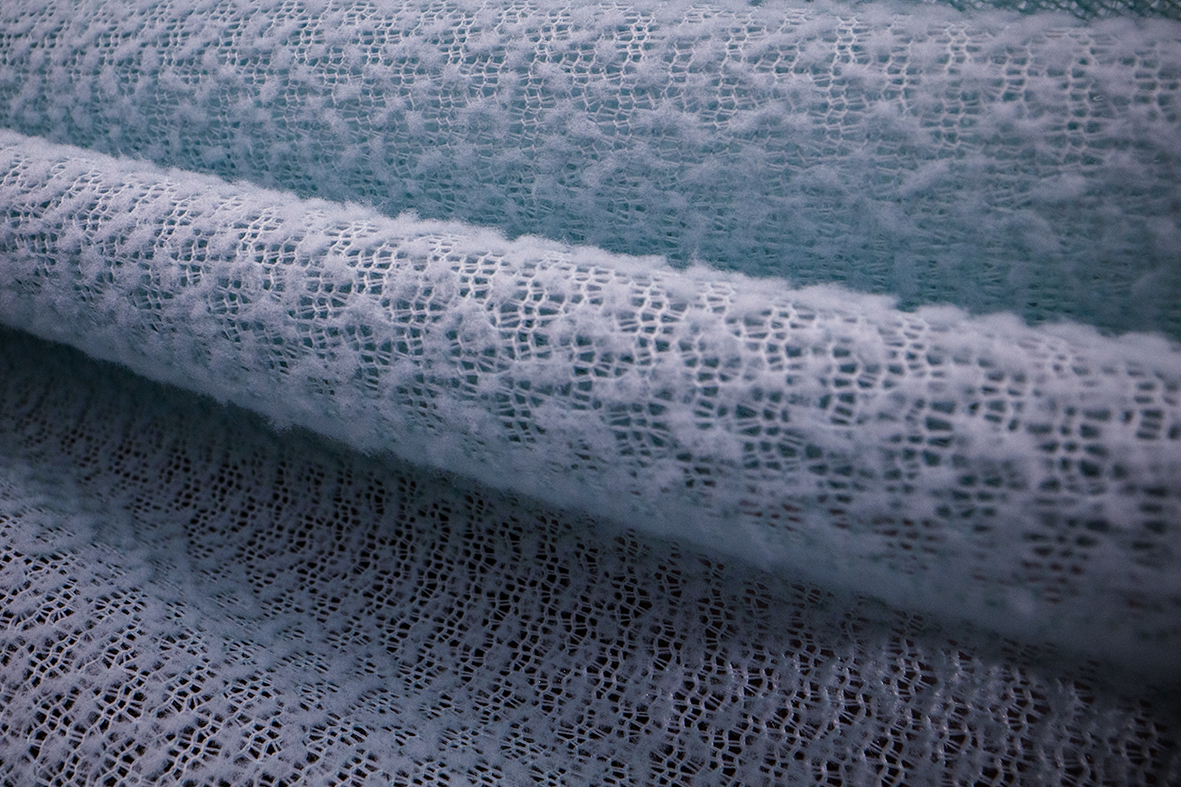
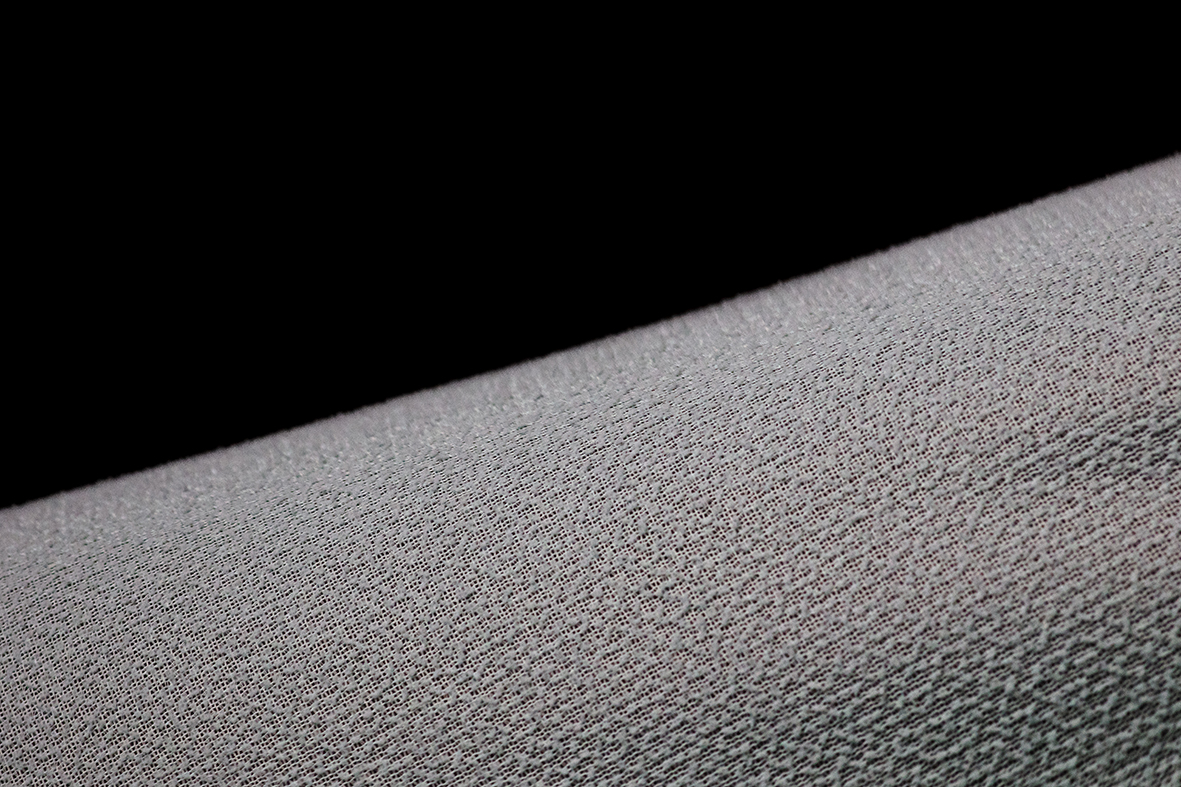
The new, patent-pending construction is designed to improve structural integrity and increase resistance to tearing and fiber loss—all while preserving the open architecture that allows Alpha to deliver breathability, lightness, warmth, compressibility, and thermoregulation.
Evolution concerns not only technical performance, but also the possibilities for use and design. Originally developed as an internal insulating layer for layered clothing systems, Polartec Alpha is now increasingly being used as an outer, visible layer—and, in some applications, even as a standalone layer.
To address these new requirements, the platform has been developed to offer a wider range of structures, weights, and textures. This allows designers to customize the aesthetic appearance, the hand of the fabric, and its performance characteristics to suit different activities, climates, and intended uses.
A new platform developed with brands
This evolution is the result of over four years of collaboration, prototyping, and testing with leading brands in the industry. The project began with a specific goal: to increase the durability and design flexibility of Polartec Alpha, while keeping the characteristics that define its performance unchanged.
The new, patent-pending design is the result of this work, creating a more robust and versatile platform without altering the technical principles underlying the original technology.
This innovation is already gaining traction in the market. In the coming weeks, more than eleven international brands will unveil garments featuring the new generation of Polartec Alpha, with applications ranging from outdoor gear and cycling apparel to high-performance clothing.
The interest shown by brands confirms the platform’s versatility and a growing focus on insulation systems capable of adapting to varying levels of physical exertion, moving beyond the traditional concept of static warmth.
Among the key players is Patagonia—a partner of Polartec since the early stages of synthetic fleece development—which will unveil an exclusive model in November featuring the new Alpha material. For the Fall/Winter 2026 season, products incorporating the latest generation of Polartec Alpha and Polartec Alpha with Wool are also set to launch, with contributions from brands such as Ornot, Purple Mountain Observatory, Senchi Designs, Farpointe, and Goldwin, alongside other international labels.
Statements from Polartec and Milliken
“The evolution of Polartec Alpha is a concrete example of what we can achieve by listening closely to our partners and observing how our technologies are used in the field,” stated Karen Beattie, Director of Product Management at Polartec.
«The challenge was to make Alpha more durable and versatile without compromising the structure responsible for its performance. The patent-pending construction allows us to preserve what users value about Alpha, while providing designers with a more robust and adaptable platform for the future.»
Ramesh Kesh, Senior Vice President for Innovation at Milliken & Company and Business Manager of Polartec, also highlighted the role of dynamic insulation in contemporary activities:
«Alpha was created to solve a complex problem: keeping a person warm without trapping the heat and moisture generated during intense physical exertion. It is a challenge that today applies just as much to the mountains, hiking trails, and even daily commutes in the city, as it does to the military sphere.»
Human performance is dynamic: intensity shifts and conditions evolve. Alpha has been designed precisely to respond to these variations. With more than eleven brands poised to launch products based on this new platform, it is clear that the market is moving beyond a concept of insulation based solely on the amount of warmth provided.
“The future lies in managing heat dynamically as people move. We aren’t changing the principle behind Alpha; we’re leveraging new textile engineering to expand its potential.”