



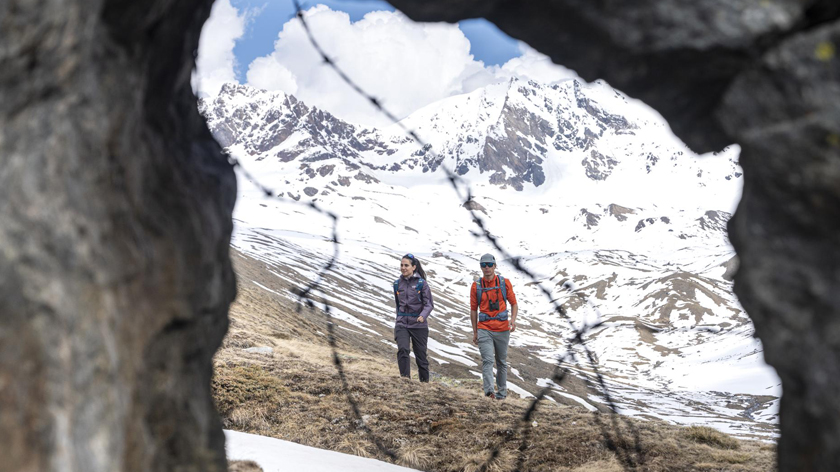
Trenches dug into the rock, military villages, and suspended walkways above 3,000 meters preserve the memory of the First World War along the Stelvio Historical Trek. A rich calendar of guided excursions allows you to explore these symbolic sites of the White War within the Stelvio National Park.
4Outdoor is also on Whatsapp. Just click here to subscribe to the channel and stay up to date.
Visiting Stelvio National Park, in the Bormio area, also means choosing a different way to experience the mountains: not just through the famous Stelvio hairpin bends or the ski slopes, but by walking along trails that tell a crucial story of Alpine history. The Stelvio Historical Treks extend above 3,000 meters above sea level, crossing the places where, over a century ago, the First World War was fought in extreme conditions of snow, ice, and prohibitive altitudes, the scene of the famous White War.
The trenches dug into the rock, the remains of military villages, artillery emplacements, and ancient walkways, brought to light thanks to the Park’s restoration work, now allow visitors to immerse themselves in this historical heritage. Three itineraries, suitable for varying levels of fitness, accompany both leisurely walkers and more experienced hikers along trails where nature and memory merge in a unique experience.
Le Buse: the military village hidden in the mountains
The most accessible route starts from the hairpin bend above the Seconda Cantoniera dello Stelvio and follows an easy trail into the Valle dei Vitelli. The route is approximately 5.8 kilometers long, with a 436-meter elevation gain, and takes about 2 hours and 40 minutes to complete, reaching the military village of Le Buse.
Here there are 17 buildings arranged in a semicircle, artillery emplacements carved into the rock and a dense network of trenches that bear witness to the life of the soldiers engaged on the high-altitude front. The site was restored by the Stelvio National Park, restoring historical value to one of the most significant places of the White War.
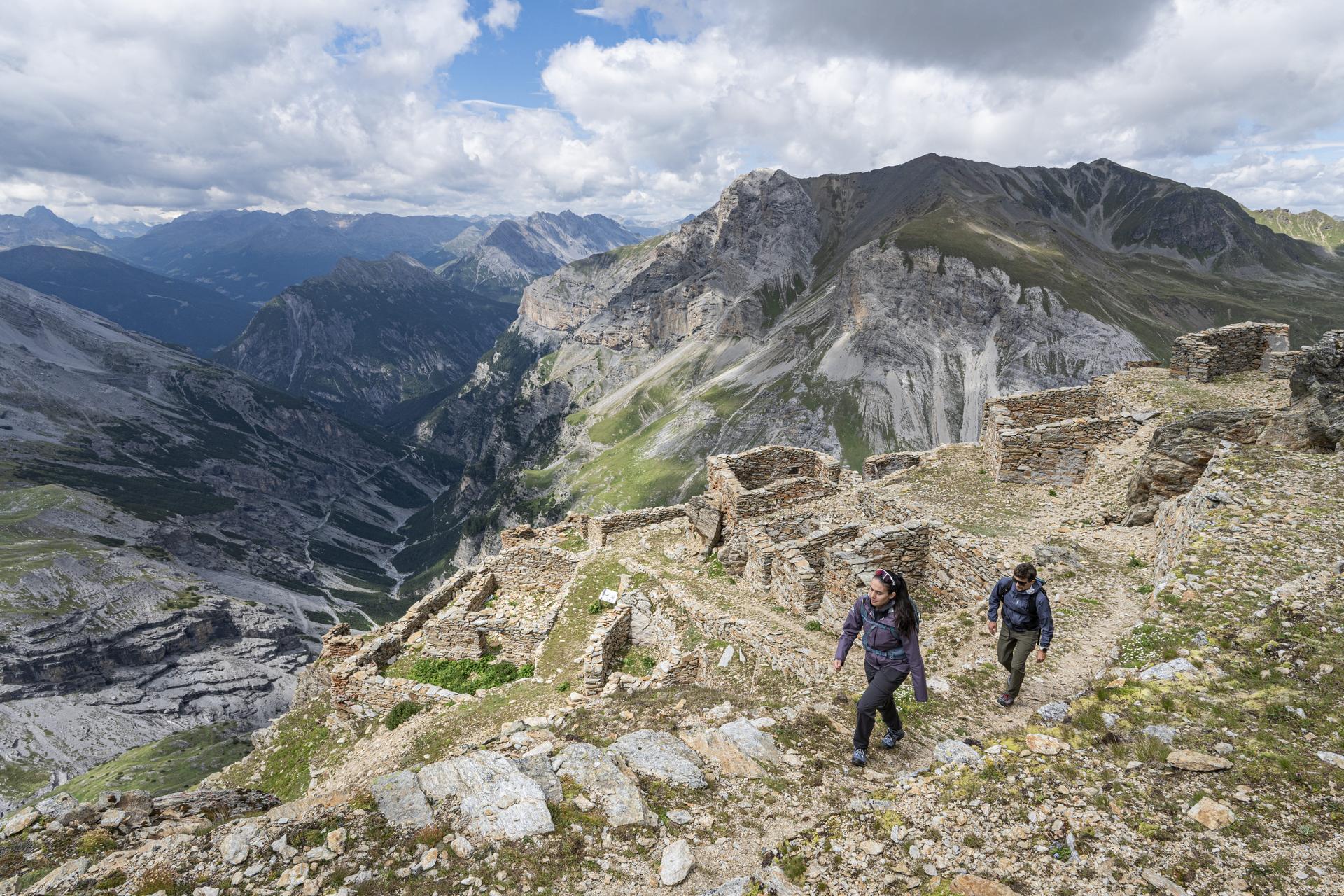
Nature and history along the way
The hike crosses alpine pastures rich in flowers, the natural habitat of marmots, chamois, and ibex, with the chance to observe the majestic bearded vulture in flight. It’s an ideal route for families and less experienced hikers, where the charm of history blends with the beauty of the alpine environment.
For those who wish to continue, the crossing from Buse to Fortini Alti, along the historic military mule track to the Prima Cantoniera, offers even more spectacular views.
Filon dei Mot and Monte Scorluzzo: On the Ridges of the White War
More experienced hikers can tackle the trail that leads to Filon dei Mot and the summit of Monte Scorluzzo, reaching an altitude of 3,092 meters.
The route is approximately 8 kilometers long, with 797 meters of elevation gain, requiring an average of 3 hours and 30 minutes of walking. Along the way, you’ll encounter an old military settlement, an Italian observatory, still-visible fences, and numerous front-line positions that dominated the Stelvio Pass.
The trail also passes through the evocative landscape of the Platigliole Pass, where trenches still emerge from the rocks. This route is part of six thematic itineraries developed as part of the project promoted by the Lombardy Region, ERSAF, and the Museo della Guerra Bianca, dedicated to highlighting the Italian-Austrian front fought between 1915 and 1918.
Piz Umbrail and Forcola di Rims: an itinerary for experienced hikers
For those seeking a more challenging experience, the Piz Umbrail and Forcola di Rims loop represents one of the most fascinating itineraries of the Stelvio Historical Trek.
The route is approximately 11 kilometers long, with 700 meters of elevation gain, and requires between 4 and 4.5 hours of walking to reach the 3,031-meter summit of Piz Umbrail, an extraordinary panoramic point between Italy and Switzerland overlooking the Ortles-Cevedale mountain range.
Trenches, fortifications and equipped passages
The hike alternates between high-altitude pastures, fortifications from the Great War, short sections equipped with chains, and a complex system of trenches and walkways that lead to the remains of a military barracks on the opposite slope.
This is an itinerary reserved for expert hikers, requiring adequate physical preparation, favorable weather conditions, and the right equipment, preferably accompanied by the Bormio Alpine Guides.
Summer 2026: Guided excursions schedule
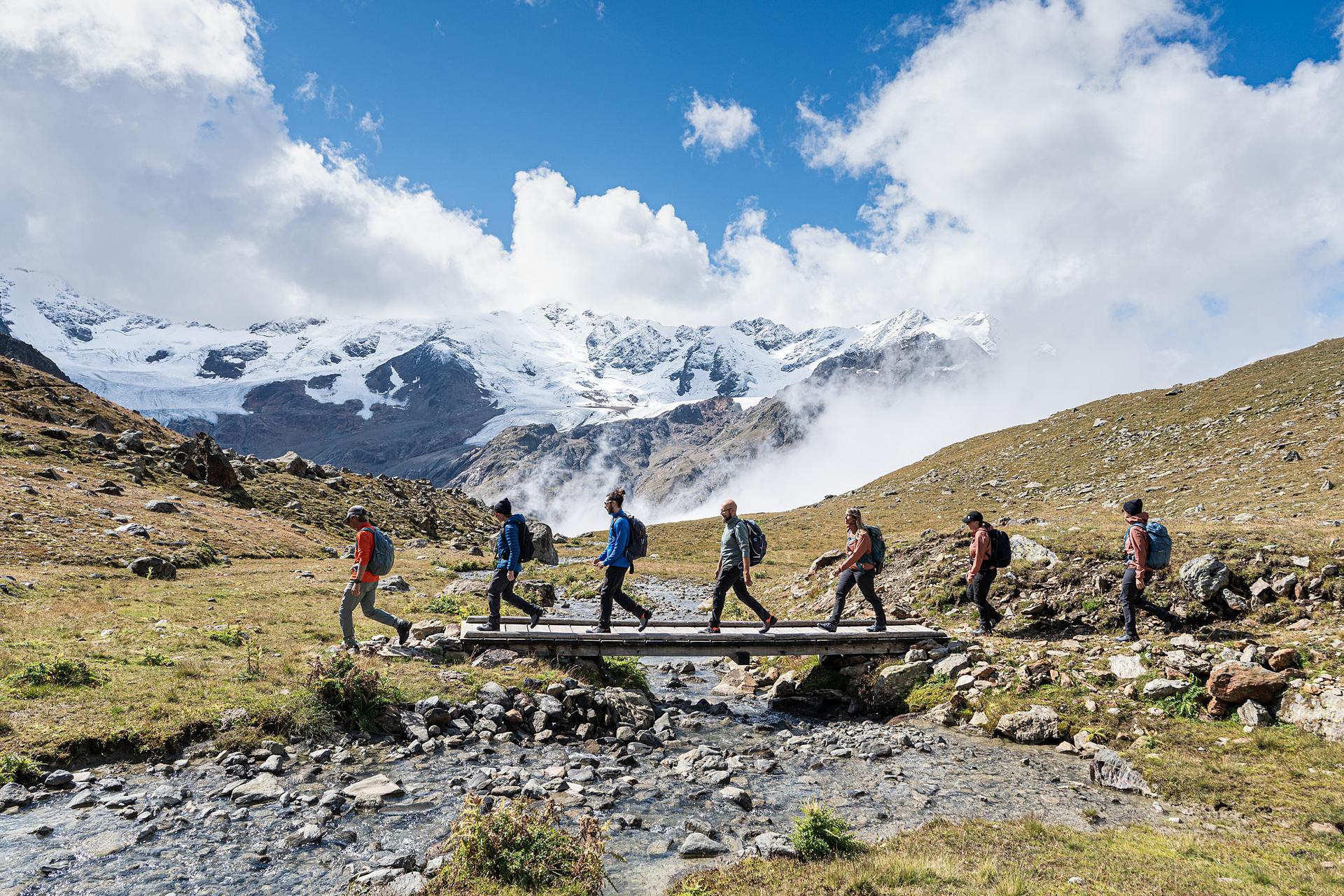
Throughout the summer, it is possible to visit these places accompanied by specialized guides thanks to a rich program of excursions.
The Stelvio National Park is organizing four events open to all:
- July 21 – Forcola Pass: On the Trail of the Great War and the Stelvio Pass
- August 4 – Monte Ortles Ski Battalion Bivouac: a high-altitude First World War shelter
- August 18 – Gavia Pass – Mount Gaviola
- 1 September – Le Buse: in the limestone silence of memory and wild life
For information and reservations, please contact the Stelvio National Park information point (0342 900823) or Bormio Tourism (0342 903300).
The Bormio Alpine Guides, supported by a historian, offer three special excursions:
- 26 July – Monte Scale
- 8 August – Cime dei Forni
- August 22 – Monte Scorluzzo and Filon dei Mot, also known as the “Machu Picchu of the Alps”
To participate, write to info@guidebormio.com or call 351 8895411.
The “Thursday Treks – Walking Through History” are back in Santa Caterina Valfurva, scheduled every Thursday from July to September 3. The hikes, accessible by cable car, take place with Medium Mountain Guides along the trails of the Alpe and Sobretta Valleys, offering a further opportunity to discover the history of the White War while immersed in the spectacular landscapes of the Stelvio National Park.