



The train holds a unique fascination for human beings, even from childhood. It’s not just a means of transportation; it’s a suspended place where time seems to slow down. It almost seems like a metaphor for life: you get on, you cross the world, you have encounters that last a minute or a lifetime, and then you get off.
4Outdoor is also on Whatsapp. Just click here to subscribe to the channel and stay up to date.
In those carriages, in that space comprised of a seat, a table, and a window, we feel as if we’re inside a small room, while outside the landscape passes by, constantly changing: cities, hills, rivers, mountains. The gentle swaying, the rhythmic noise, the steady speed—everything helps us relax and focus our attention on the panorama unfolding before us. In an age when our lives seem to flow at an uncontrolled pace, train travel brings us back to a more pleasant dimension, one of sharing, contemplation, and emotion. And we’ve experienced so many emotions on this journey, astride the Rhaetian Railway and the little red Albula train, through the Swiss Alps.
Four days in the Swiss Alps: the Albula Railway, hiking, and nature.
Our spring trip begins with a Eurocity train from Milan to Bellinzona, with a trekking backpack on our shoulders and the curiosity to discover new places and new mountains.
Italians identify Switzerland as a country of efficiency, punctuality, natural landscapes, order, and cleanliness. These are stereotypes, yet every time you cross the border, your expectations are met: Lake Lugano glides in its intense blue past the windows of our train, and we reach Bellinzona right on time. From there, the journey continues by bus to Thusis, crossing another place that has always been dear to me: the Hinterrhein Valley, where Splügen is located. The road winds between the river, rocky gorges, meadows, and forests, and time passes without us even noticing.
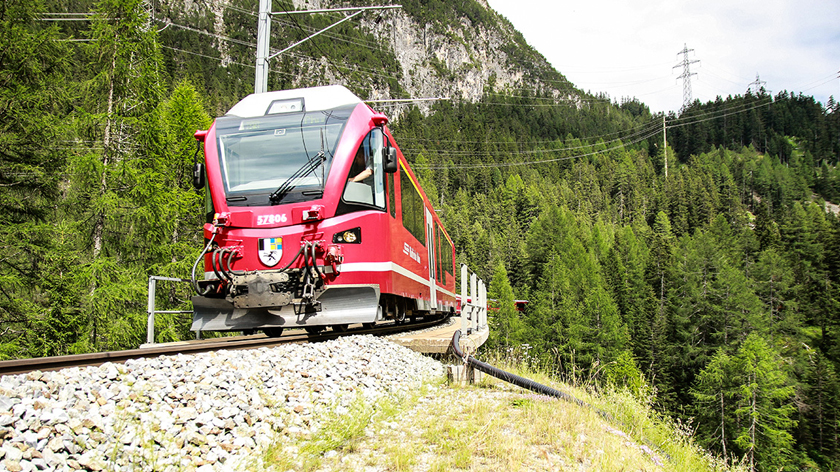
After a 50-minute stop at Thusis station, our first little red train arrived right on time.
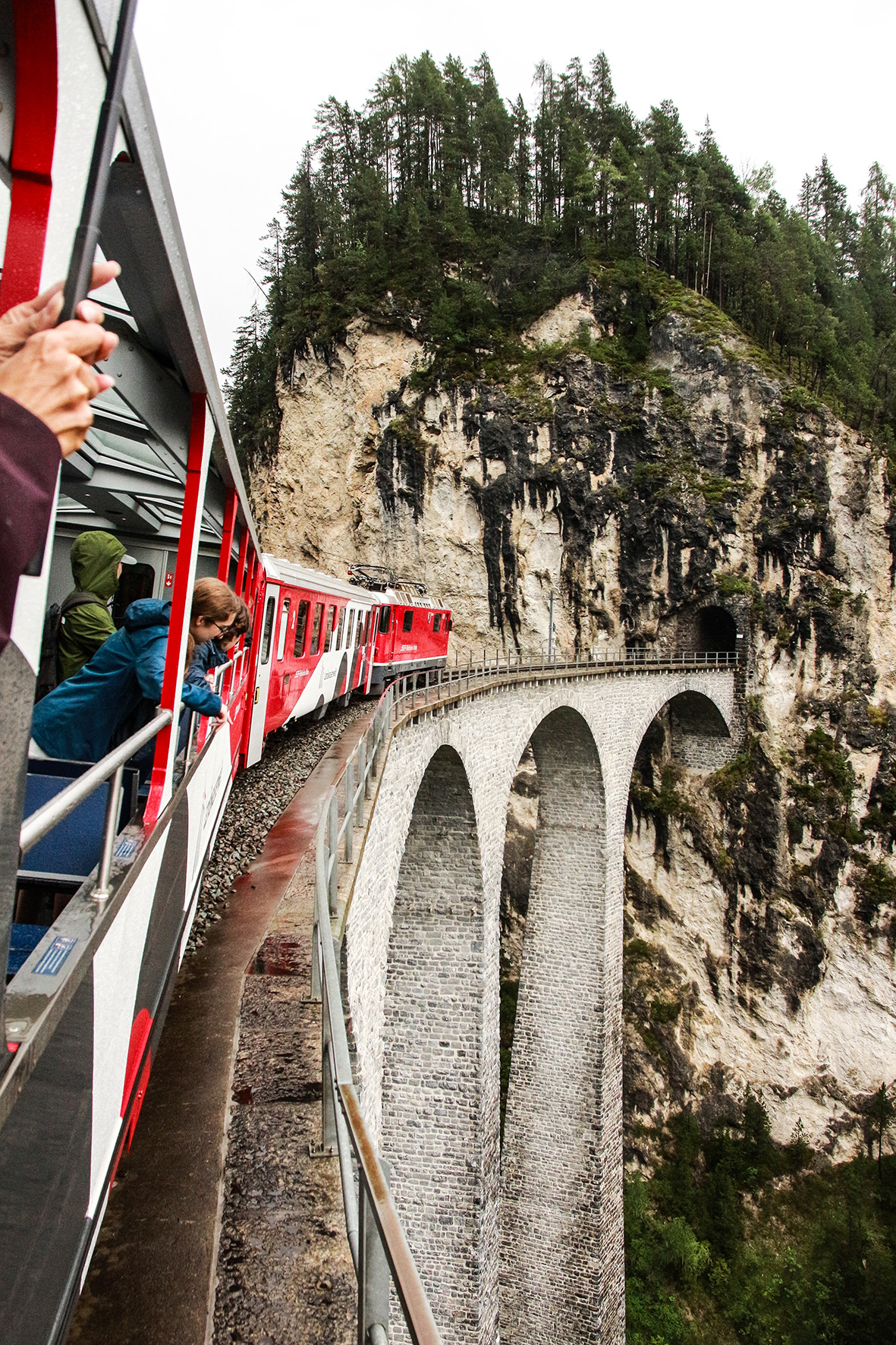
On board the Albula Red Train: the journey begins
The train is a historic means of transport and yet, in cases like this, extremely current, because, if it’s true that these days nothing is interesting if it’s not Instagrammable, well, here you’ll just fill up your phone’s memory with all the photos and videos you want to take.
Forty minutes and we are in Bergün, a village of 480 inhabitants in the Albula region.
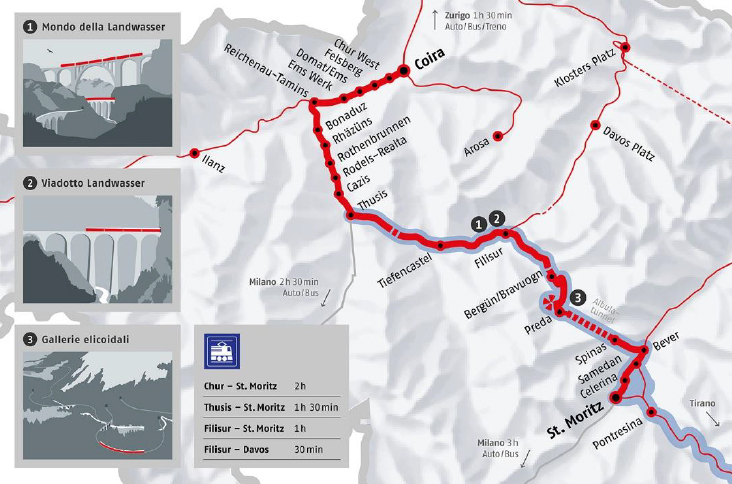
Albula is also the name of the red train we just rode on and will be riding in the next few days, which connects St. Moritz to Chur, the oldest city in Switzerland and the capital of the Canton of Graubünden.
We Italians often mistakenly associate the little red train with the Bernina Express, but we ignore that the Swiss rail network is much more extensive. All the trains crossing the Graubünden Alps share the distinctive red livery, and include regional trains, the Bernina Express (Chur – St. Moritz – Tirano, and therefore the Albula & Bernina routes), and the Glacier Express (St. Moritz – Zermatt).
The Albula railway line, like the Bernina line, is a UNESCO World Heritage Site, so every trip, trek, or stay between Thusis and Tirano becomes a journey through time, exploring architectural engineering, nature, and history.
Bergün Filisur, as we mentioned, is a small village just over 1,300 meters above sea level, surrounded by meadows and nestled between peaks. Life here seems slow and peaceful, with an economy based on summer tourism, linked to hiking and the railway, and winter tourism, which takes advantage of a few ski lifts and slopes, as well as the exciting toboggan run, which is none other than the road connecting to the village of Preda (higher up), which is closed to traffic in winter due to snow.
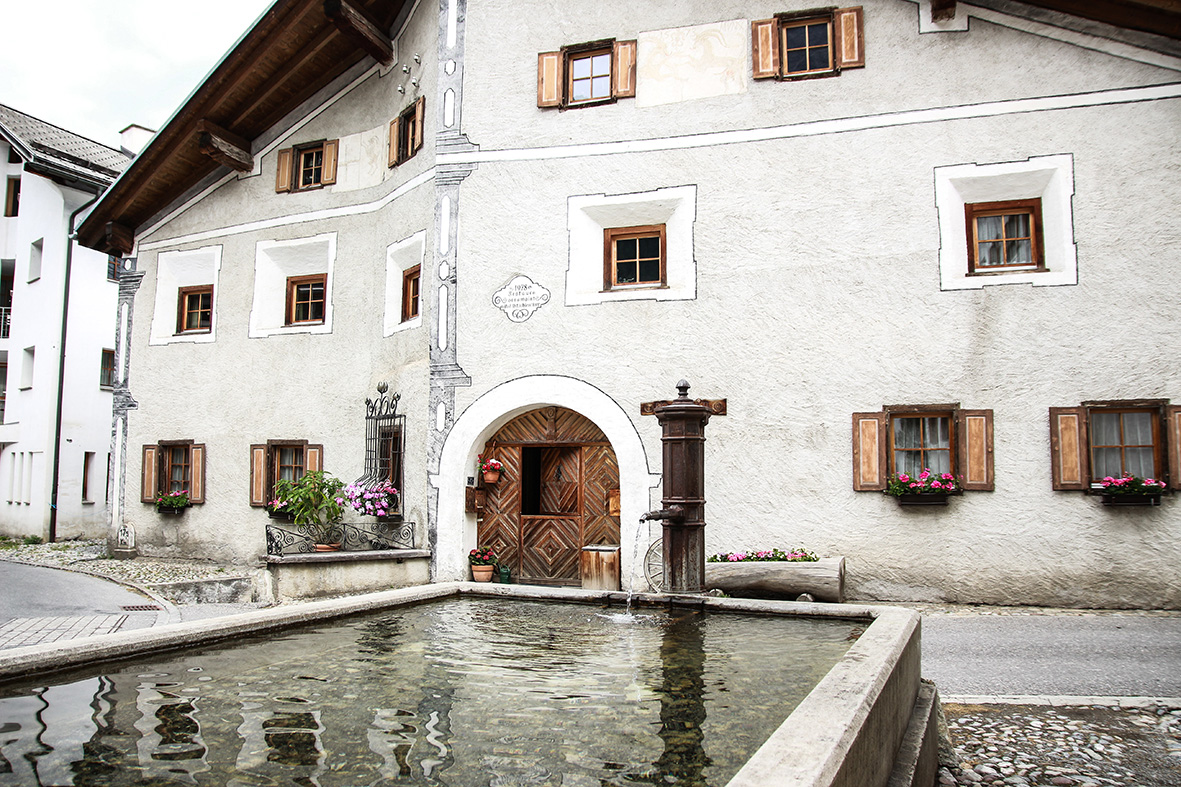
We wander along the village’s main street, where the ancient medieval houses are finely decorated, looking for the place where we will stay tonight.
The Kurhaus Hotel is a piece of history, an authentic Art Nouveau building, nestled on a small hill and overlooking a small lake.
Elegant halls, original period furniture and spaces. One cannot help but think of all the travelers who have enjoyed staying here over the decades.
Hiking along the Albula Railway between viaducts and UNESCO panoramas
The morning of travel has activated our minds, now it’s time to move our legs a bit.
We return to the station to take the Albula train and reach the village of Preda above. The big red snake climbs up dozens of hairpin bends, viaducts and a spectacular helical tunnel, one of the attractions of this railway route.
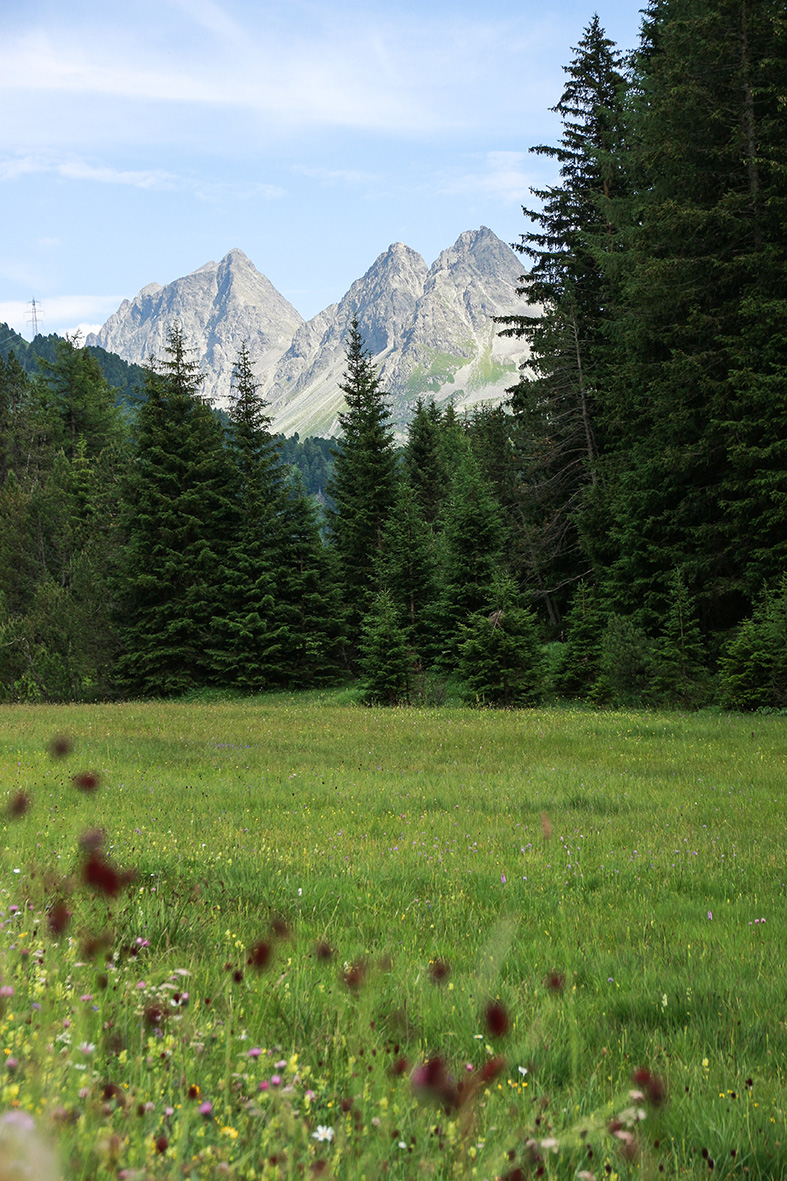
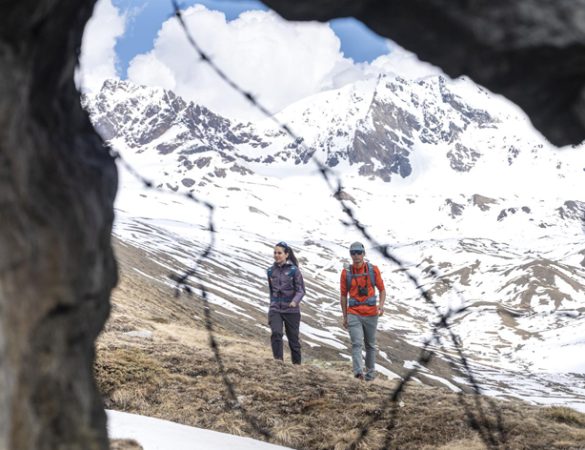
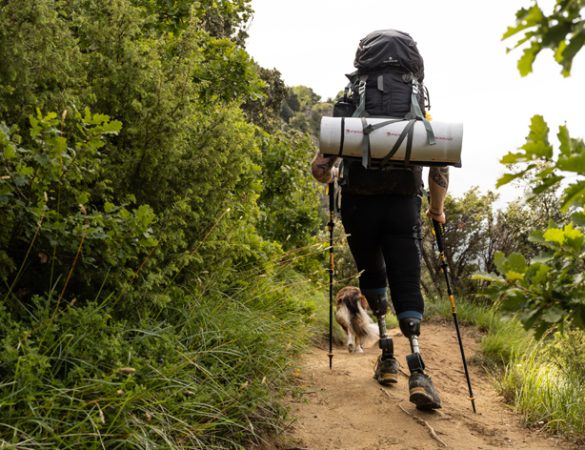
Then, backpack on, poles on, and off we go. I don’t know, the greenery seems greener, the flowers seem more colorful, the grazing cows seem so happy. Is it possible that in Switzerland nature always seems so authentic?
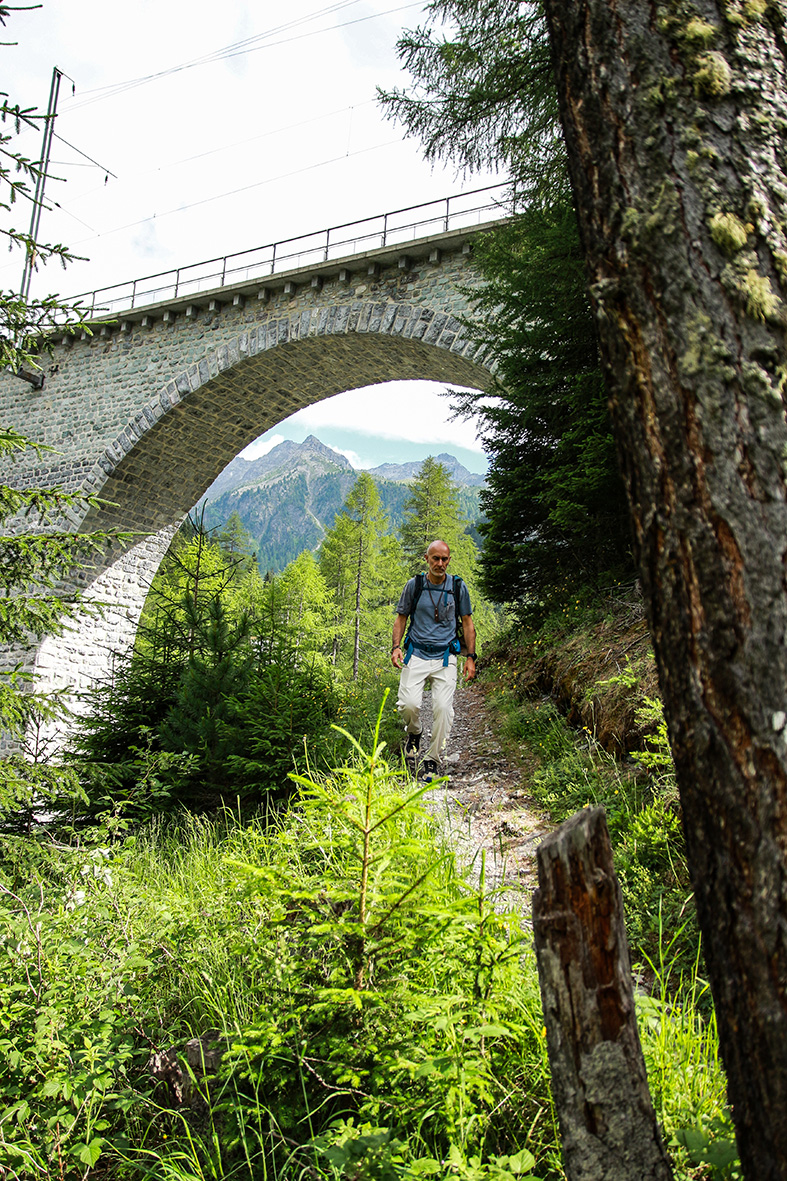
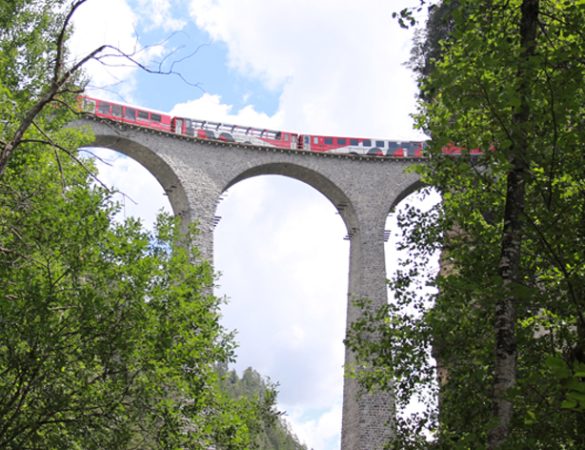
The trail unfolds through meadows and a larch forest, when suddenly the rumble of the train awakens us from our thoughts: in front of us looms a towering stone viaduct, and just as I grab my camera, ready to snap away, the locomotive emerges from the tunnel. Got it!
Some might think that a railway network in the mountains would disrupt the balance with nature, but on the contrary, here we find the perfect integration between human needs, connecting villages and towns with an infrastructure useful for moving people and goods, and a way of doing so as sustainably as possible, while also creating an attraction for tourism.
The hike continues until almost sunset, just in time to enjoy the Kurhaus spa and its delicious dinner.
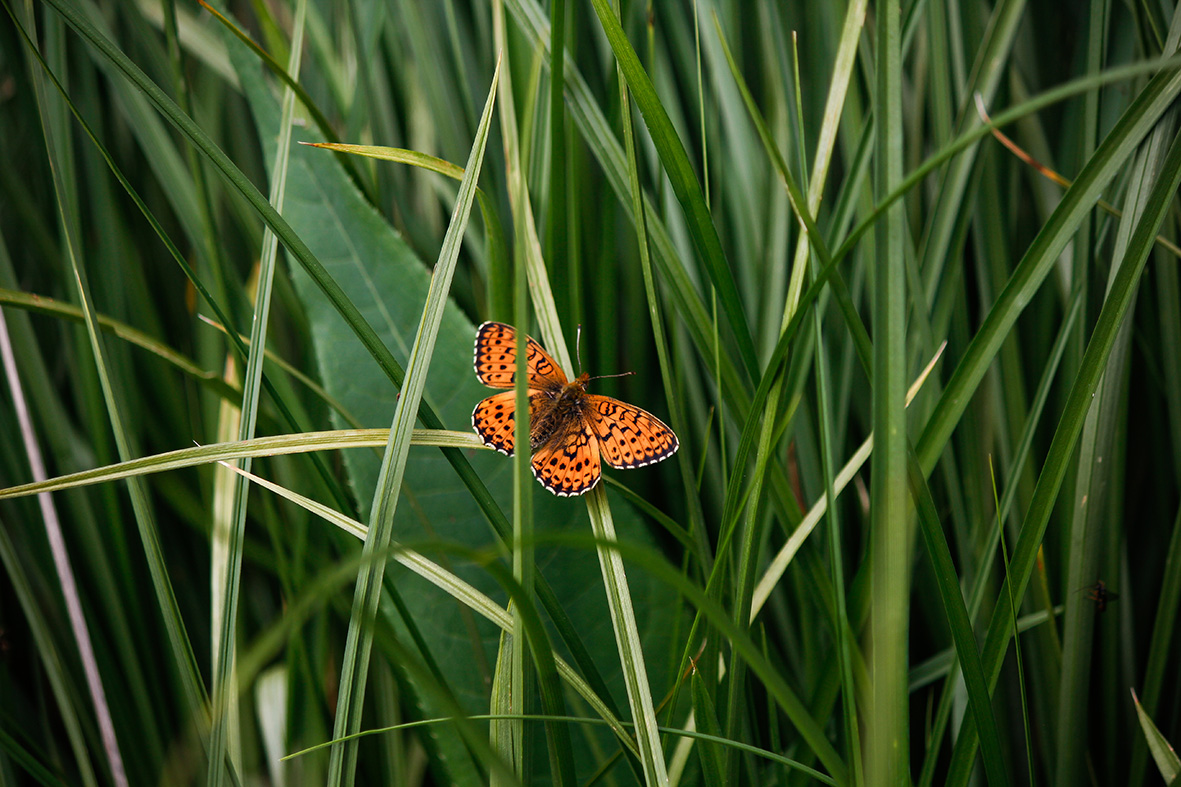
The Albula Railway Museum and the most spectacular viaducts of the Rhaetian Railway
The sun doesn’t always shine here either, on the morning of the second day we woke up wrapped in clouds and under a downpour of rain.
No problem, we stay up late in bed planning our trips and then, after a pizza, head to the Bahnmuseum Albula.
Maybe it’s different for kids today, but I belong to a generation where kids literally went crazy in front of a model railway.
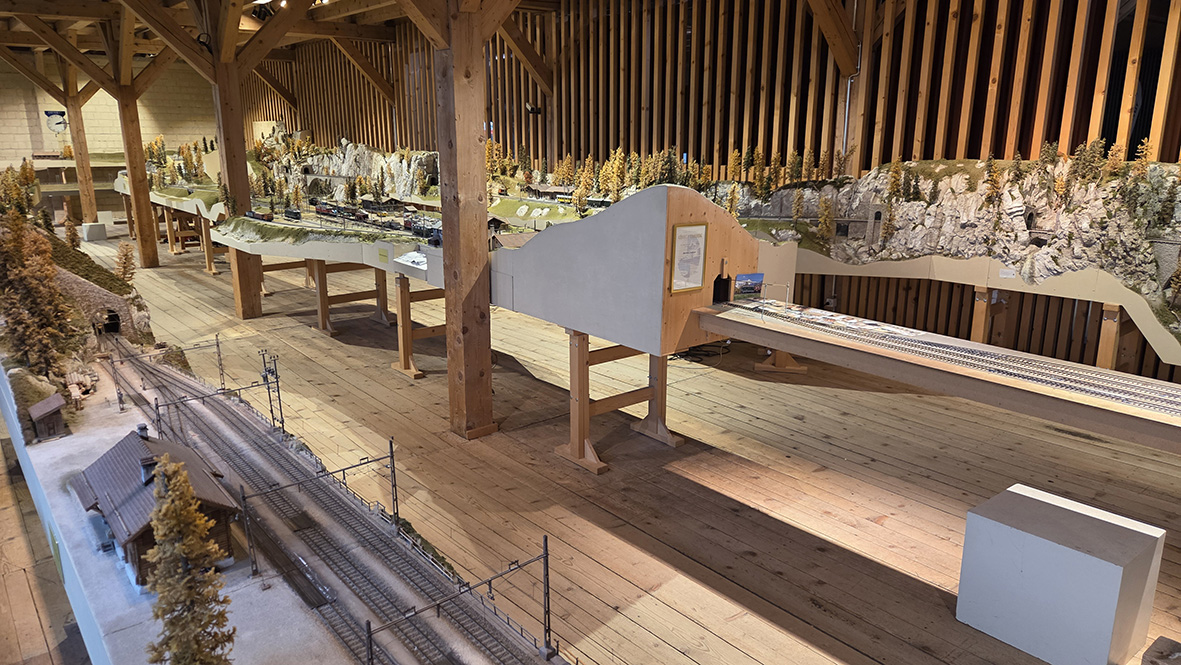
Here at the museum, there’s a 1:45 scale reproduction of the stretch of the Rhaetian Railway between Bergün and Preda, built by Bernhard Tarnutzer, as it was in the 1950s and 1960s. A true marvel, but not only that: in addition to a section dedicated to the UNESCO heritage and its profound significance, the museum hosts recreational areas for children and, above all, educational areas that recount the history of the railway. Here, the story of the Swiss Alpine railway network is told, from conception to completion, including the evolution of construction techniques for building tunnels and viaducts, the ability to control and use electricity to operate trains instead of fossil fuels, and the insight into the potential for creating an infrastructure beneficial to the transportation and tourism industries.
After more than an hour at the museum, at 2:16 PM we hop on the Viaduct Shuttle, bound for Thusis. The ride, however, only lasts a couple of minutes: just enough time to admire the scenery from the window, and we’re ready to get off at the Schmitten GR stop.
Wait a minute, what are we doing in the middle of the woods, isn’t there a village here?!
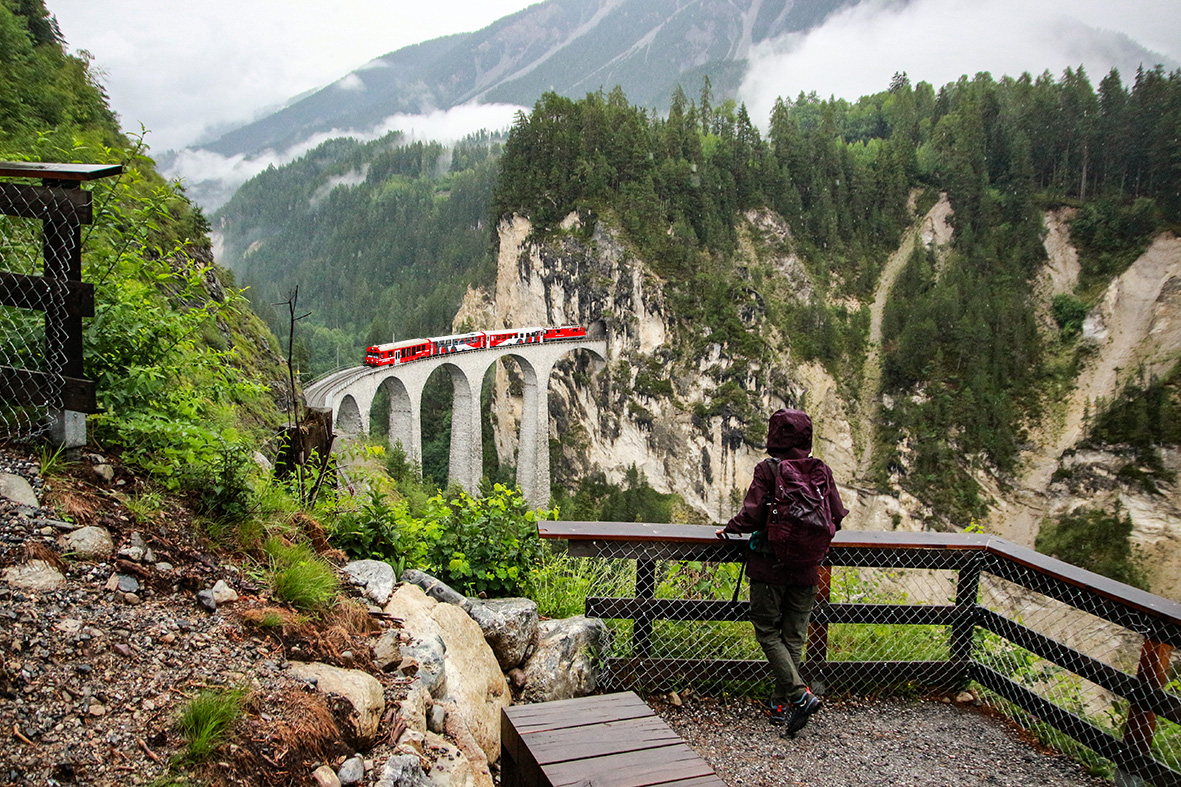
Don’t worry, Schmitten GR is a stop created specifically to admire one of the most beautiful viaducts on this railway line. A few minutes of hiking on a well-marked path will take you to the Hennings terraces (dedicated to the chief engineer Friedrich Hennings who also worked on the construction of the Albula tunnel, editor’s note).
Here, everything is well organized to enjoy the incredible panorama, the peaks and the valley below, but above all, there it is, the incredible stone viaduct, from whose access tunnel, precise as clockwork, the little red train emerges. We are all with cameras and phones in hand, immortalizing the scene. How thrilling to see what man has been capable of achieving. On the way back to the departure station, we enjoy the viaduct from the open carriage of the train, while a few drops of rain cool the thrill of traveling as if suspended in the void.
On the Albula Historic Train: A Journey Through the History of the Rhaetian Railway
Construction of the Albula railway began at the end of the 19th century at the initiative of the canton of Graubünden, and by 1920 a large part of the railway line was being powered by electricity, replacing coal.
But what must the trains have been like back then, and what kind of feeling would it have been to travel on them? We find out today when, after collecting our luggage from the Filisur station depot, we board the historic train to Davos.
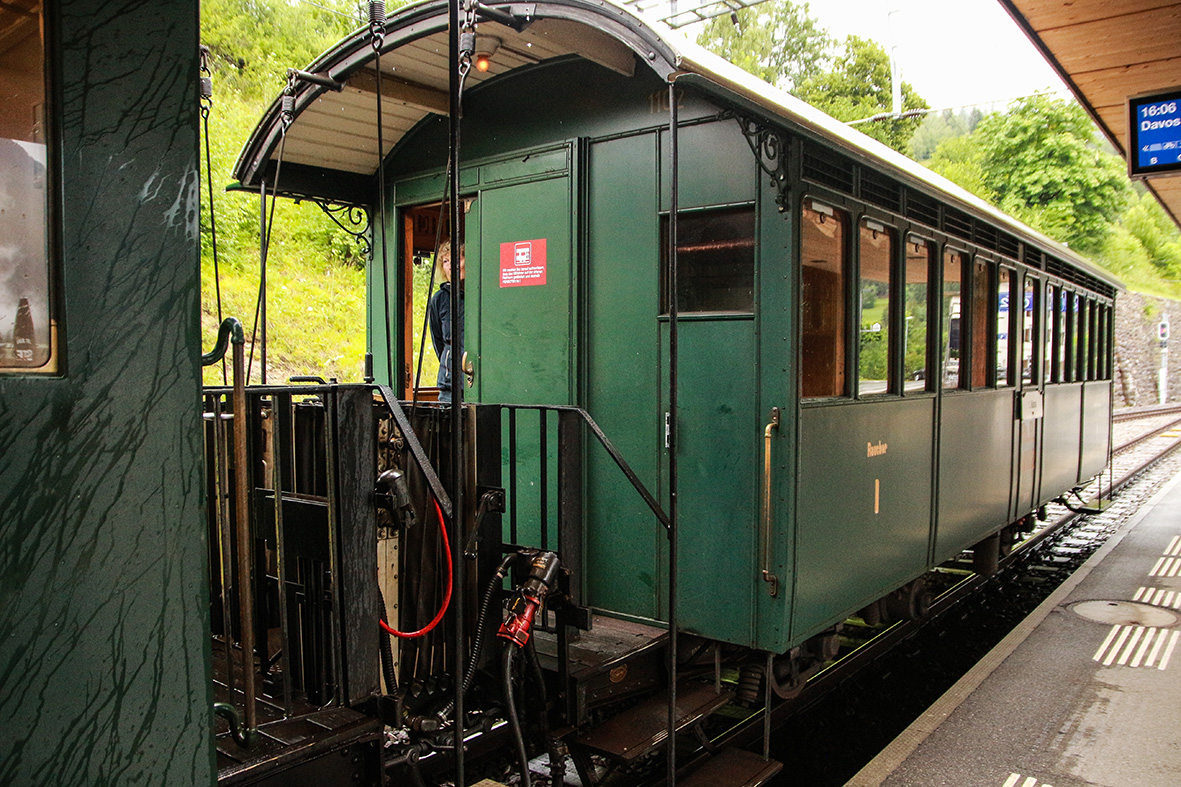
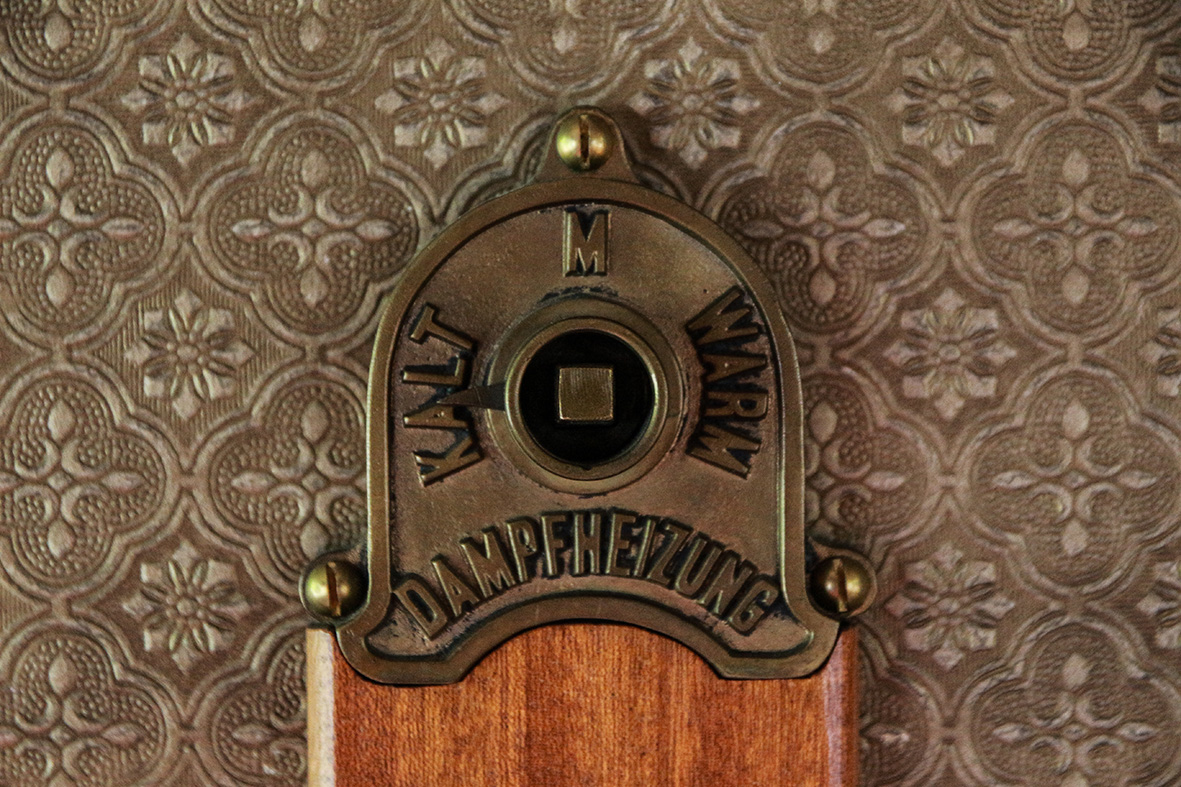
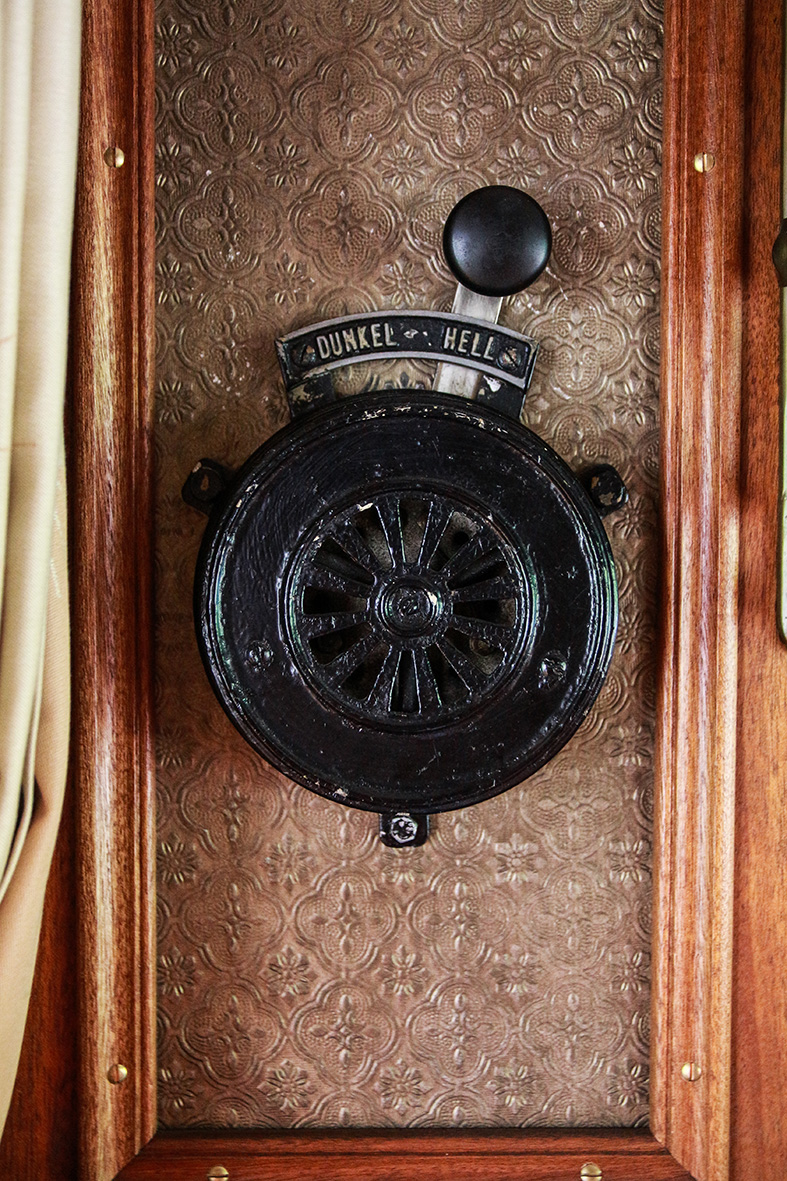
The first class of our carriage is all wood and damask velvet and we feel a bit like in those films about the Orient Express when, after the conductor’s whistle, the carriage begins to rattle towards its new destination.
The 40-minute journey is a unique experience, and once again we’re all focused on capturing the spectacular views over the Zügen Gorge and the Wiesen Viaduct, marked by the driver with appropriate slowdowns. The carriages climb through rugged mountains alternating between peaks and gorges, and at several points we slow to a crawl to pass through the extremely narrow tunnels carved into the rock. Then the landscape opens up to the alpine pastures surrounding Davos Klosters, and a vibrant atmosphere and plenty of sport await us.