




Story and Photos: Giacomo Veduti
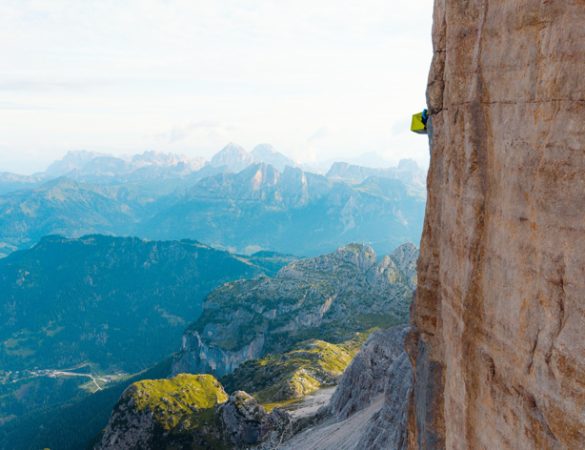
There are many different facets of climbing, depending on the methods, locations, and climbing rules: cliffs, multi-pitch routes, bouldering, gyms, indoor and outdoor, to name just a few. To this list I would add climbing in the Dolomites, which in my opinion is a world apart.
4Outdoor is also on Whatsapp. Just click here to subscribe to the channel and stay up to date.
Climbing the classic routes of the Dolomites
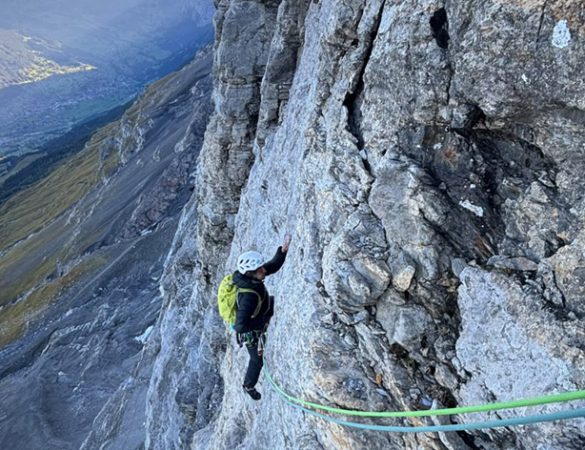
Here, too, it’s important to make distinctions because not all Dolomite climbs are the same. I’m referring primarily to the classic routes established on these mountains up until the 1950s, routes that aren’t extremely difficult in terms of grade, but which are true adventures. Sometimes they’re challenging due to their length, which includes approaches and descents, or because finding the right route isn’t easy. Or perhaps because of the amount and type of protection on the wall, which often requires dexterity and experience using tools other than the classic quickdraws used at the crag.
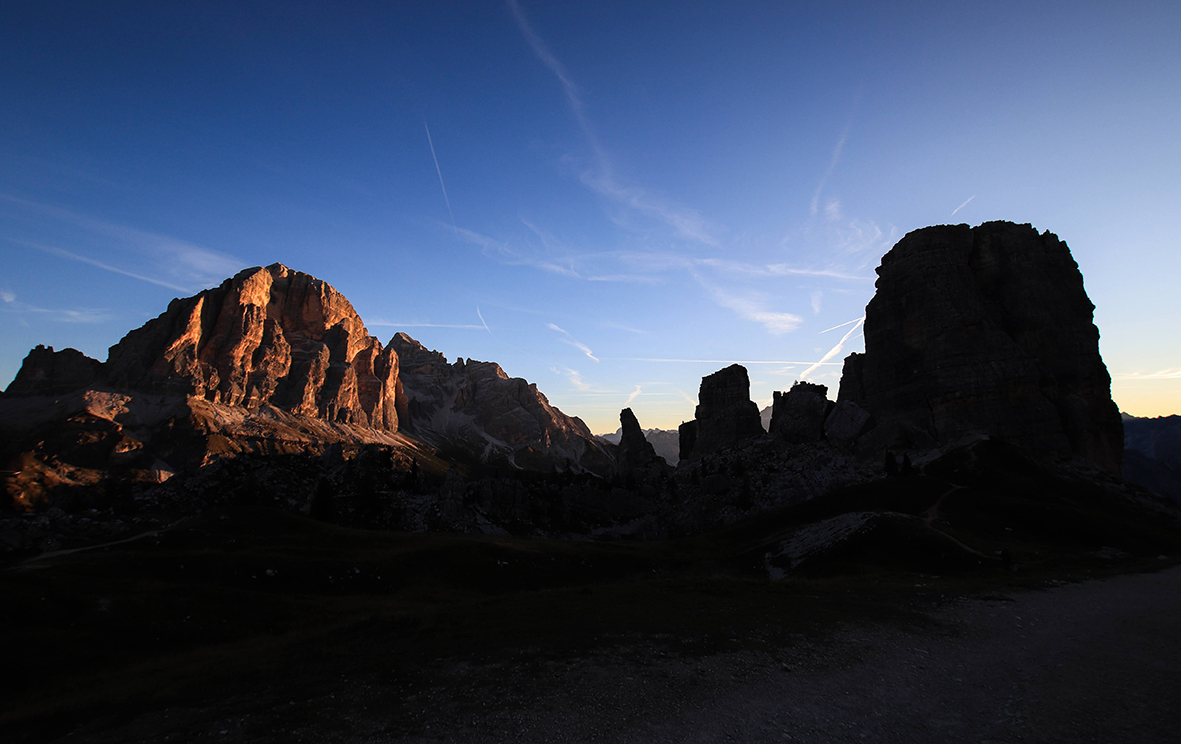
Cinque Torri: A First Approach to the Dolomite Rock
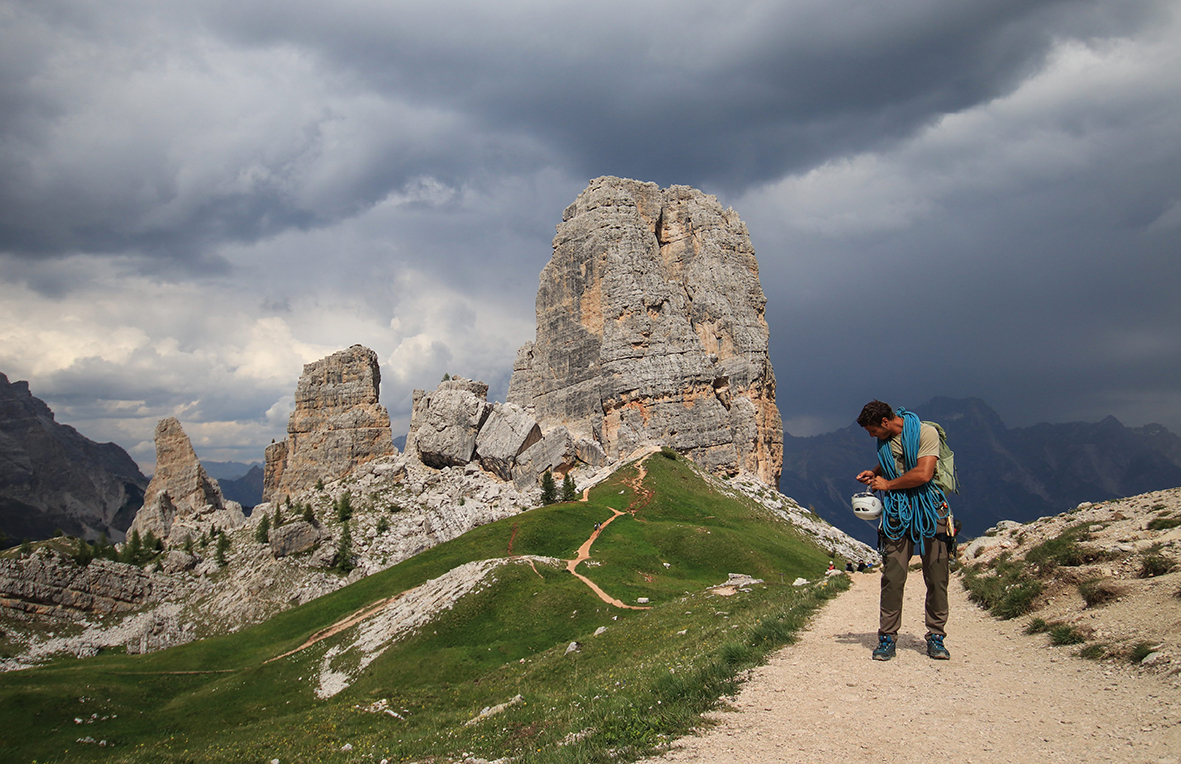
But the Dolomites aren’t all about classic routes; you can climb on a wide variety of routes, even just a stone’s throw from each other. The Cinque Torri are a fantastic place to get used to the Dolomite rock and climb short but highly rewarding routes. We chose to start here, among the limestone spires that rise on a plateau above the Falzarego Pass.
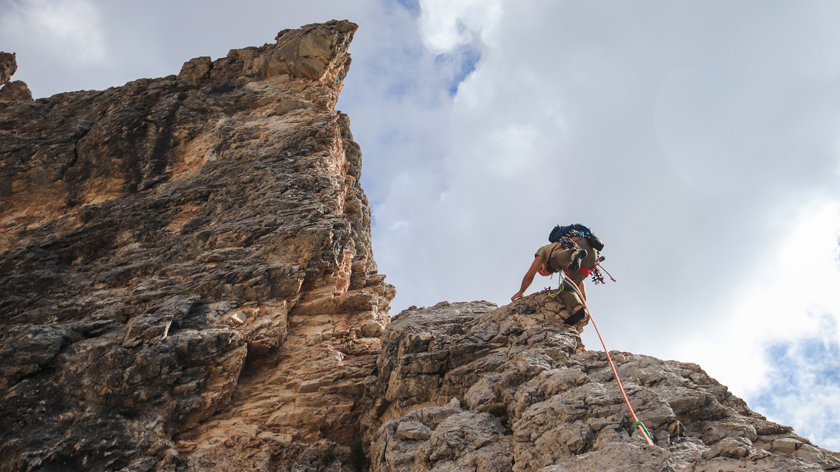
The first climb is on the Torre Inglese: a very scenic tower due to its sharp shape that requires only two pitches to reach the top. A little further on, we decide to climb a grade V route protected entirely with bolts. Five pitches to the top of the Torre del Barancio, from which a beautiful 50-meter rappel allows you to return to the base. Here, in a mountain environment, we have to take into account an element that in other contexts isn’t so important: the weather. A thunderstorm at a crag can be harmless if the car is five minutes away, but when you’re on a wall hundreds of meters above the ground, rain could be a problem.
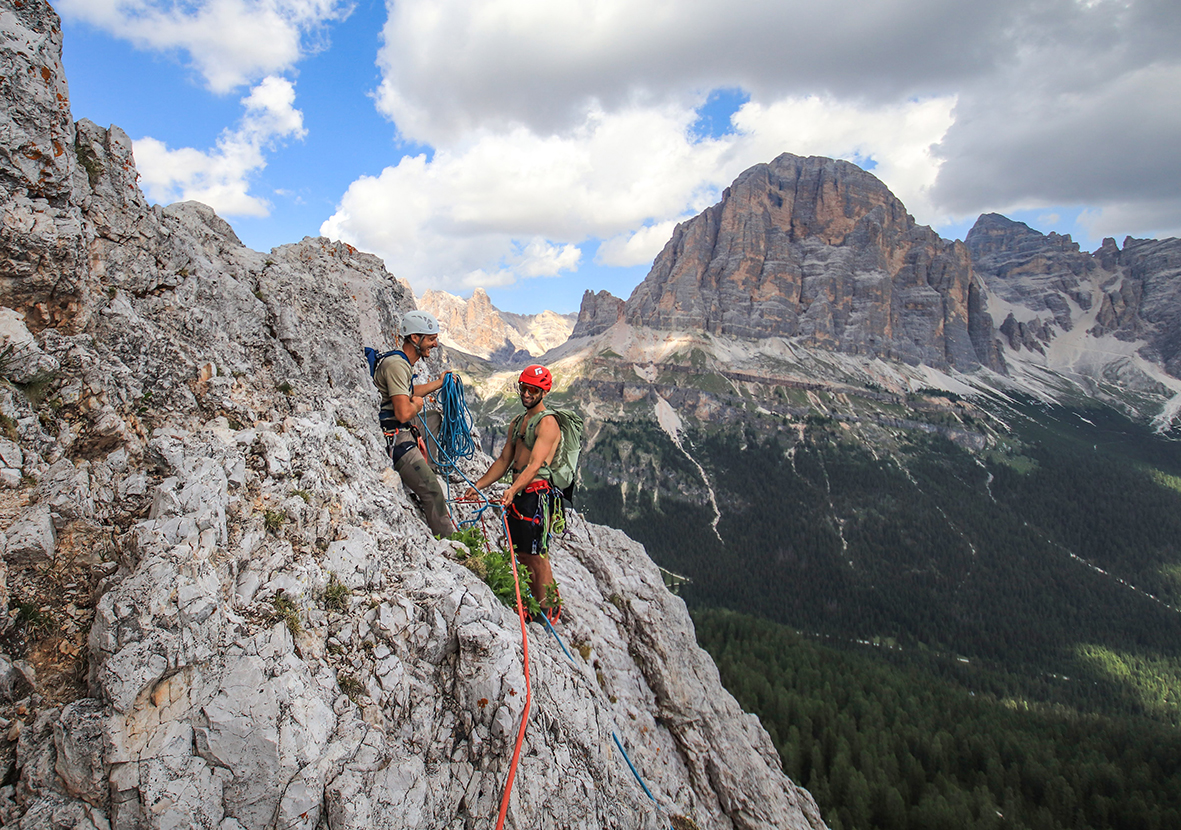
Luckily, only a few drops of rain fall with one pitch to go, and with the exception of a few slightly wet holds, we manage to ascend without problems. However, since we see the storm approaching and hear thunder, we descend quickly to reach the refuge as quickly as possible. The weather forecast had warned of thunderstorms in the afternoon, and indeed, after less than an hour, it starts raining. The trails that were quite crowded that morning are now deserted, and even the refuge is very quiet. We wait for the rain to stop so we can quickly descend the trail and return to the car. In the meantime, we decide what to do the next day.
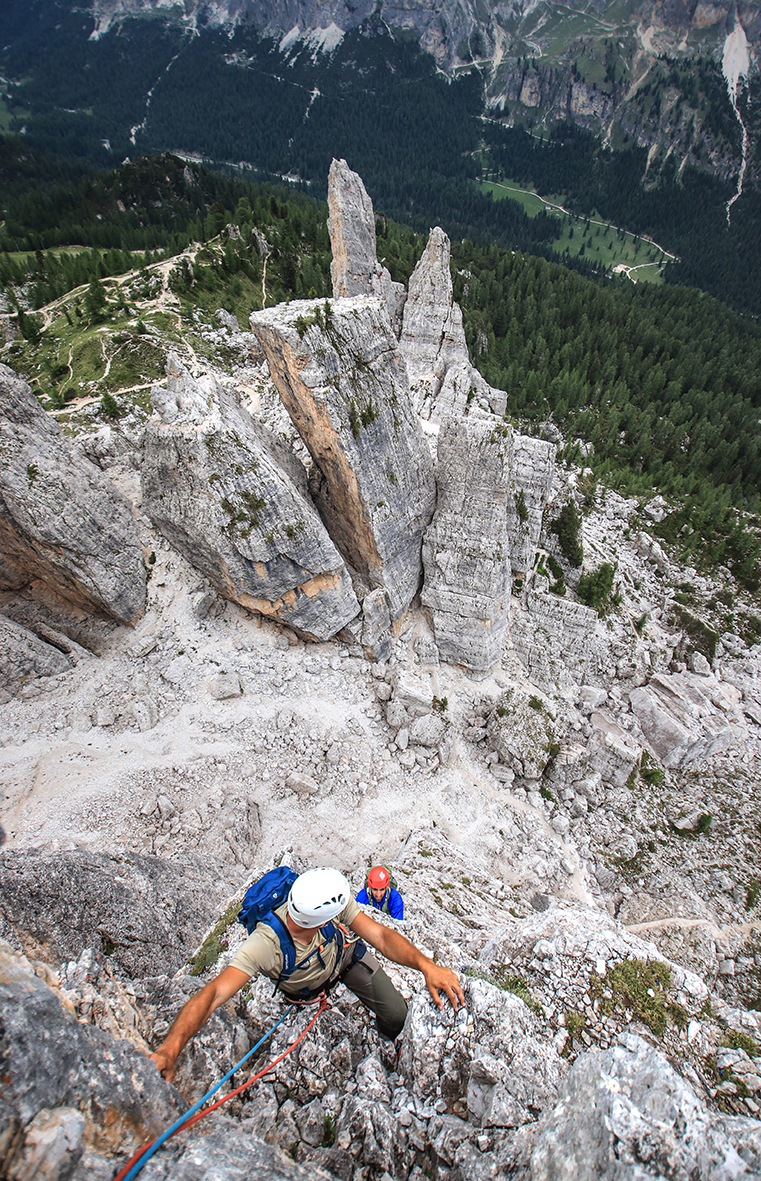
From Cinque Torri to Tofana di Rozes
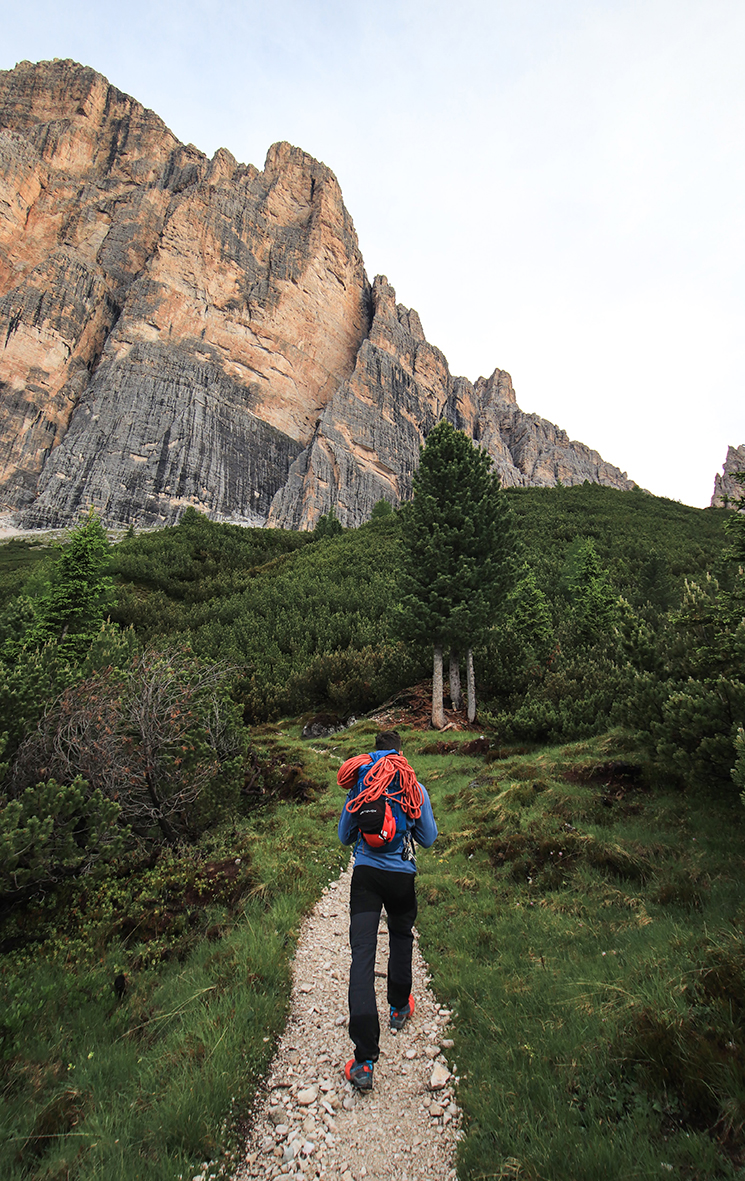
Opposite the Cinque Torri, another imposing and iconic peak of the Dolomites looms: the Tofana di Rozes. This is where we plan to climb tomorrow, along one of the classic routes that traverse the obvious arêtes on the south face. Ultimately, we choose the Alverà Pompanin route on the first arête, especially considering the timing and possible afternoon rain.
Since the weather could worsen after 3:00 PM, we want to make sure we’re at the summit before then. So we decide to set our alarm for 5:00 AM. Starting this early should allow us to return before the storms arrive. The route is named after the first two climbers who ventured onto this arête and reached the summit in 1946. Seen from the Dibona refuge, where the approach trail begins, the arête appears to be a sharp blade detached from the rest of the gigantic Tofana face.
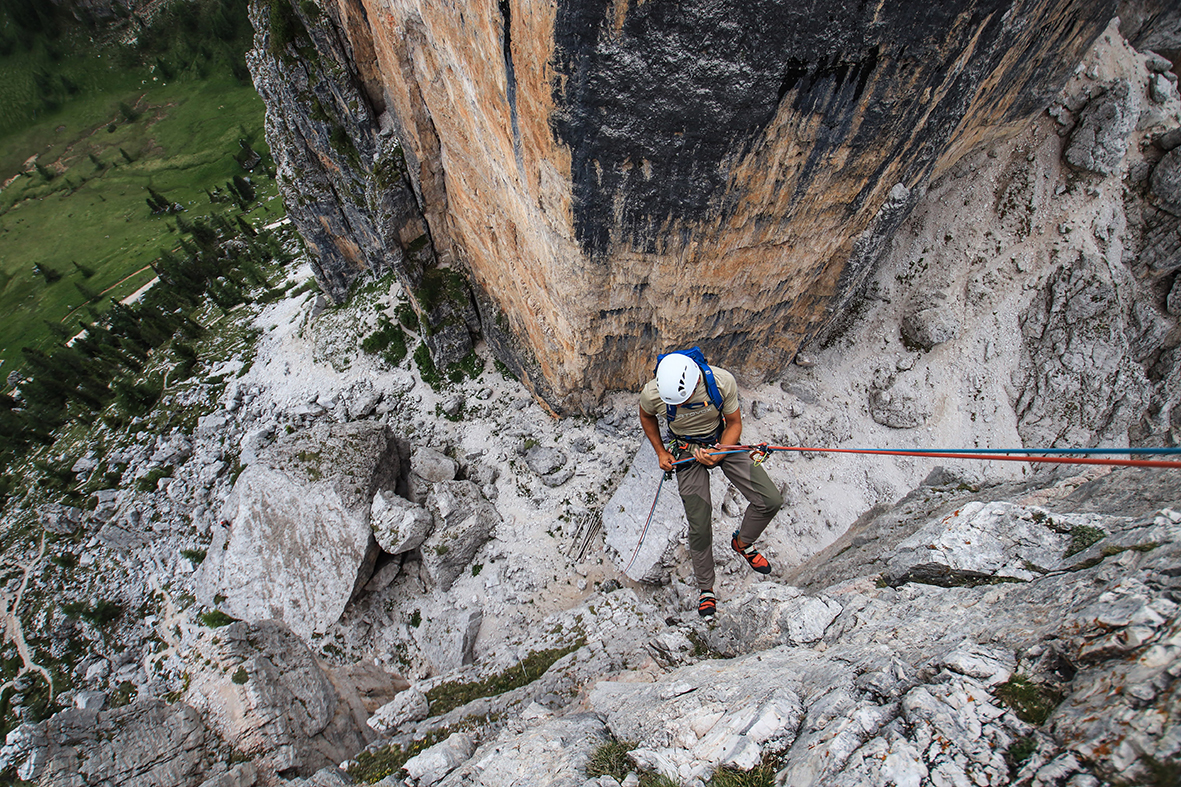
The charm of classic climbing in the Dolomites
I can’t explain the allure of these climbs other than as a blend of unique emotions and experiences. Observing the line of ascent before and after climbing it, walking toward the wall with ropes and all the climbing gear, searching for the easiest route and the best holds without knowing exactly where to go. Talking with your climbing partners to decide who goes first, how many meters are left to the end of the rope, which might be the best direction, reading the reports of previous climbers or studying the line traced in a photograph.
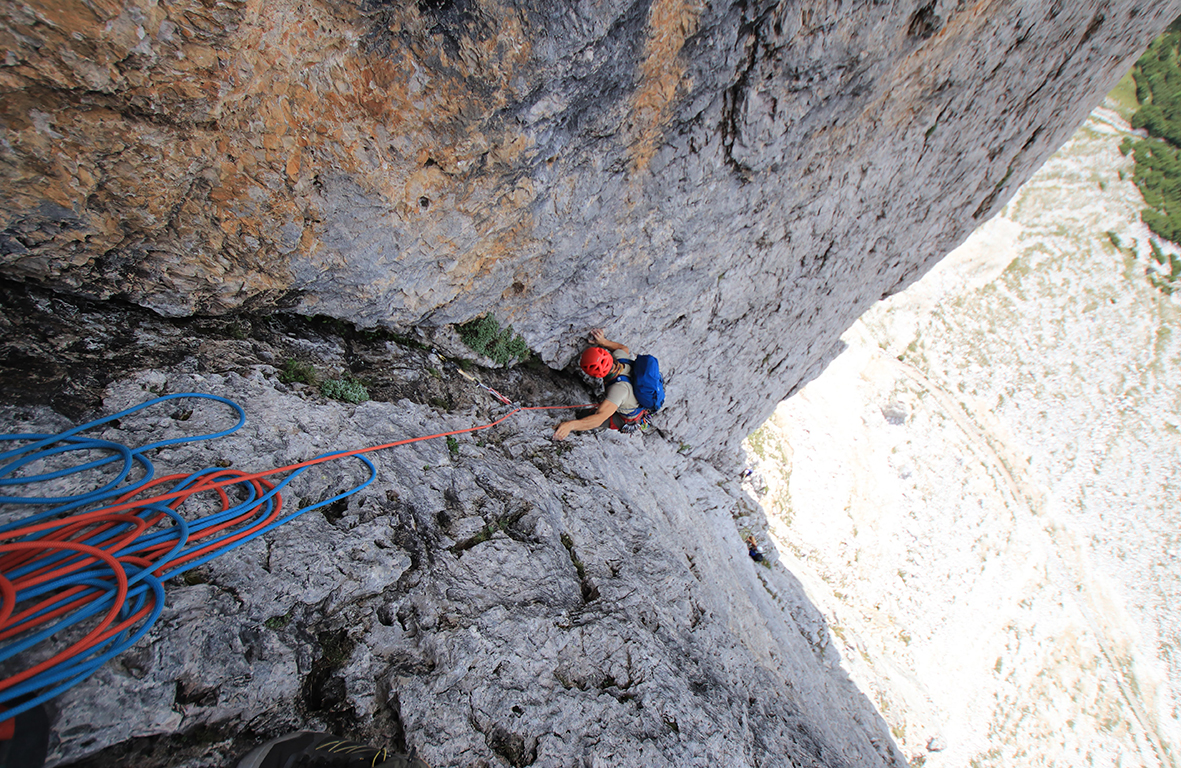
Waiting at the belay stations for the climbers to reach the next one, watching the changing panorama as you slowly ascend hundreds of meters, gazing into the void that is sometimes frightening and sometimes exhilarating, overcoming a difficult section with the right moves. Finally reaching the summit, knowing that now only a long descent remains. A classic route in the Dolomites is all these things, but also, more profoundly, a different approach to rock and the mountains.
The ethics of climbing classic routes
I like the idea of leaving few tracks along the route, of using cracks, threads, and rock spurs to climb safely. On classic routes, there are very few bolts (nails placed after drilling holes into the rock). There’s certainly no such thing as a zero-impact climb, because our passage always has a bearing, but I prefer to accept certain limits of safety and difficulty, rather than climb thanks to a long series of holes dug into the wall.
Respecting the mountain beyond the pursuit of safety
As a climbing enthusiast, however, I realize this argument has its limits; I often climb routes fully equipped with bolts myself. Without them, there would be very few walls I could climb. The ethics of the Dolomites on these “classic” routes can therefore be a lesson and a reminder to always respect the environment in which we climb or any other outdoor activity. The charm and beauty of these mountains can teach us to have a slightly less anthropocentric vision, in which what matters is not only human safety, comfort, and enjoyment.
FIND OUT HOW WE WERE EQUIPPED
We did it with: climbing clothing in the Dolomites