




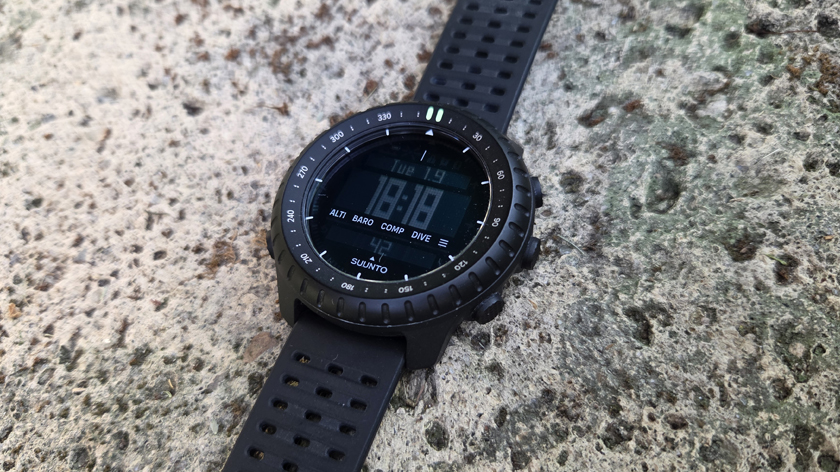
After nearly two decades, Suunto updates one of its most iconic outdoor watches. The new Core 2 retains the ABC philosophy of the original model, but introduces improved durability, a more readable display, Bluetooth, and new features. Here’s what’s really changed.
4Outdoor is also on Whatsapp. Just click here to subscribe to the channel and stay up to date.
There are products that the market tends to quickly replace, and others that become benchmarks. The Suunto Core belongs to the latter category.
Born in 2007, Suunto’s famous outdoor watch has built its reputation on a simple yet effective formula: altimeter, barometer and compass, all packaged in a self-contained, rugged device that is, above all, not dependent on GPS or daily charging.
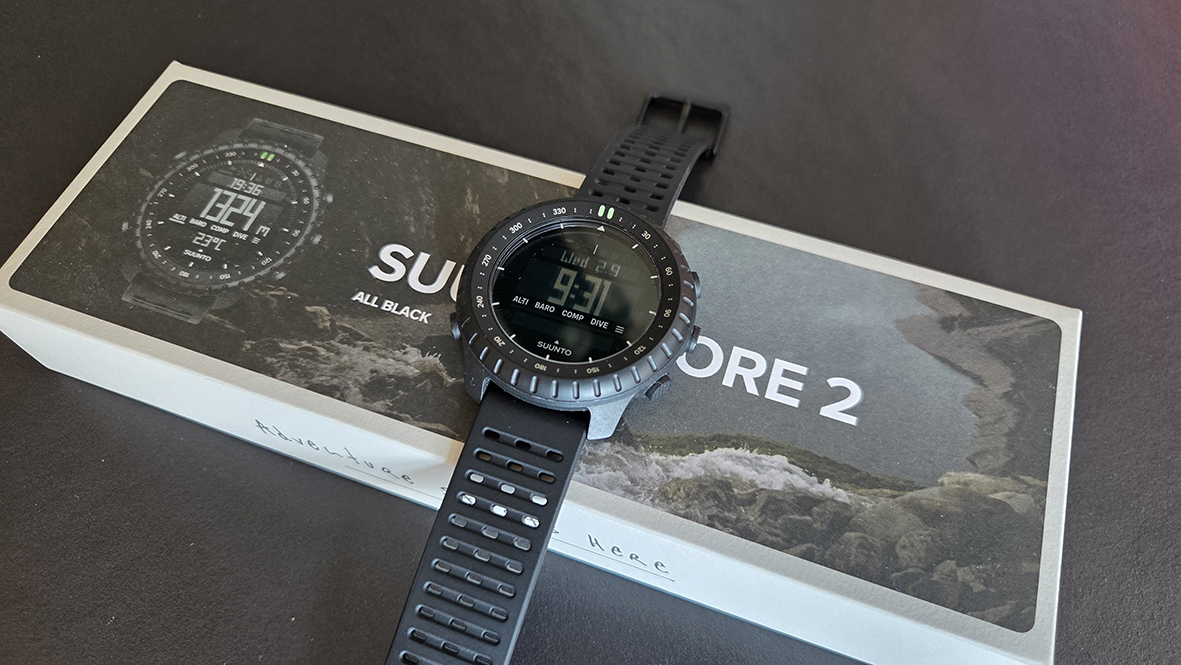
Almost twenty years later, Suunto Core 2 arrives. The name suggests a clear continuity, and looking at it for the first time, the feeling is that of being in front of an evolution rather than a revolution.
The dimensions are virtually identical, while the usage philosophy remains that of a traditional outdoor watch, not a smartwatch. But beneath this aesthetic continuity, several elements have been updated.
The question, therefore, is inevitable: how much has the Core really changed in almost twenty years?
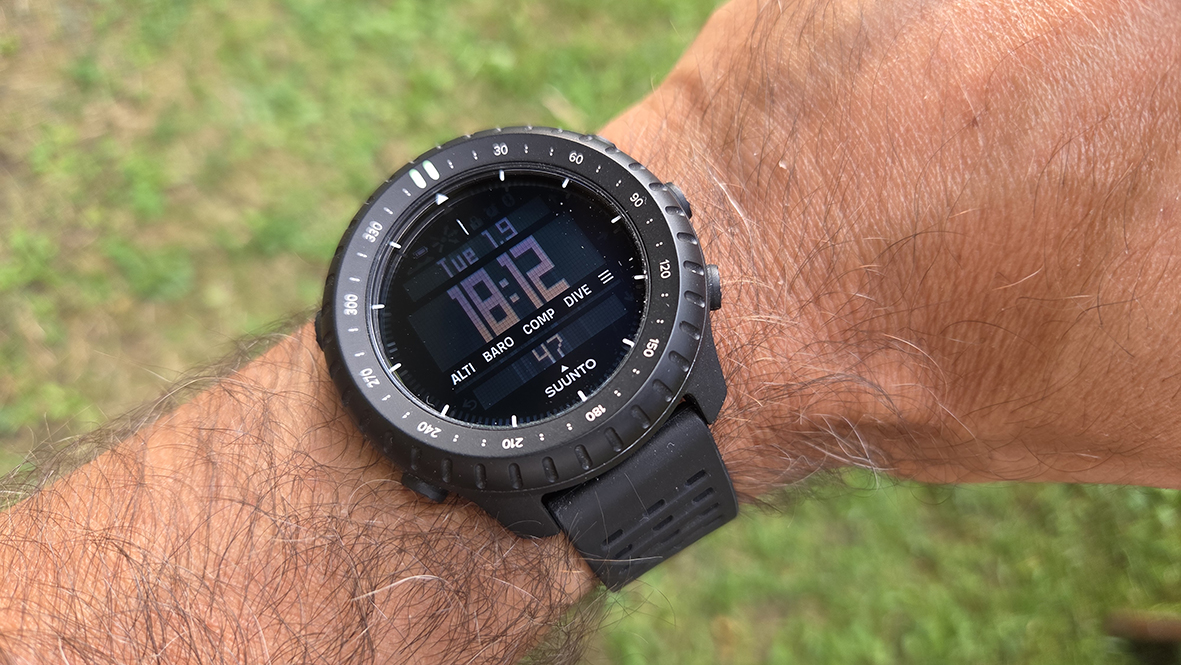
Suunto Core 2: Almost 20 Years Later, Still the Same Outdoor Philosophy
The comparison with the original model starts from a significant fact: Suunto did not try to transform the Core into something it is not.
The Core 2 continues to be a tool designed for those who frequent the mountains and the outdoors and want to have essential information such as altitude, atmospheric pressure, direction and weather conditions on their wrist.
There’s no GPS, touchscreen, heart rate monitor, or any other smartwatch features. The Bluetooth introduced on the Core 2 is primarily for syncing with the Suunto app and updates, while the watch can continue to function autonomously even without a connection.
It’s a deliberate choice: technology is added where it can be useful, without becoming the center of the experience.
Design and construction: little changes, but changes well
Dimensionally, the Core 2 remains surprisingly faithful to the original design.
The new model measures 49 × 49 × 14.84 mm, while the Core measures 49.1 × 49.1 × 14.5 mm. A difference that’s virtually imperceptible on the wrist.
The Core 2 weighs 74 grams with a strap, while the original Core All Black weighed 64 grams. The weight varies depending on the version of the old Core, as Suunto offered different strap configurations.
The Core 2’s case remains composite, but the bezel (rotatable in both directions) is made of stainless steel, retaining the fluorescent markings and compass degree indications, and the strap is made of silicone.
The display protection has also been updated: Suunto specifies Corning Gorilla Glass in the product description, while the Core’s technical documentation generically refers to “mineral glass.” The interesting thing, beyond the terminology, is that the new model has been designed to offer greater robustness for outdoor use.
The most obvious leap, however, concerns water resistance: from the 30 meters of the original Core we go to the 100 meters / 10 ATM of the Core 2.
The new Core 2 is also declared compliant with the MIL-STD-810H standard, a further indicator of the desire to make it more suitable for demanding usage conditions.
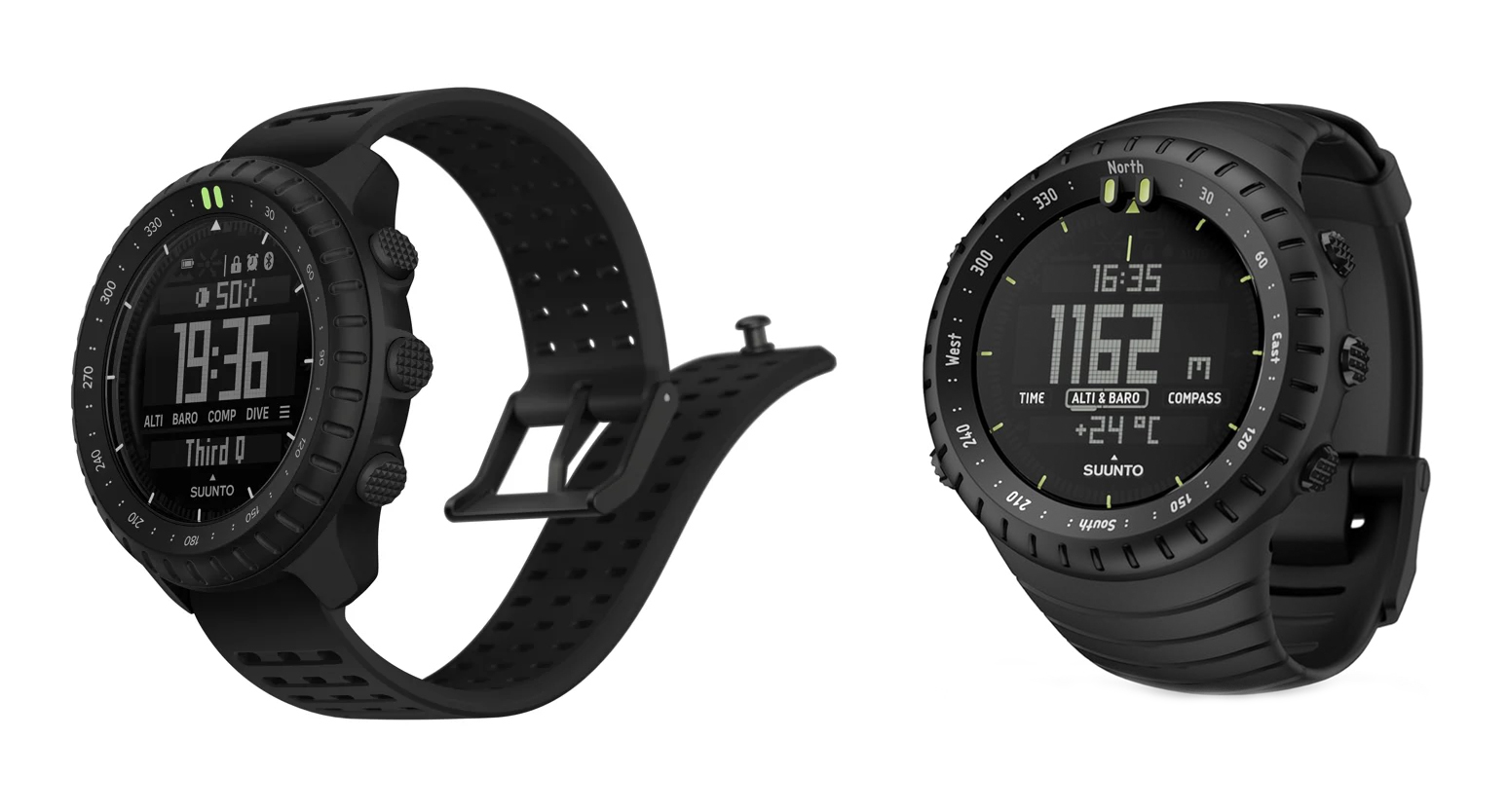
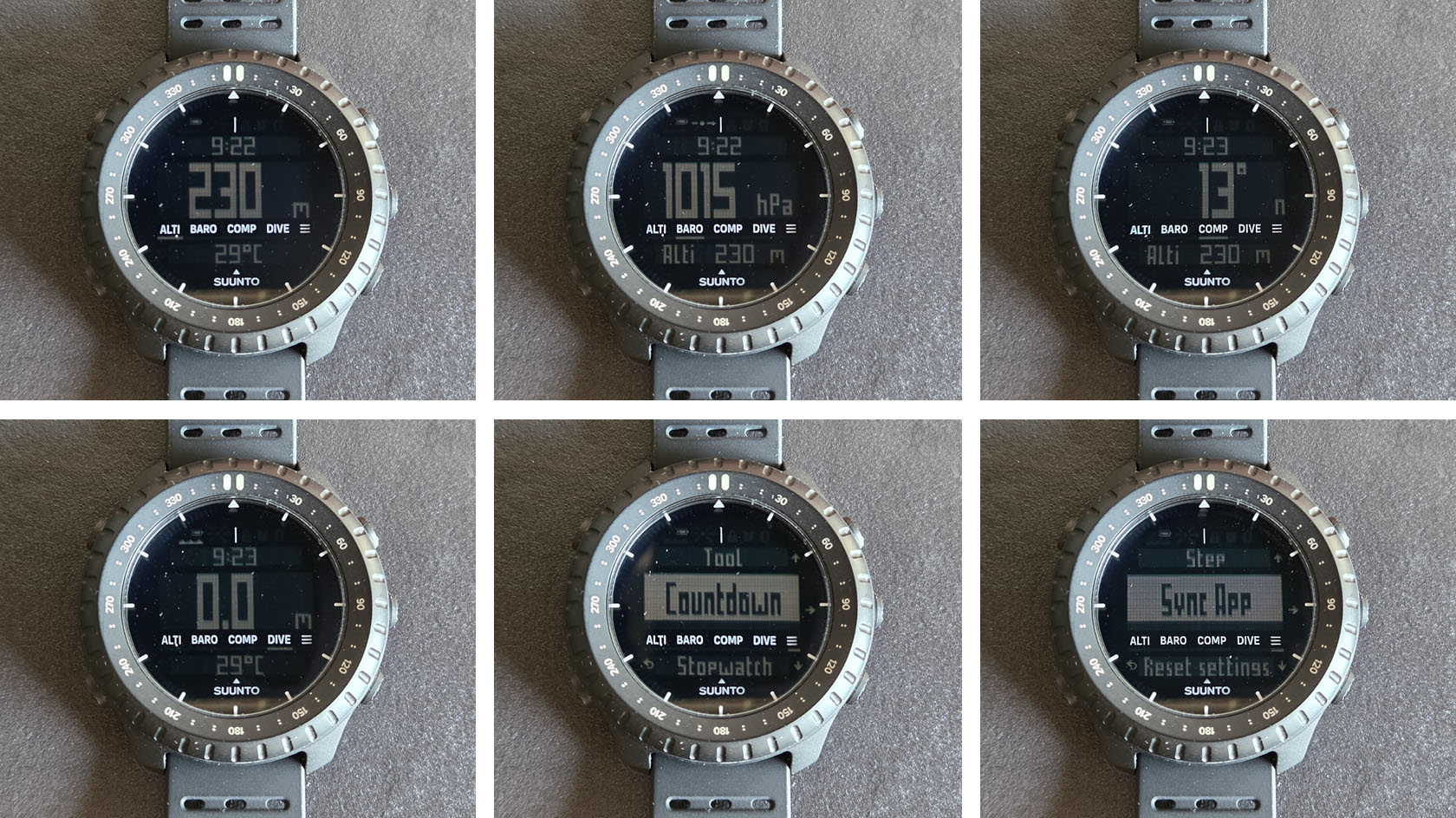
Altimeter, barometer and compass: the heart of the Core remains intact
This is probably the most interesting aspect of the whole operation.
By 2007, Suunto Core had already built its identity around the ABC system: Altimeter, Barometer, Compass. In the Core 2, this architecture has not been abandoned, but rather refined.
The original model’s altimeter had a range of -500 to 9,000 meters, with a resolution of one meter. The Core 2 extends the range from -100 to 10,000 meters, maintaining the one-meter resolution.
The barometer also maintains a range of 920-1080 hPa and a resolution of 1 hPa.
The digital compass, on the other hand, maintains a resolution of 1 degree.
In other words, Suunto didn’t chase a technological revolution in core functions: it kept exactly what made the Core a recognizable product.
It’s a choice that makes sense especially for the outdoor user who considers the watch a tool for orientation and reading the environment, rather than a center for collecting sports data.
A curious step backwards: the depth gauge
However, a curious difference also emerges in a direct comparison.
The old Core had a depth gauge up to 10 meters, designed for snorkeling. The Core 2 now increases the recommended depth to 2 meters.
It is therefore important not to confuse the greater waterproofness of the new model with a greater underwater vocation: the 100 meters of water resistance do not transform the Core 2 into a dive computer.
Display and readability: the most obvious leap
This is probably the change that is immediately noticeable when using the two watches side by side.
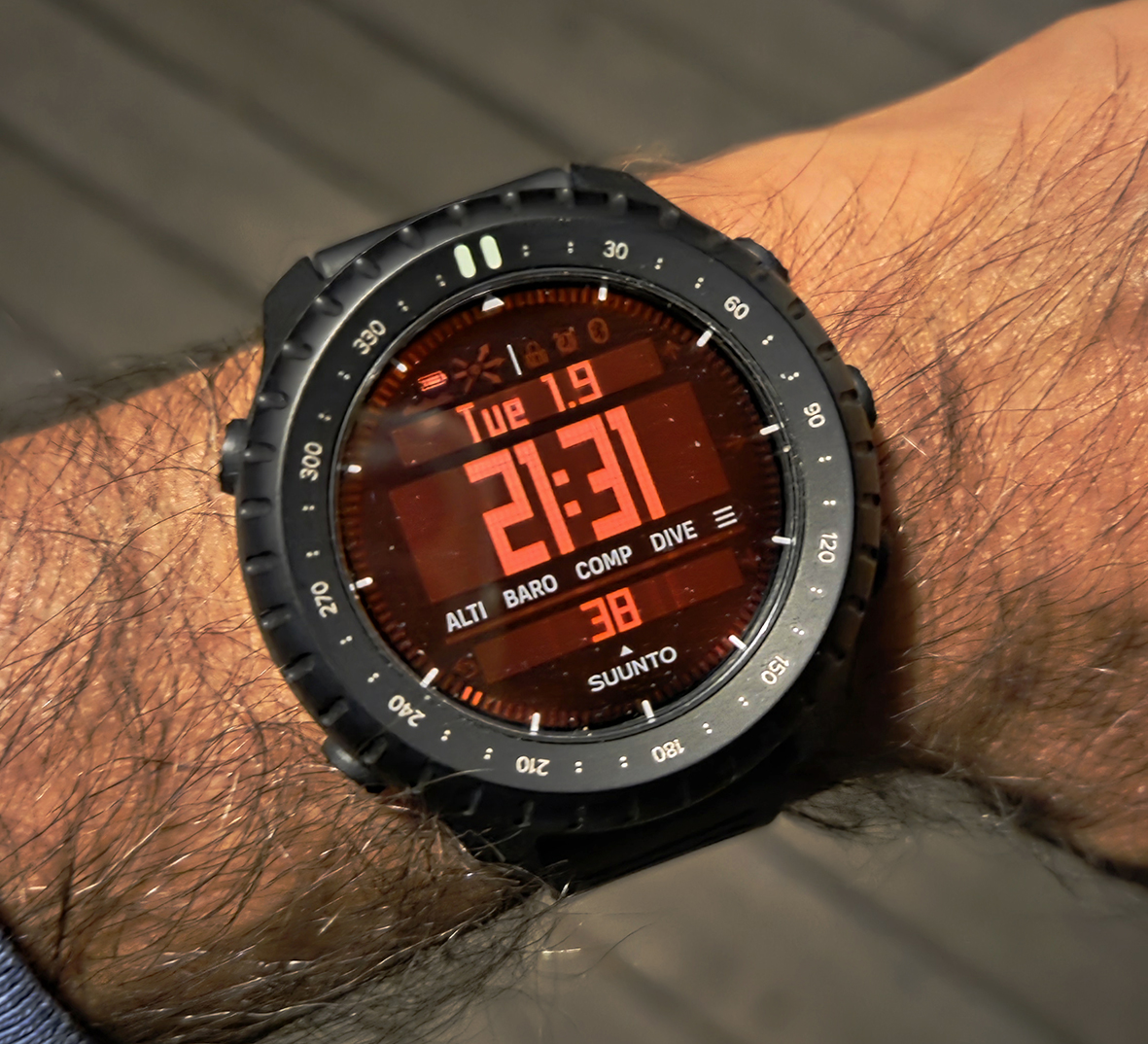
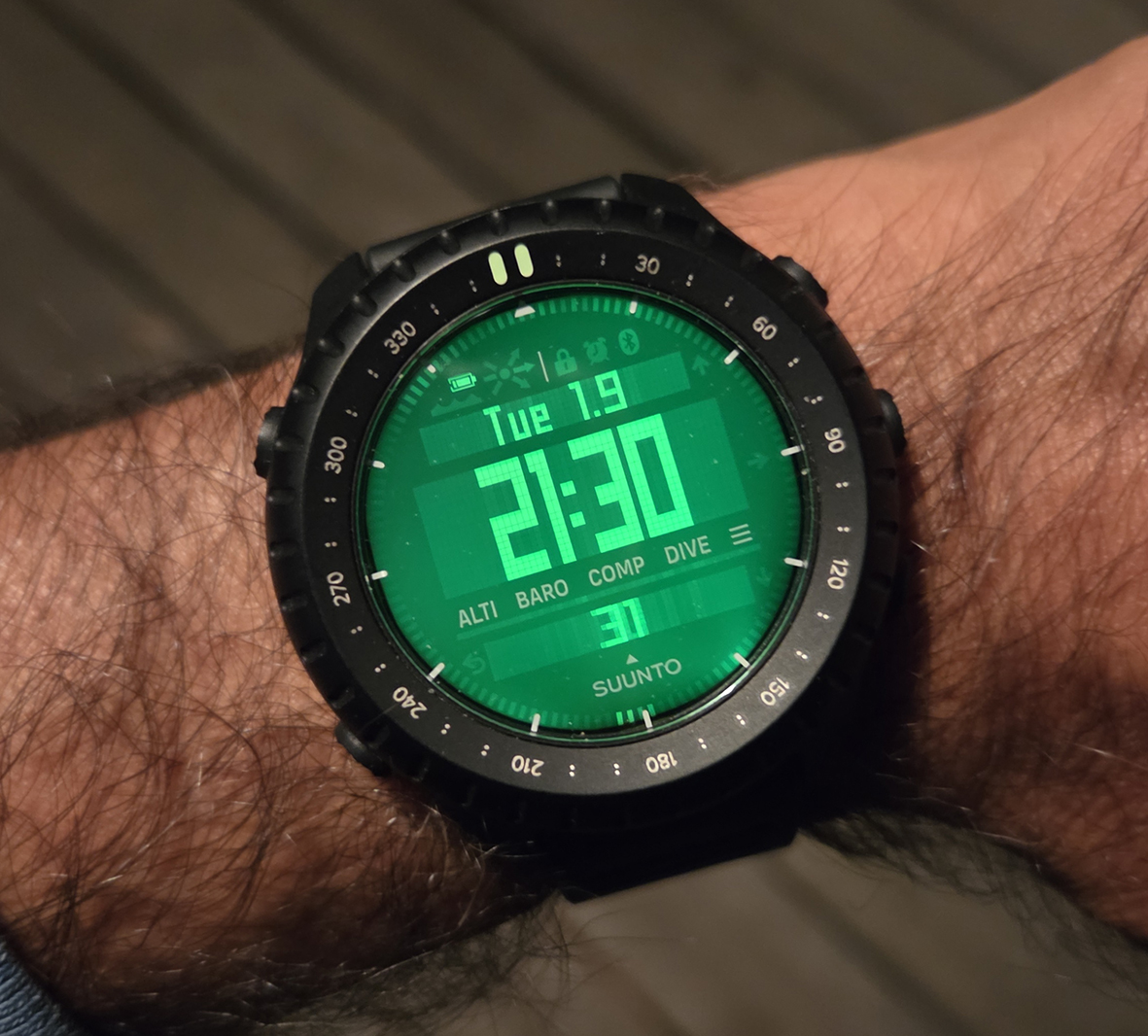
The original Core uses a matrix display with electroluminescent backlighting. The Core 2 instead introduces a 1.3-inch LED display, with greater brightness and contrast.
The backlighting also turns red and green, configurable according to your needs.
This is a particularly interesting update for those who use their watch in variable lighting conditions, at twilight, or during night-time activities.
The display doesn’t try to imitate that of a smartwatch: it remains a simple, readable and functional interface.
And it is probably precisely this simplicity that represents one of the strong points of the Core 2.
Battery: still no charger
Here the Core 2 demonstrates how faithful it is to the original project.
The 2007 Core used a user-replaceable CR2032 battery, with a claimed battery life of about a year under normal conditions.
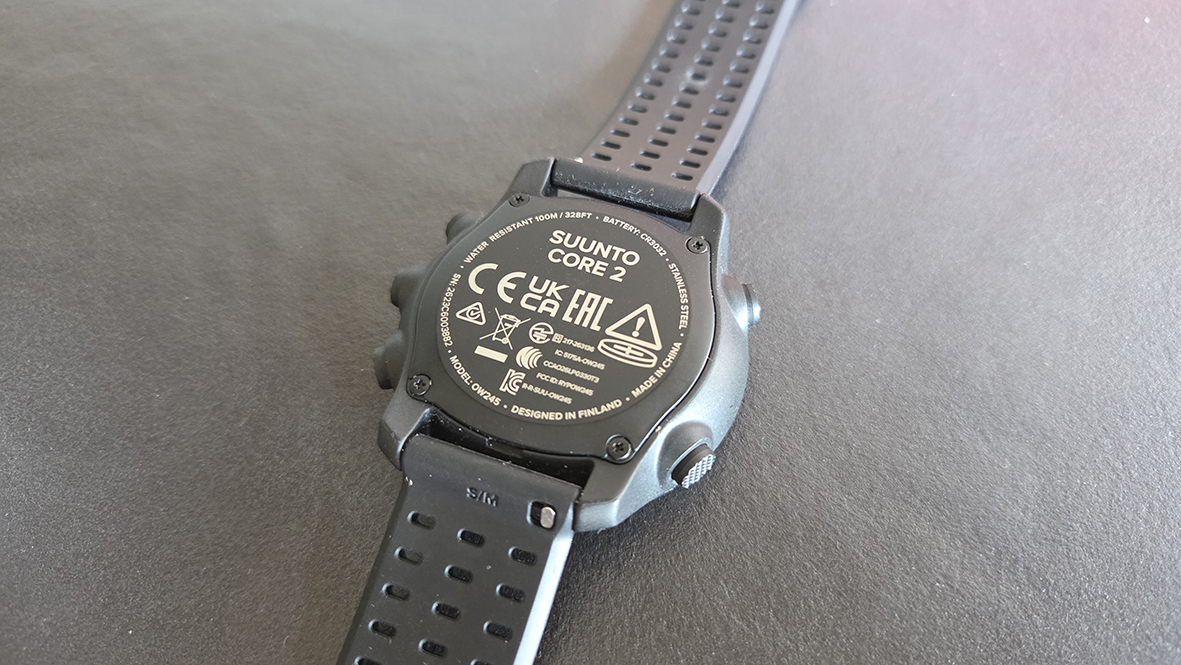
The Core 2 uses a CR3032, which is also replaceable, and gets up to 15 months of battery life in watch mode.
It’s a feature that may seem anachronistic in the age of smartwatches, but in the outdoors it actually represents a concrete advantage.
You don’t need to remember to charge your watch before a hike, you don’t need to carry a cable, and you don’t have to plan battery life based on the duration of your activity.
The Core 2 can simply stay on your wrist.
From Core to Core 2: Bluetooth, pedometer, and moon phases arrive
The big technological innovation is naturally Bluetooth.
The original Core was completely standalone. The Core 2 can now communicate with the Suunto App to sync data and receive firmware updates.
The connection, however, remains a secondary element: the watch does not suddenly become a smartwatch.
Some features that were not available in 2007 have also been added, including a pedometer and moon phase display.
These are interesting additions, but they don’t define the Core 2.
Its identity continues to be linked to the outdoor world.
Suunto Core 2 vs. Suunto Core: A Technical Comparison
| Characteristic | Suunto Core | Suunto Core 2 |
|---|---|---|
| Dimension | 49,1 × 49,1 × 14,5 mm | 49 × 49 × 14,84 mm |
| Weight | 64 g about* | 74 g 13 with strap |
| Case | Composite | Composite |
| Ring | Aluminium | Stainless steel |
| Glass | Mineral | Corning Gorilla Glass** |
| Waterproofness | 30 m | 100 m / 10 ATM |
| Battery | CR2032 | CR3032 |
| Autonomy | about 12 month | up to 15 months |
| Altimeter | -500 / 9.000 m | -100 / 10.000 m |
| Baromether | 920-1080 hPa | 920-1080 hPa |
| Compass | Digital, 1° | Digital, 1° |
| Depth gauge | Up to 10 m | Up to 2 m |
| Display | Matrix | LED, 1,3″ |
| Backlight | Electroluminescent | Red + Green |
| Bluetooth | No | Yes |
| Suunto App | No | Yes |
| Pedometer | No | Yes |
| Moon Phase | No | Yes |
| GPS | No | No |
*The weight of the Core varies by model and materials. The Core All Black was listed at 64 g.
**The Suunto product page lists Corning Gorilla Glass, while the spec sheet says “mineral glass.”
Our assessment: evolution without betrayal
The Suunto Core 2 is not a revolution and probably doesn’t want to be.
Its strength lies precisely in the fact that, almost twenty years after the debut of the original Core, Suunto has chosen not to betray the starting formula.
The dimensions are virtually identical. The altimeter, barometer, and compass remain the heart of the device. The battery is still replaceable, and the watch doesn’t require daily charging.
But everything that could be improved has been updated: improved waterproofing, new construction, brighter display, more versatile backlighting, longer battery life and, finally, Bluetooth connectivity.
It is therefore an interesting product especially for those who are not looking for a smartwatch, but an essential and autonomous outdoor tool, with a few additional technological conveniences.
Design? Faithful to the original philosophy but updated to meet today’s taste and functionality. It’s curious how Suunto’s technical evolution has gone hand in hand with the choice of increasingly minimalist designs, but ultimately the Suunto Core 2, priced under $200, offers the most eye-catching design in the catalog (in our opinion). Perhaps the minimalist aesthetic chosen to represent the Finnish brand lacks that touch of design that makes your heart skip a beat.
For those who still own a 2007 Core, the upgrade is not mandatory: the old model continues to do exactly what it was designed to do.
But if the original Core represented Suunto’s outdoor philosophy in the late 2000s, the Core 2 represents an updated version for 2026, without losing the character that made it an icon.
And perhaps this is its most successful achievement: after almost twenty years, the Core is still a Core.