



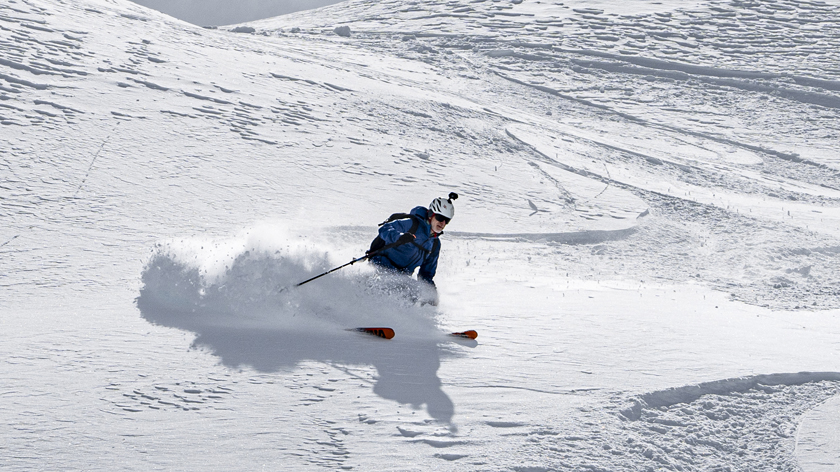
First launched in 2007, it returns revamped to take on new backcountry challenges.
It’s the Patagonia PowSlayer Kit!
4Outdoor is also on Whatsapp. Just click here to subscribe to the channel and stay up to date.
Patagonia Powslayer Kit, for whom it was made
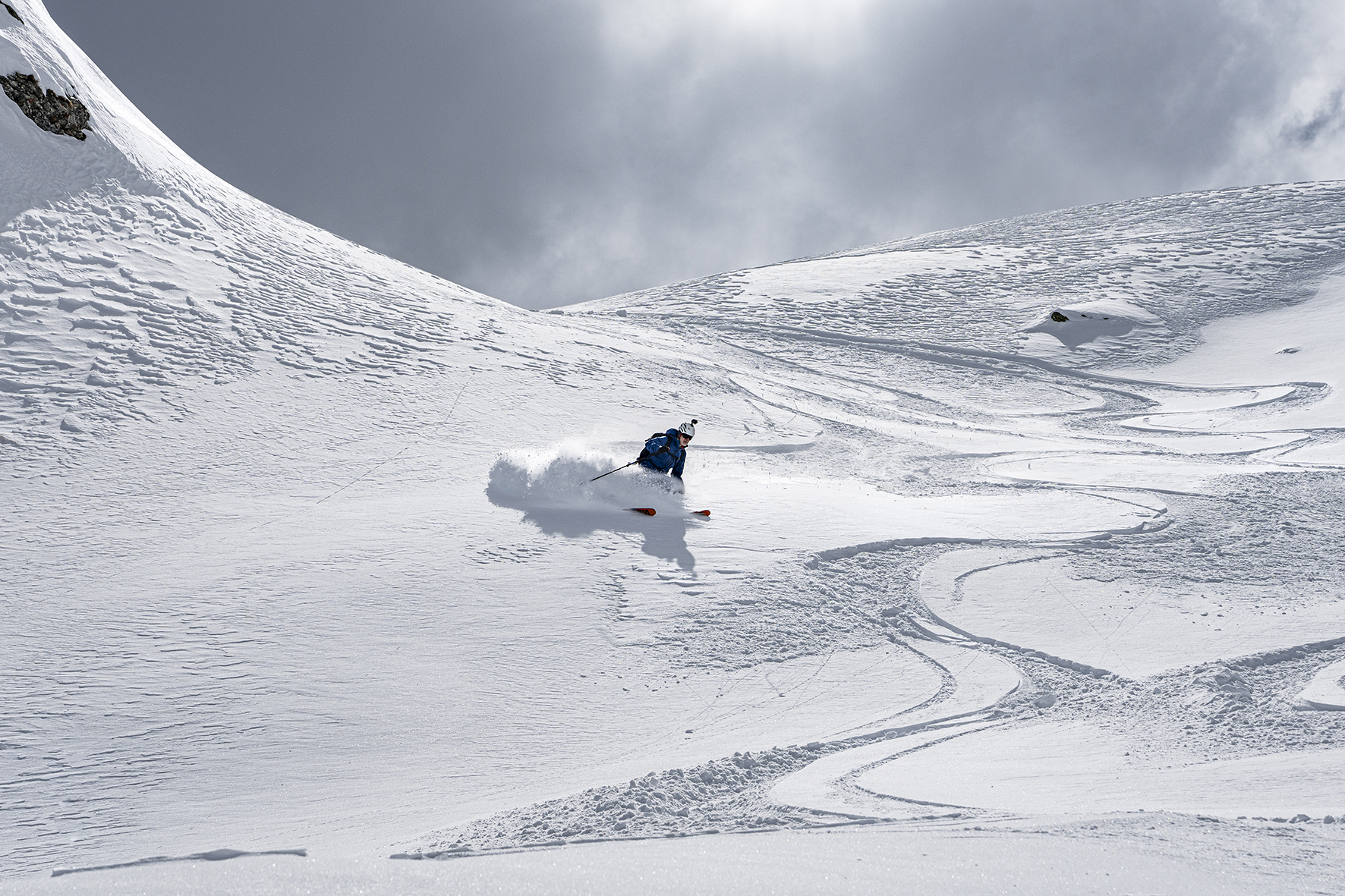
The Patagonia Powslayer Jacket & Pants was created for demanding skiers and snowboarders who challenge themselves on challenging backcountry terrain.
While more ski-touring-oriented kits like the Stormstride kit feature tighter lines, a shorter jacket, and more breathable, less protective fabric, here we’re dealing with a more relaxed, functional design that maximizes downhill performance and protects against adverse weather conditions and deep snow.
Why was there a need to completely renew the Patagonia Powslayer after almost 20 years, and how has it changed?
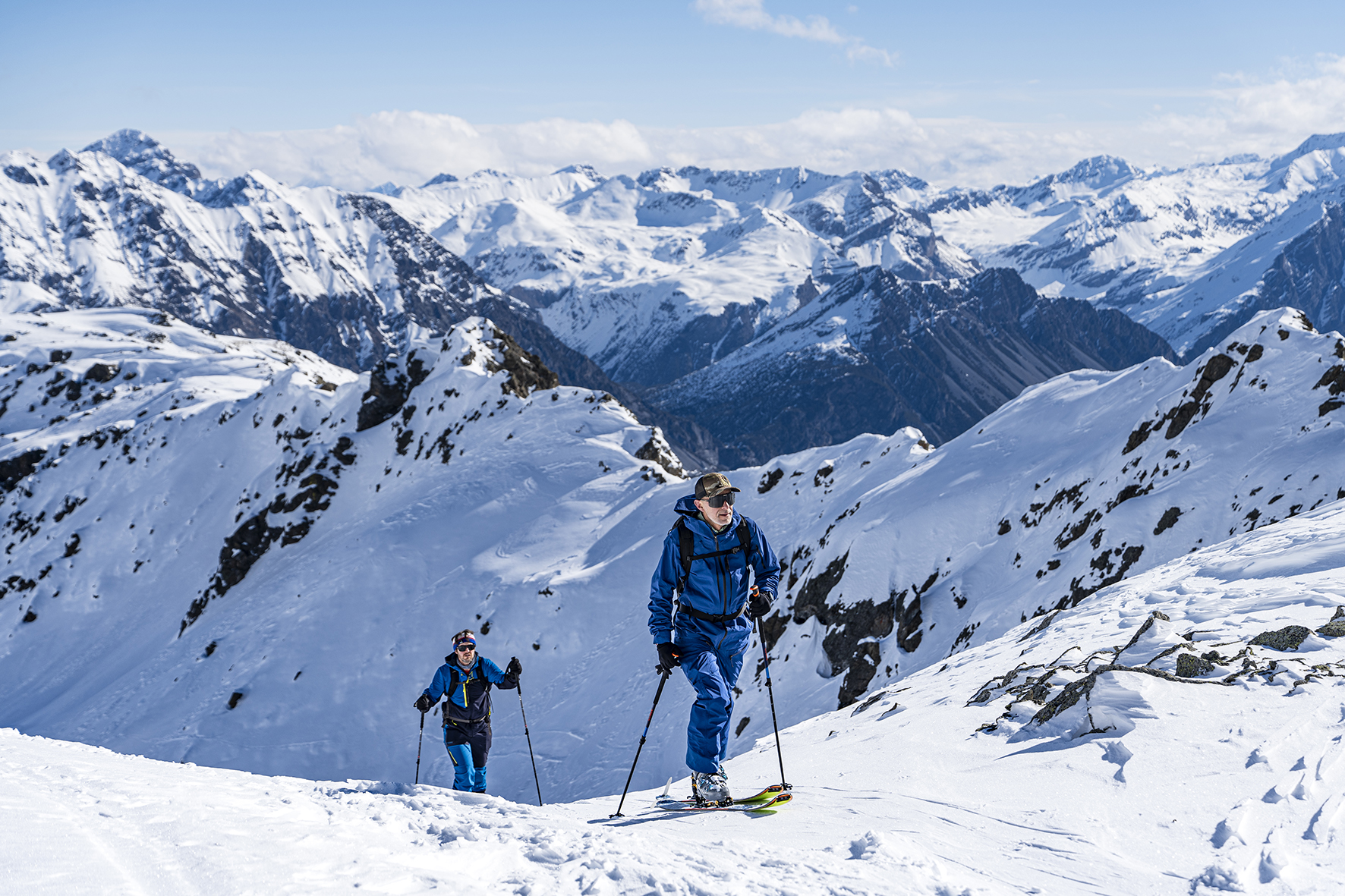
Updated functional details and fabric
The evolution, from a design point of view, is the result of years of development by the Team’s designers and ambassadors.
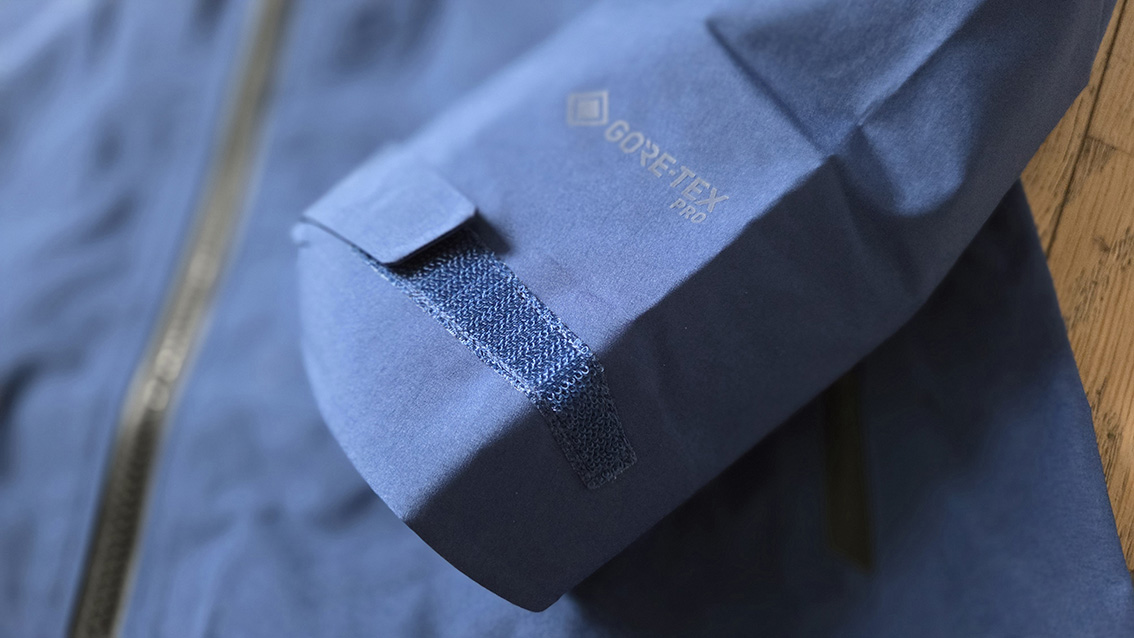
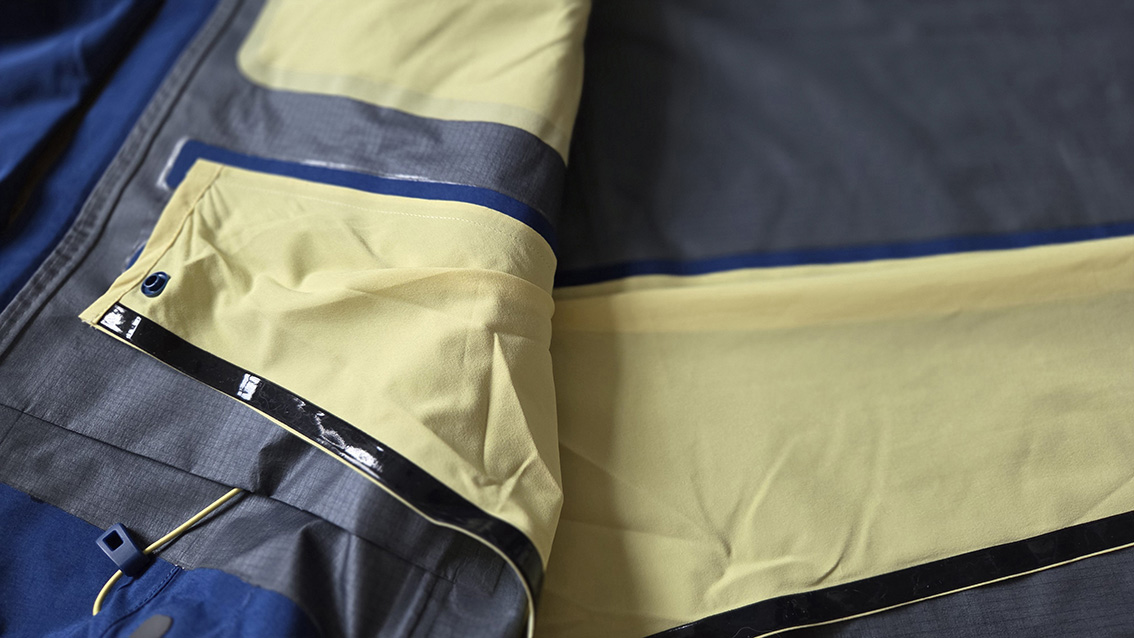
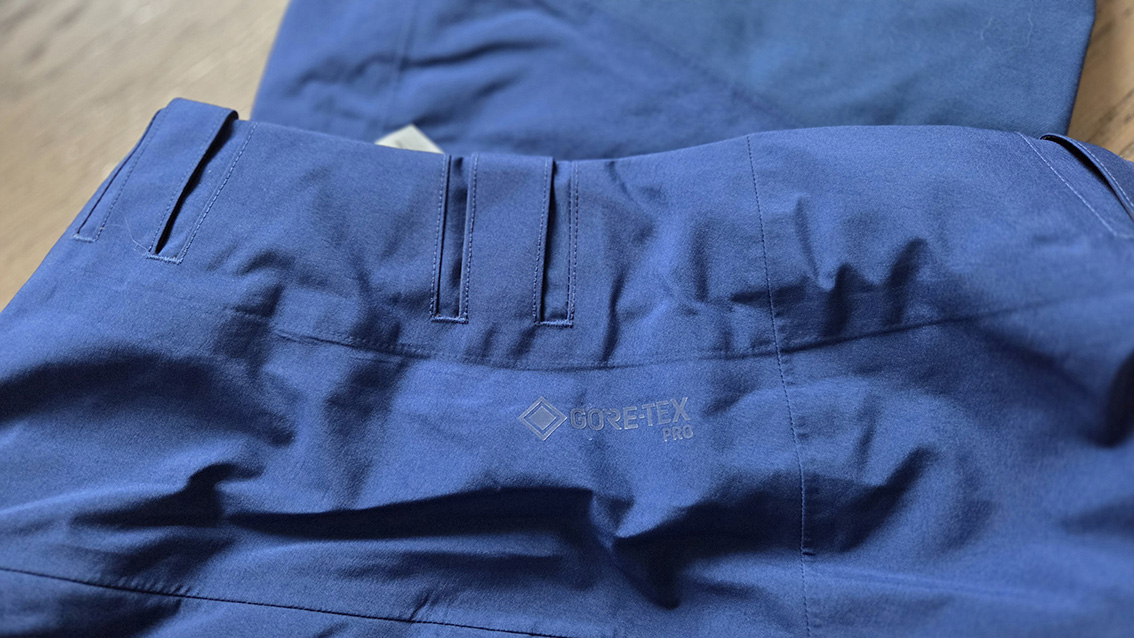
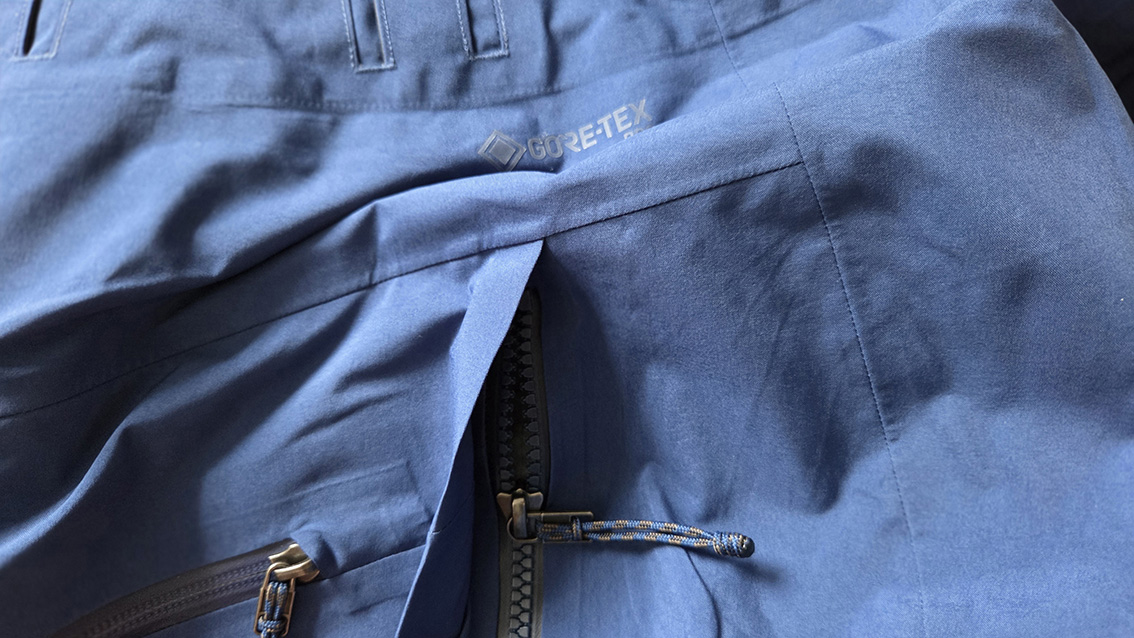
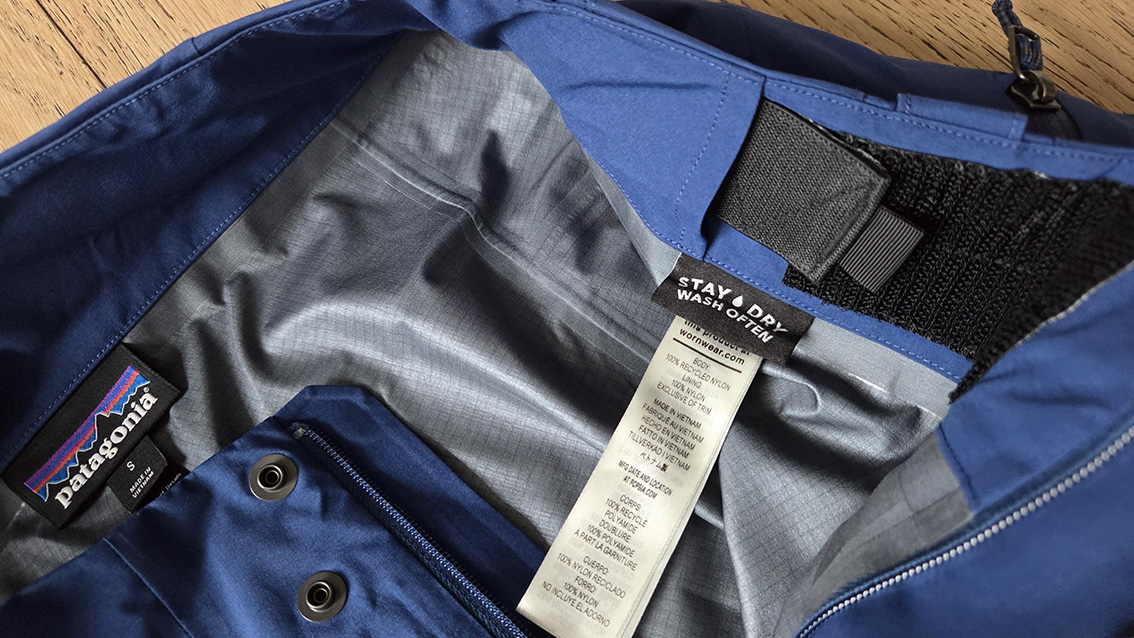
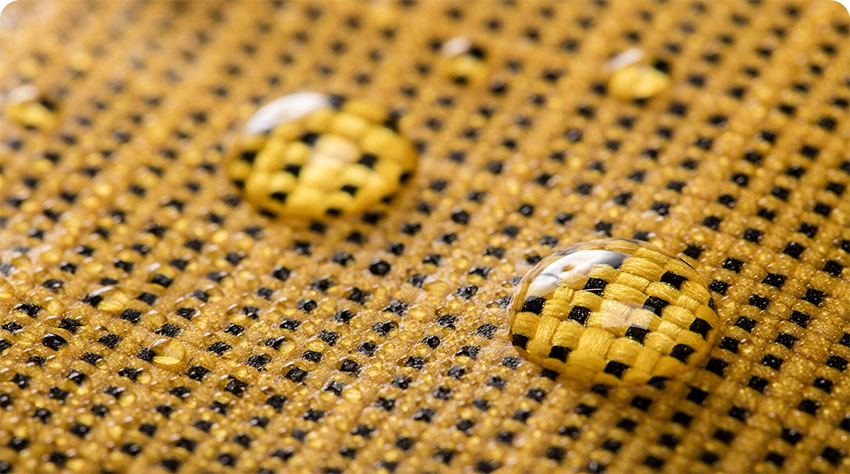
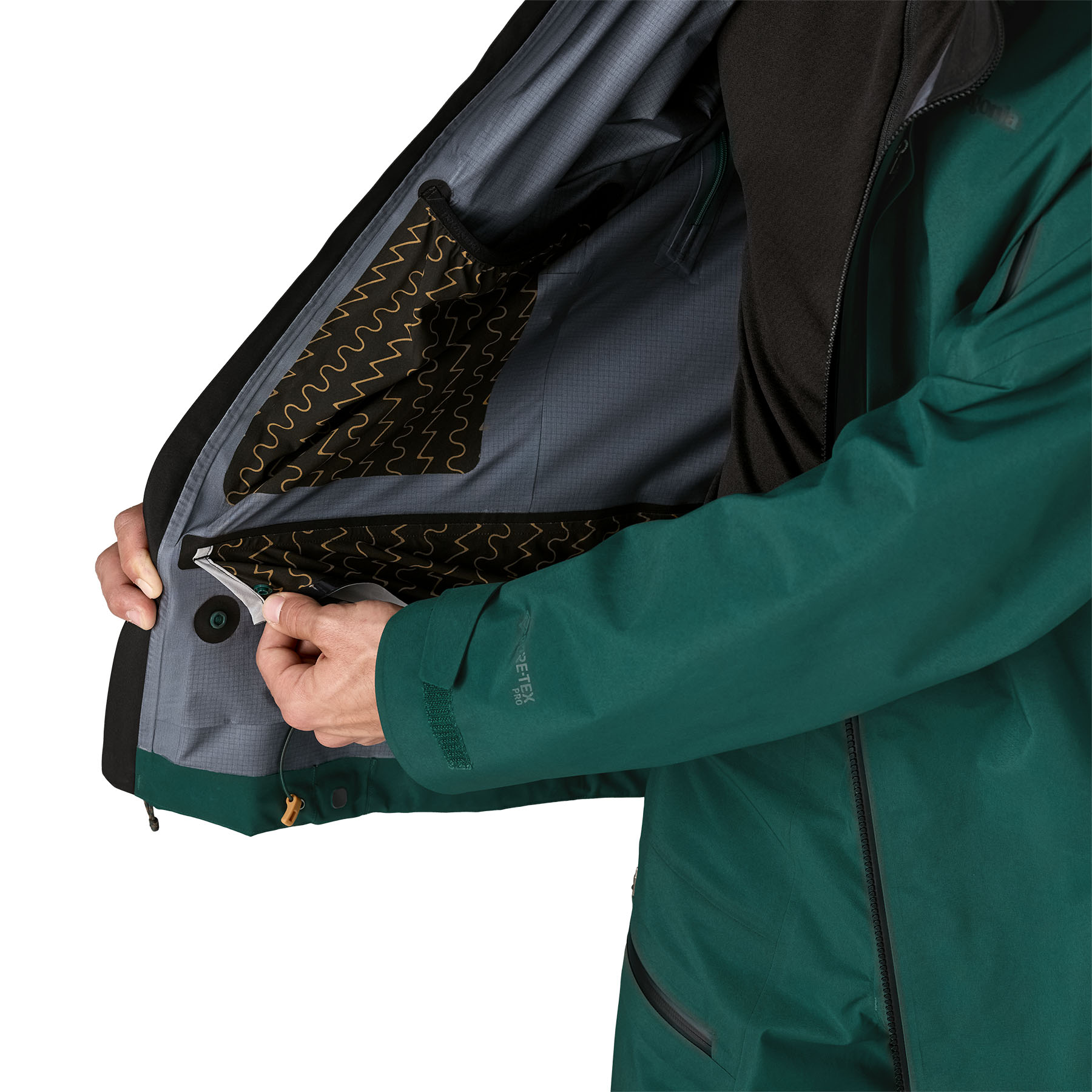
Fundamental, however, was the adoption of the 3-layer fabric with the brand new Gore-Tex ePE 100% Recycled Nylon membrane, with Rip-Stop back and DWR treatment without intentionally added PFAS, and 89% Recycled Polyester and 11% Elastane lining.
The brand-new fabric, compliant with Patagonia’s sustainability standards, has been years in the making and is now ready to offer the same performance as the renowned Gore-Tex, but with an extra focus on the environment.
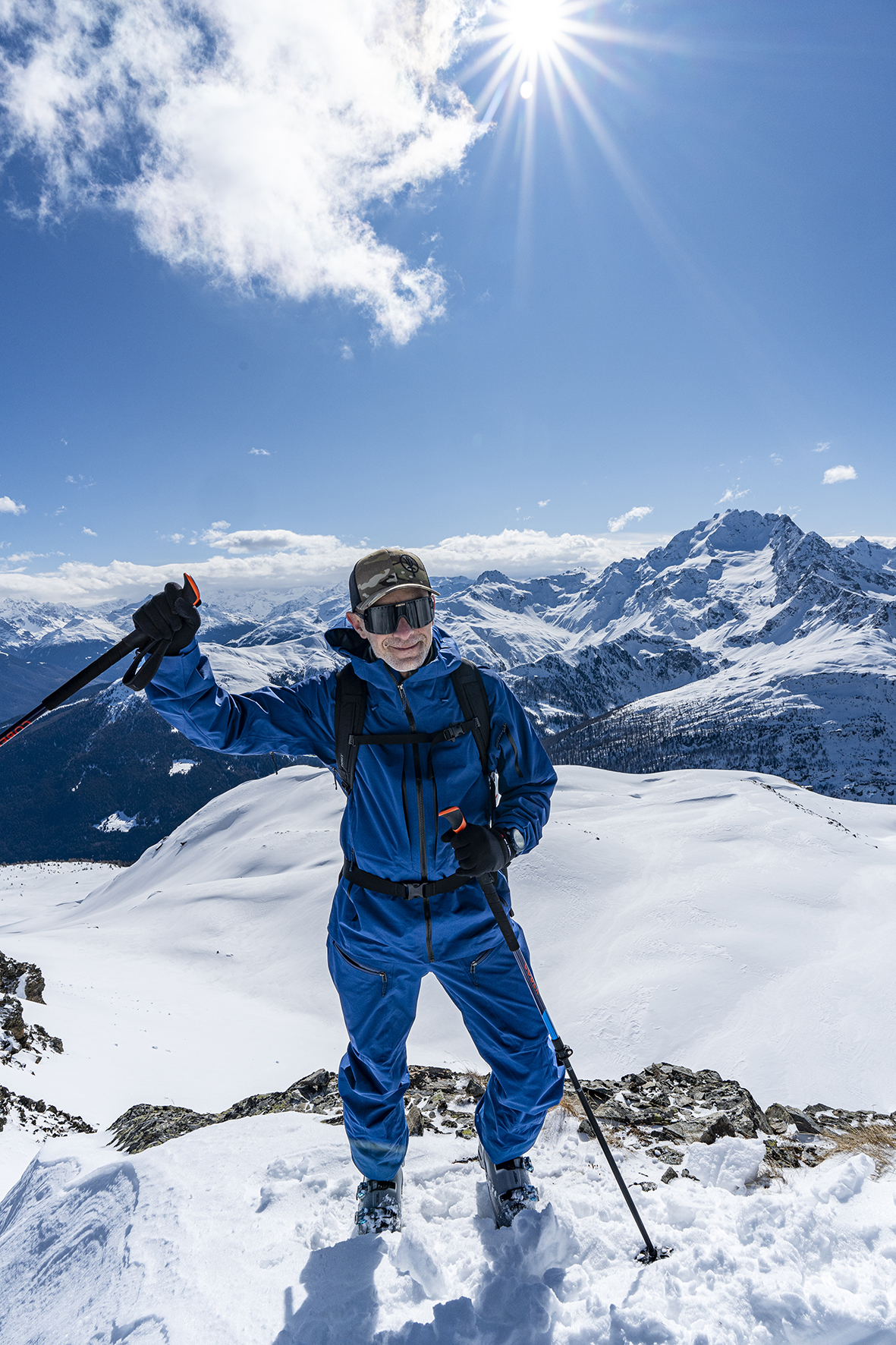
Watch my Video Review on INSTAGRAM
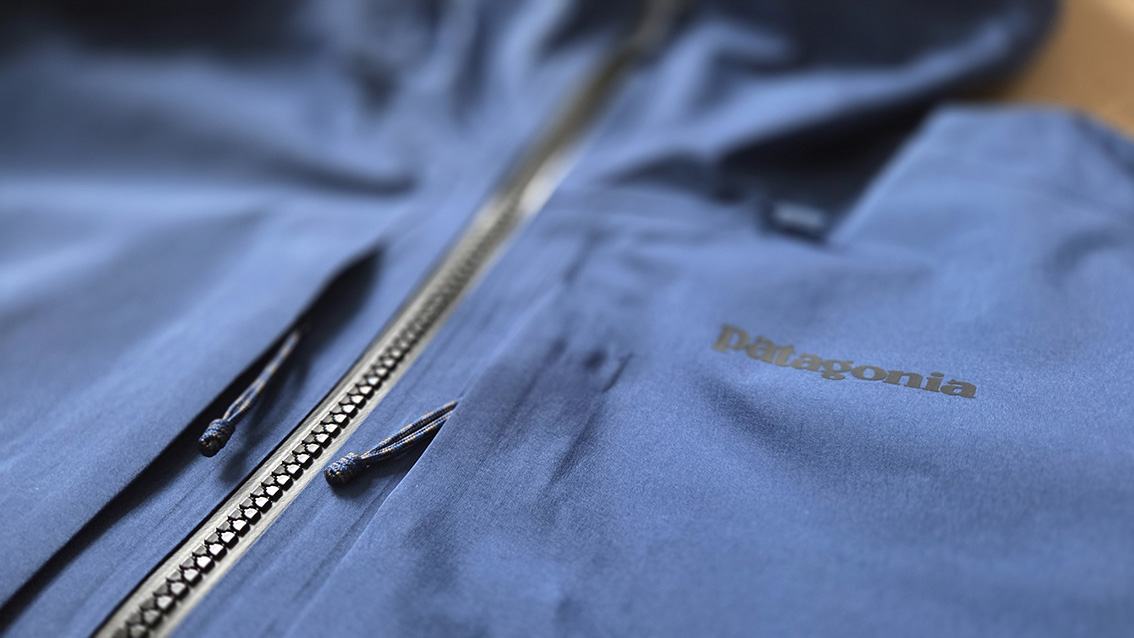
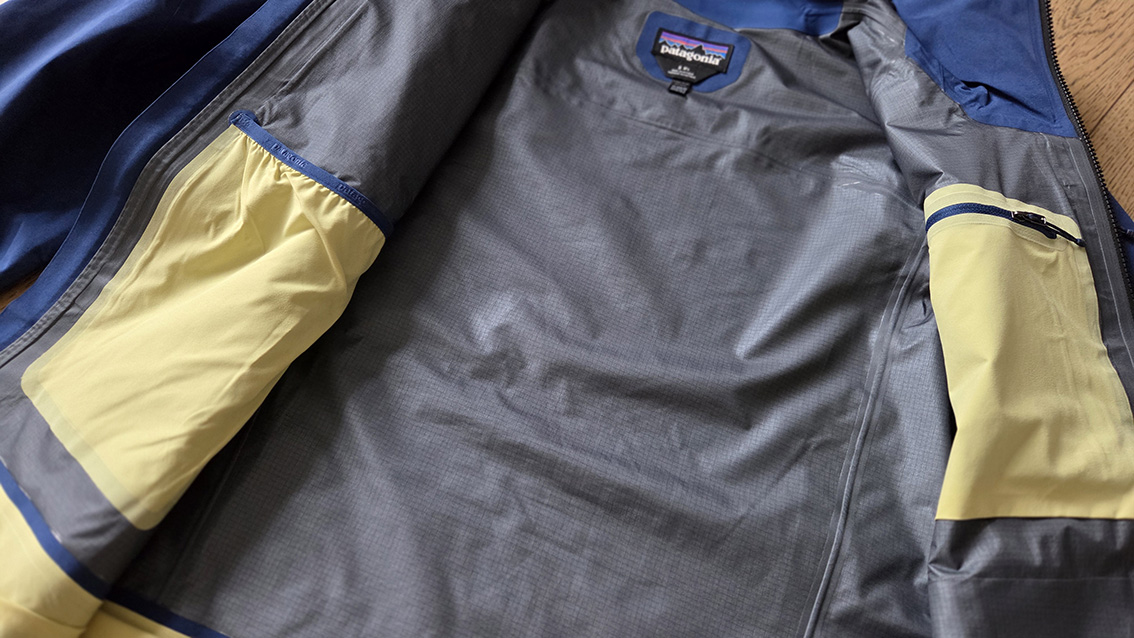
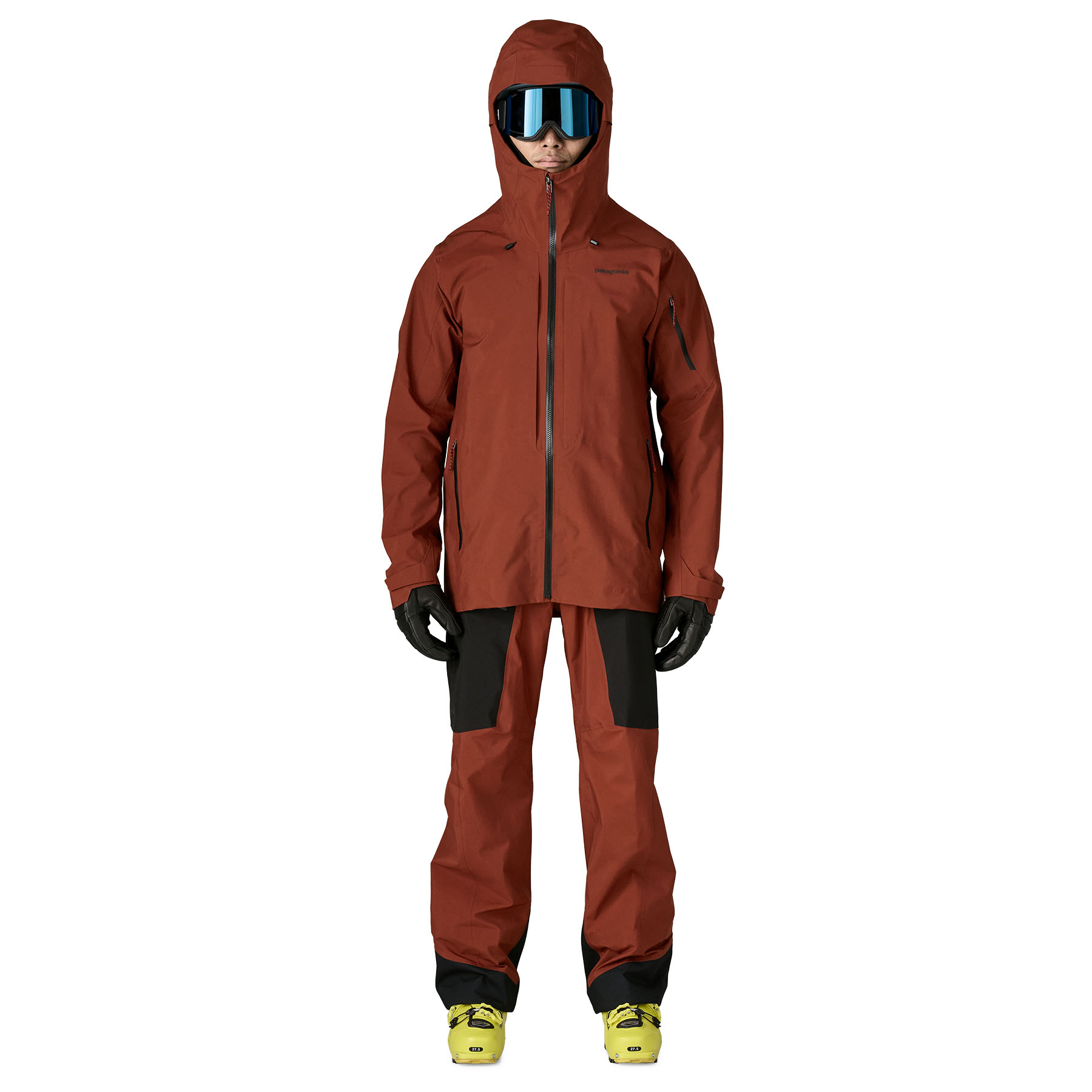
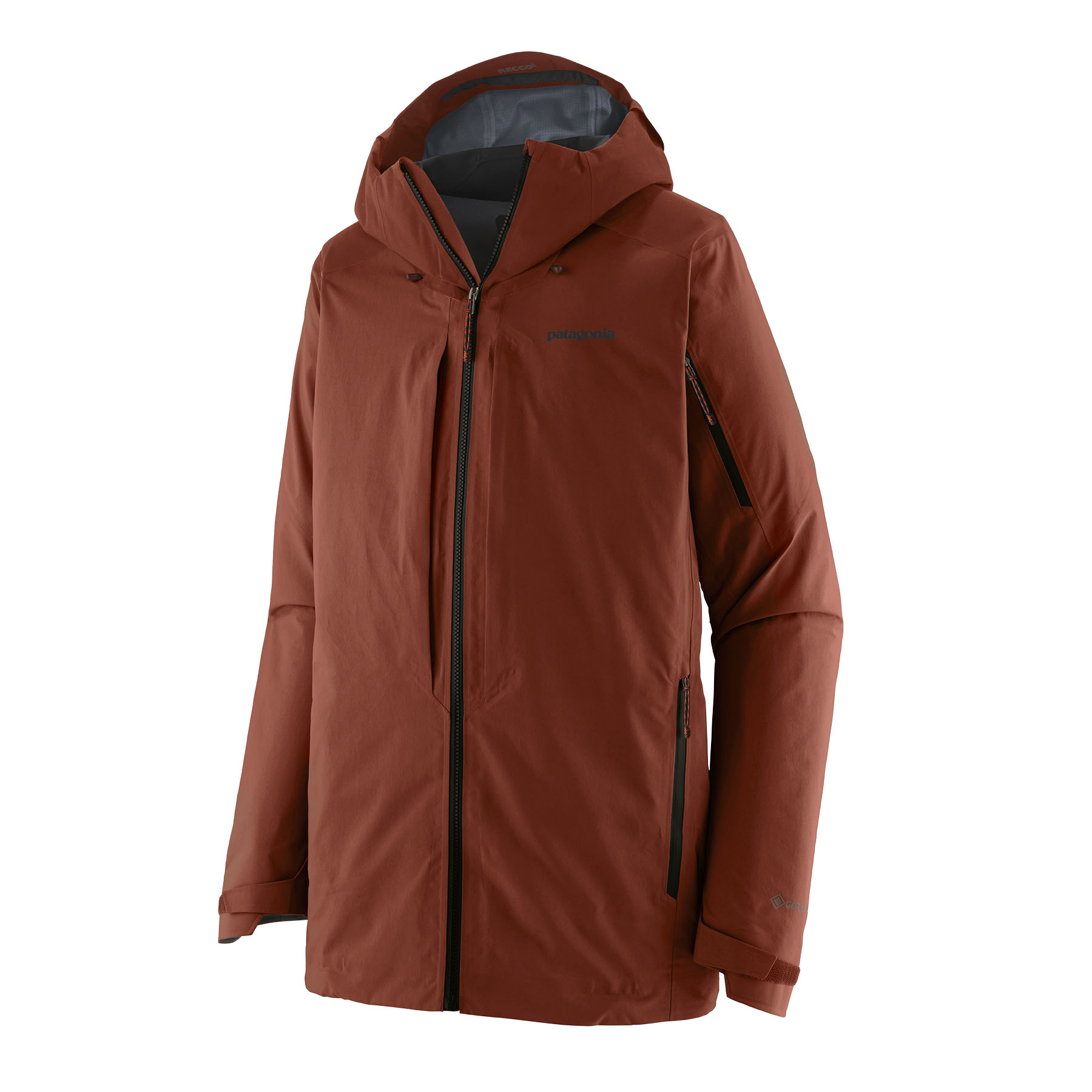
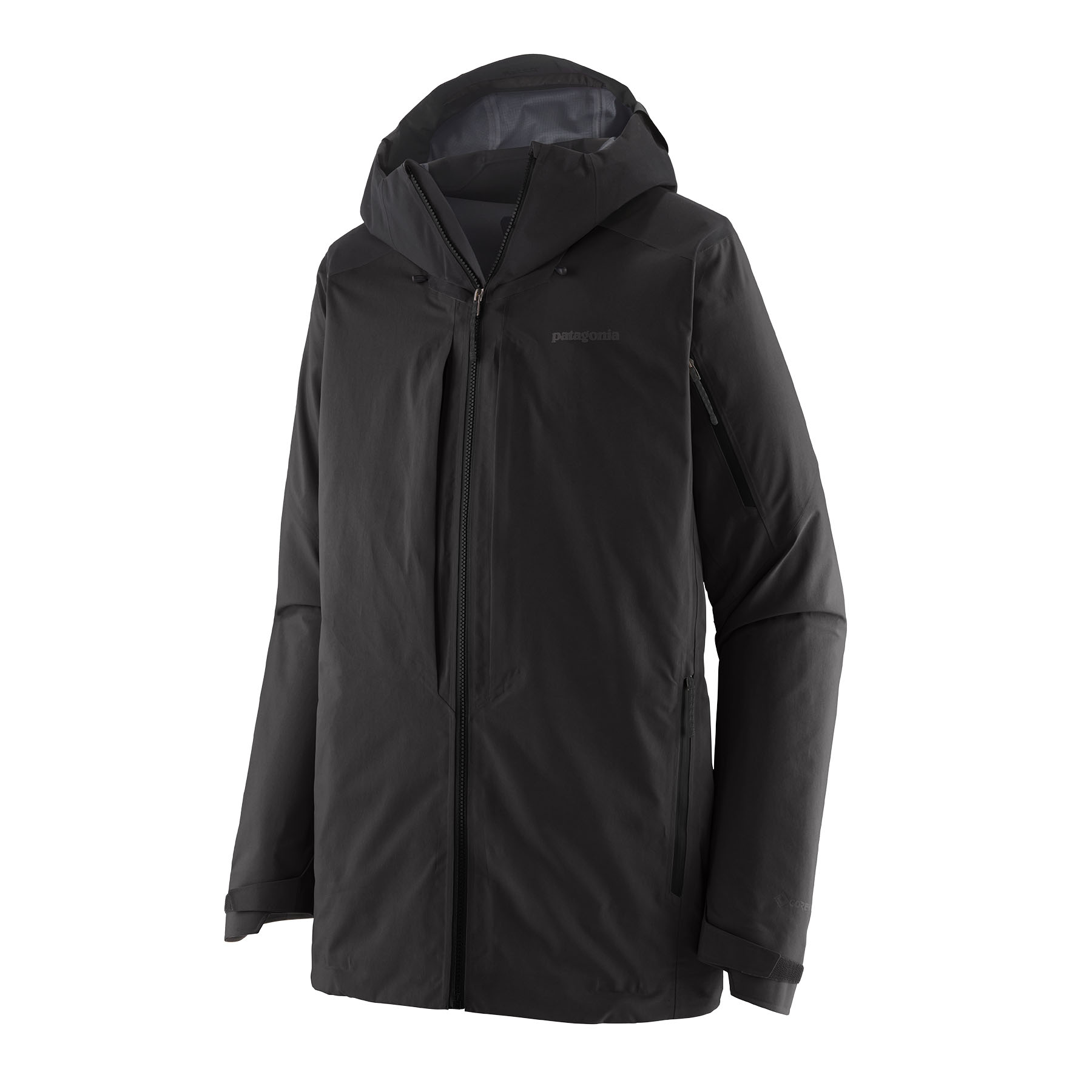
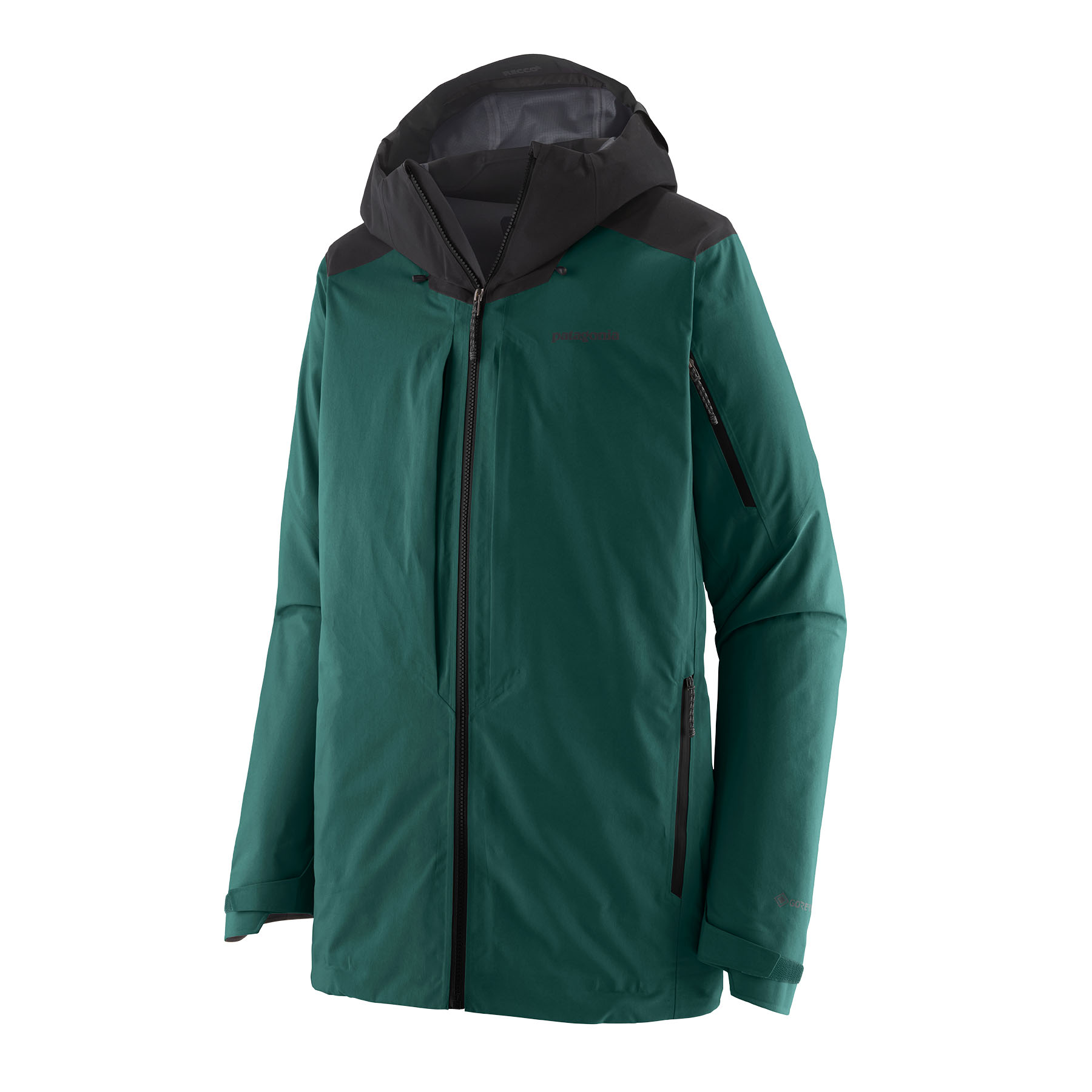
The functional details of the Patagonia Men’s PowSlayer Jacket
- Pre-shaped sleeve design
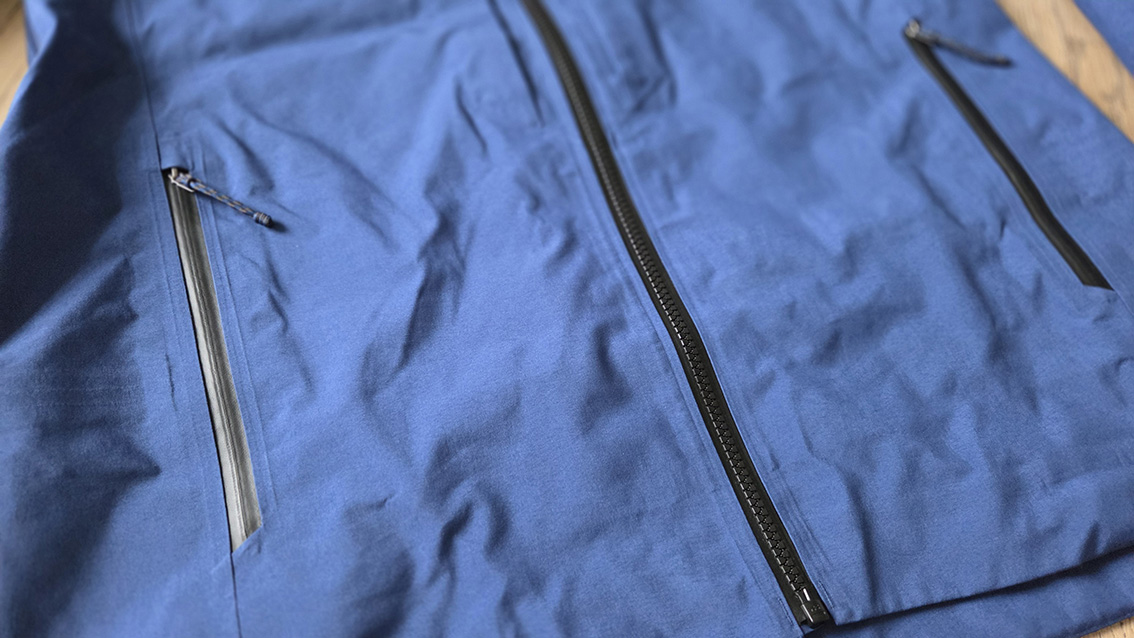
- Water-resistant Vislon front zipper
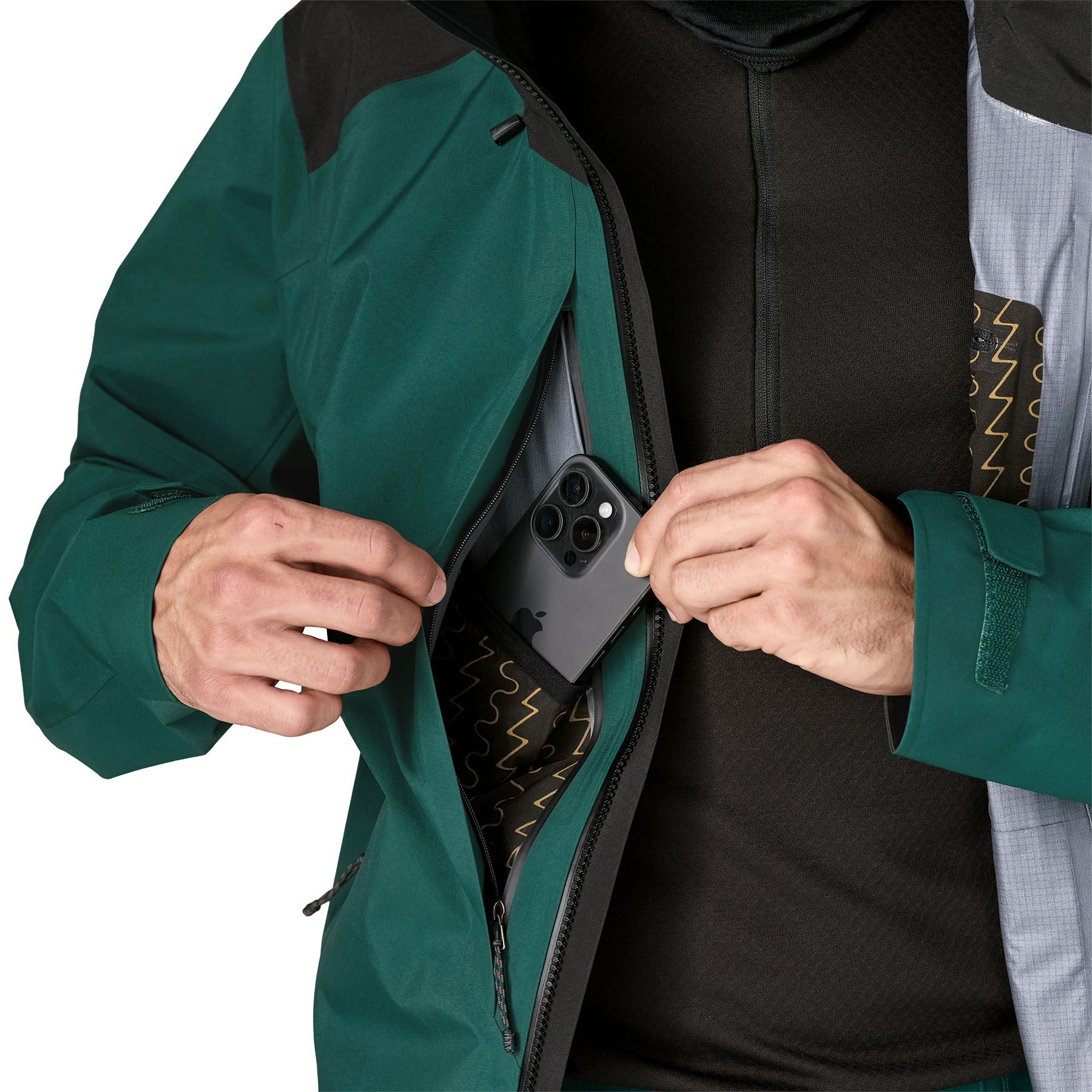
- 2 large bellows chest pockets, one with an elastic internal pocket, and one with access to the internal zipped pocket
- Shoulder pocket with waterproof zipper
- Waterproof zipped handwarmer pockets
- Underarm ventilation zippers
- Internal elastic basket pocket
- Low-profile, elastic waistband with snow gusset
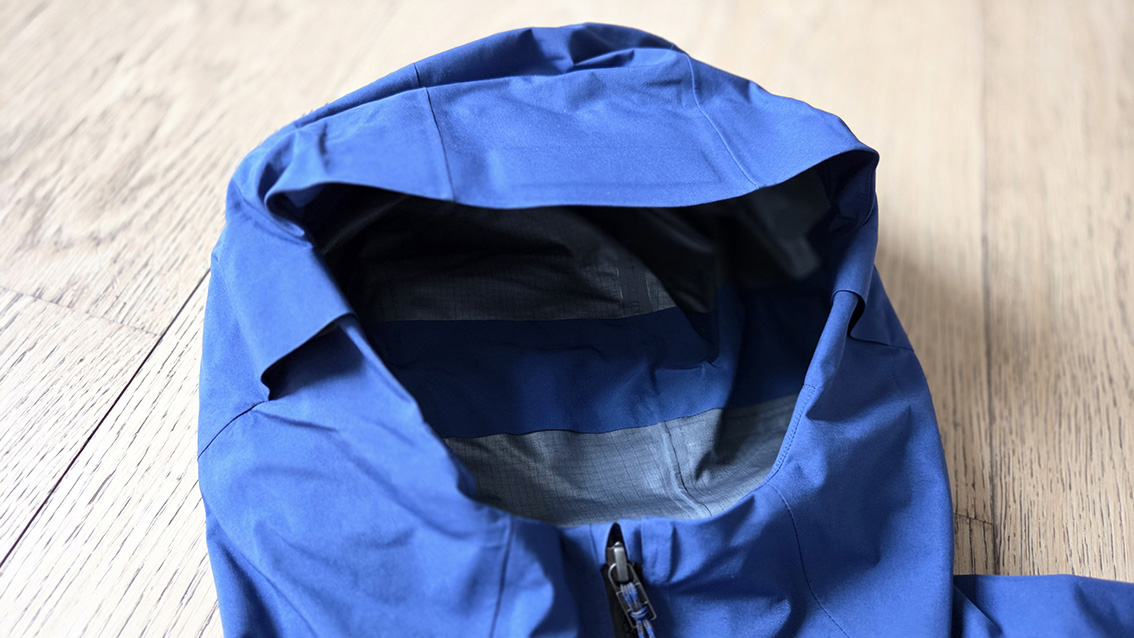
- Hood with elastic inserts
- Adjustments and laminated visor for maximum helmet compatibility
- Integrated RECCO reflector
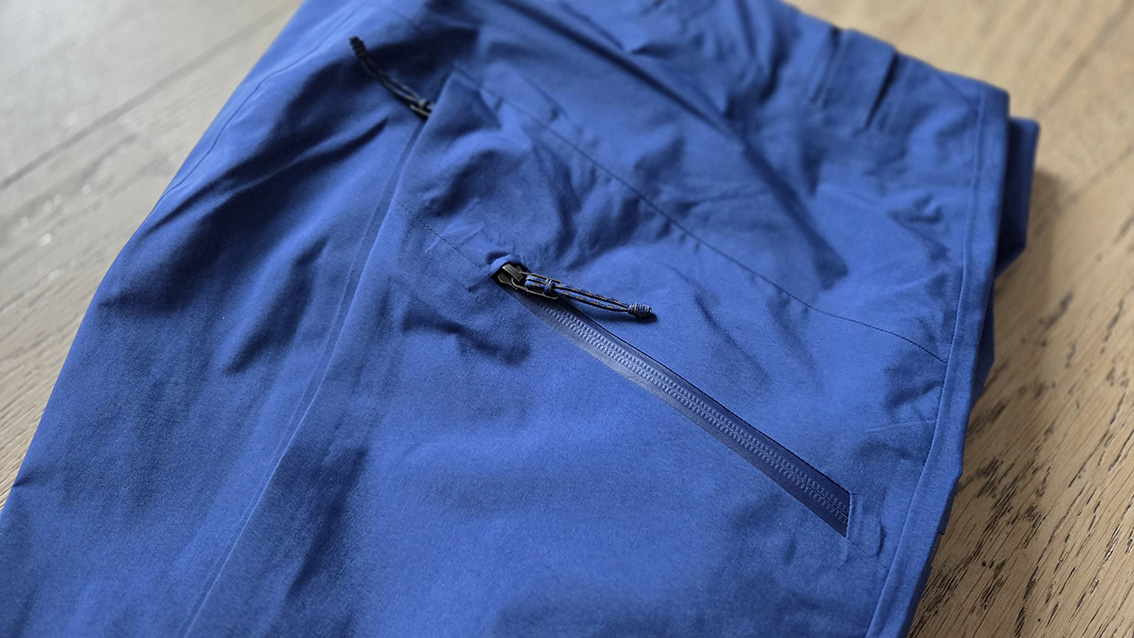
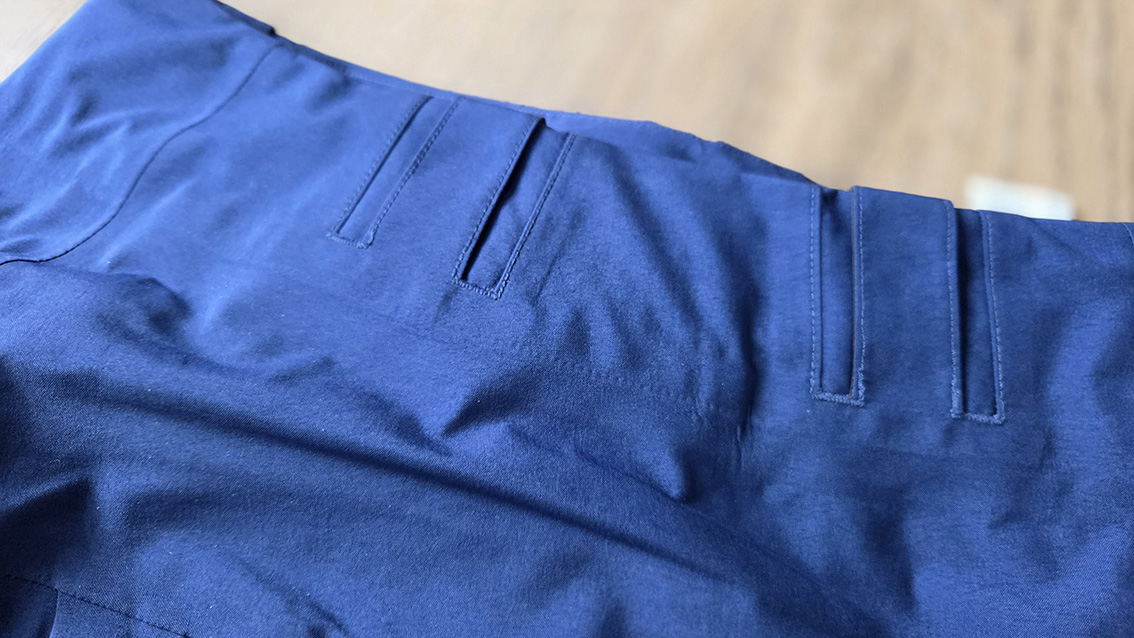
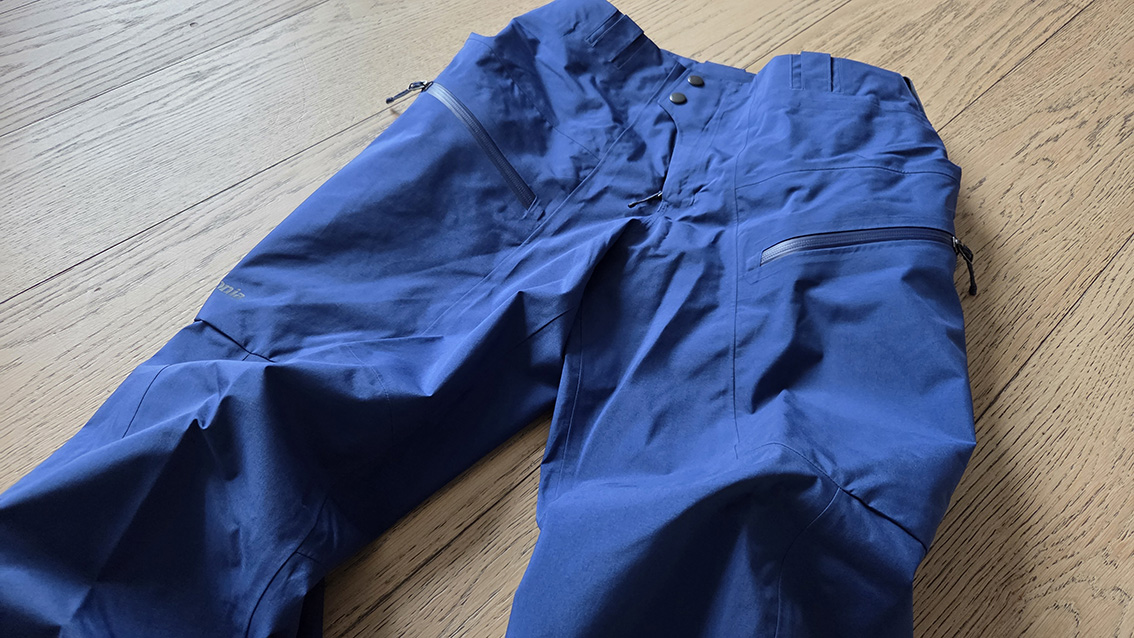
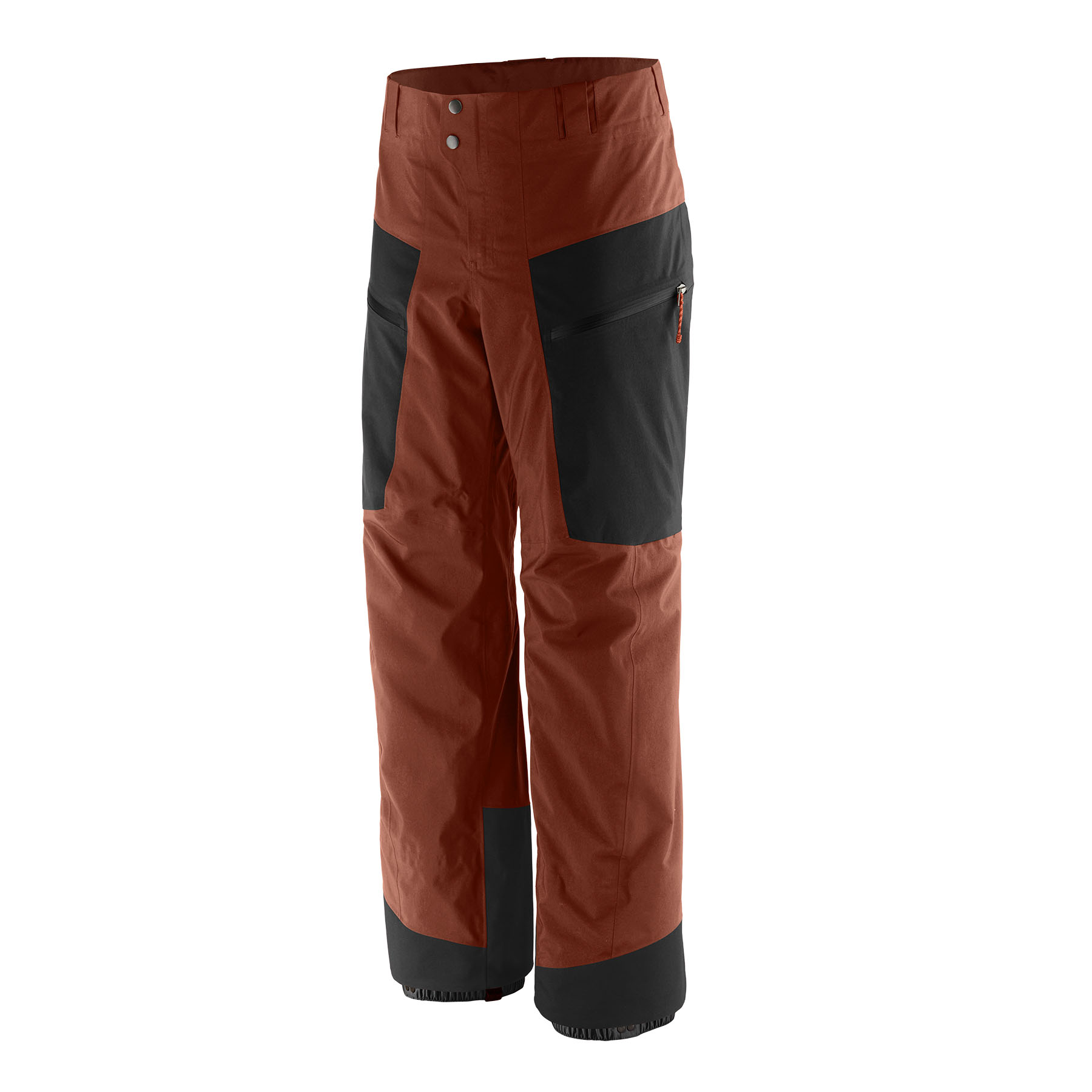
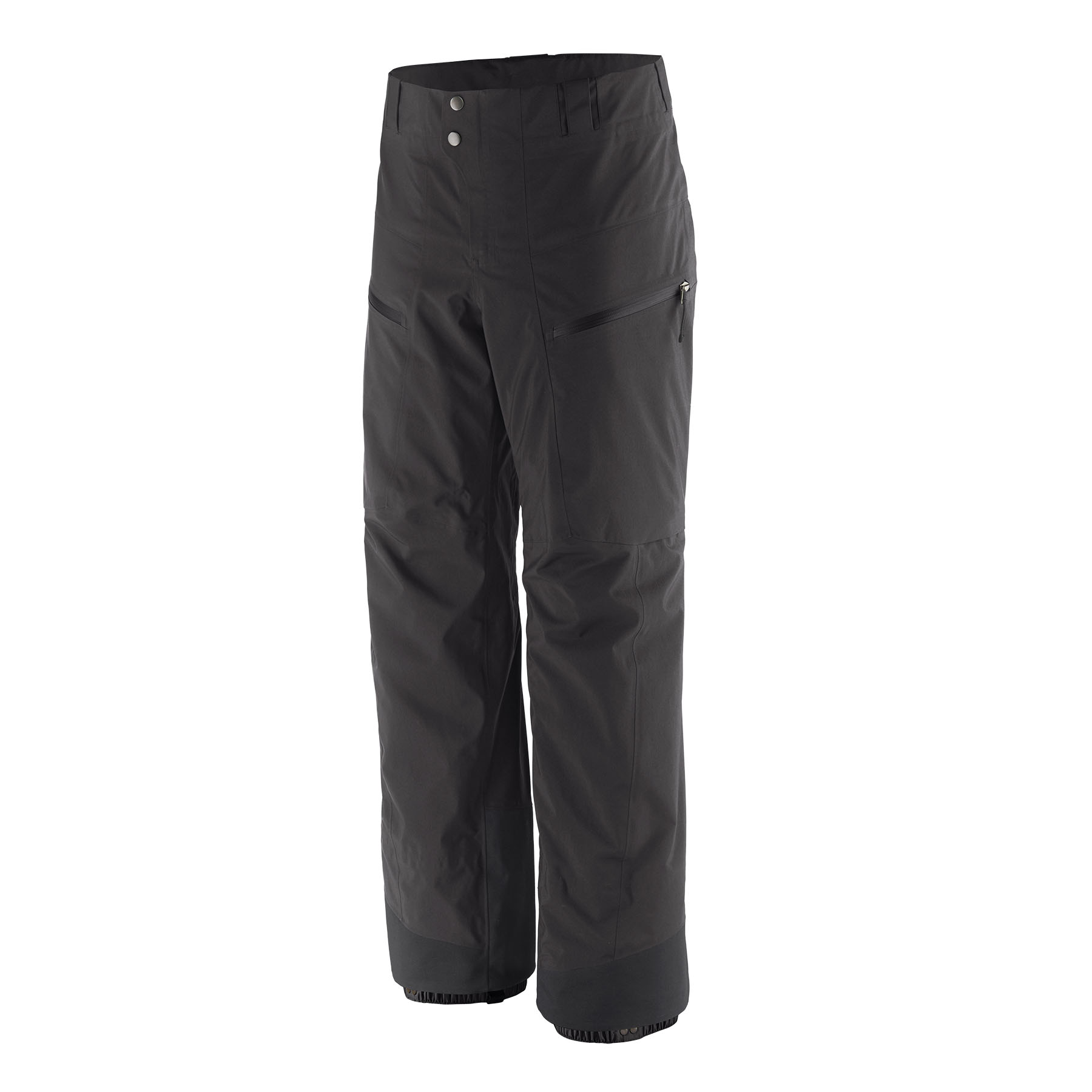
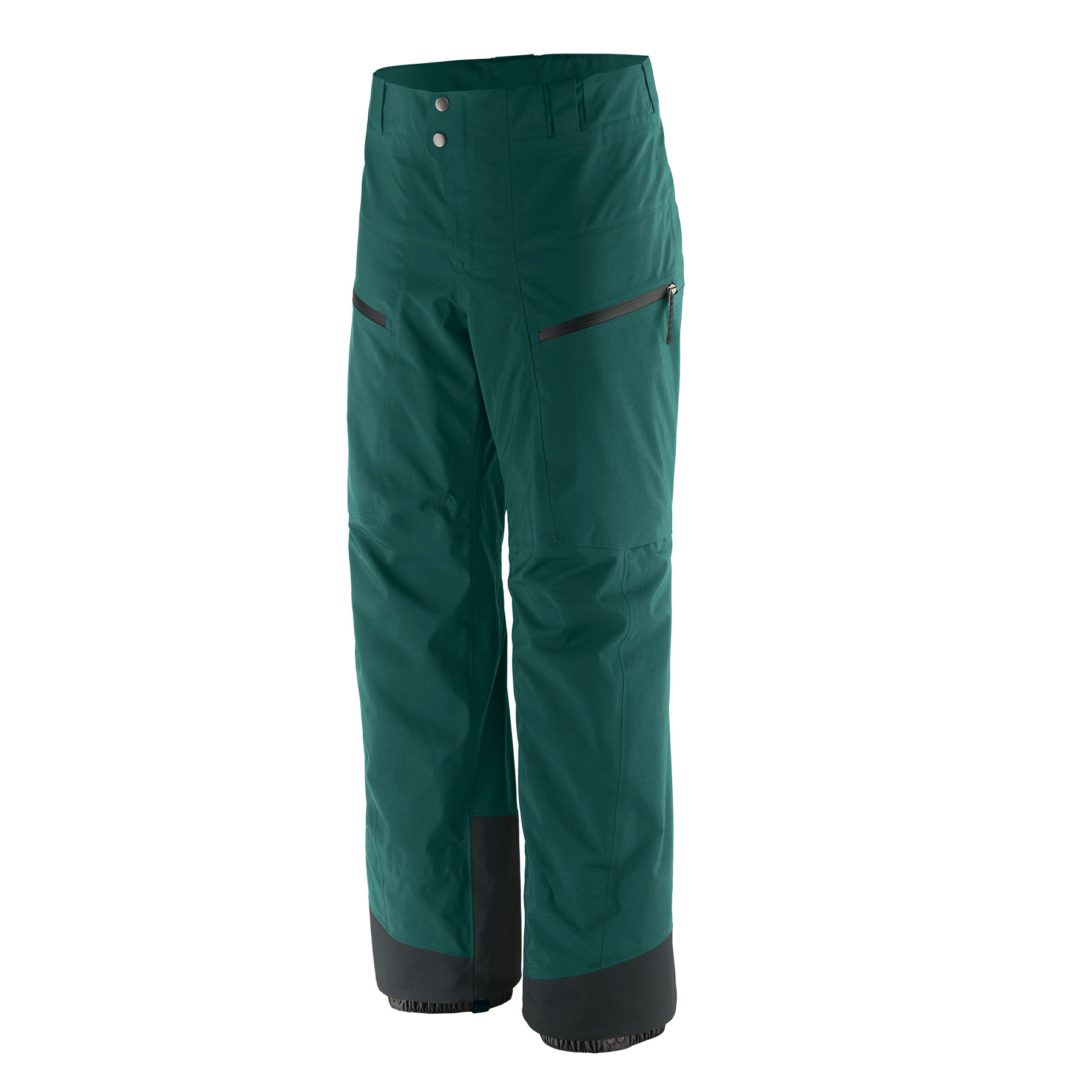
The functional details of the Patagonia Men’s PowSlayer Pants
- Size adjustment with internal straps
- Integrated belt loops at the waist
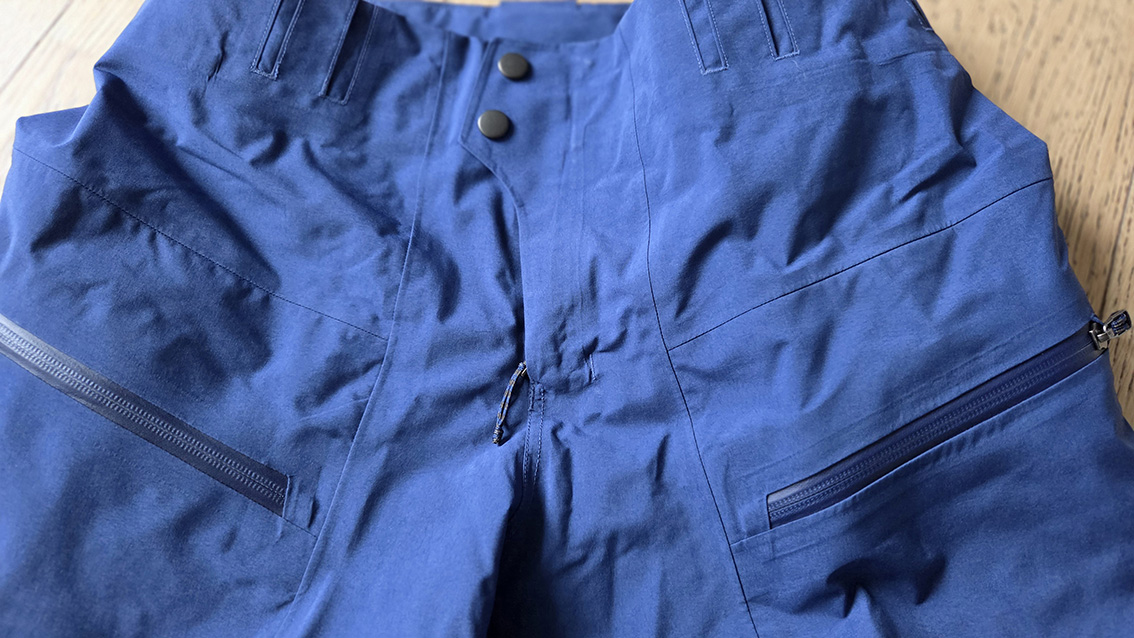
- Double button and low profile fly
- Two large cargo pockets with gusset
- External Vislon ventilation zippers at thighs
- Articulated knee cut
- Preformed structure
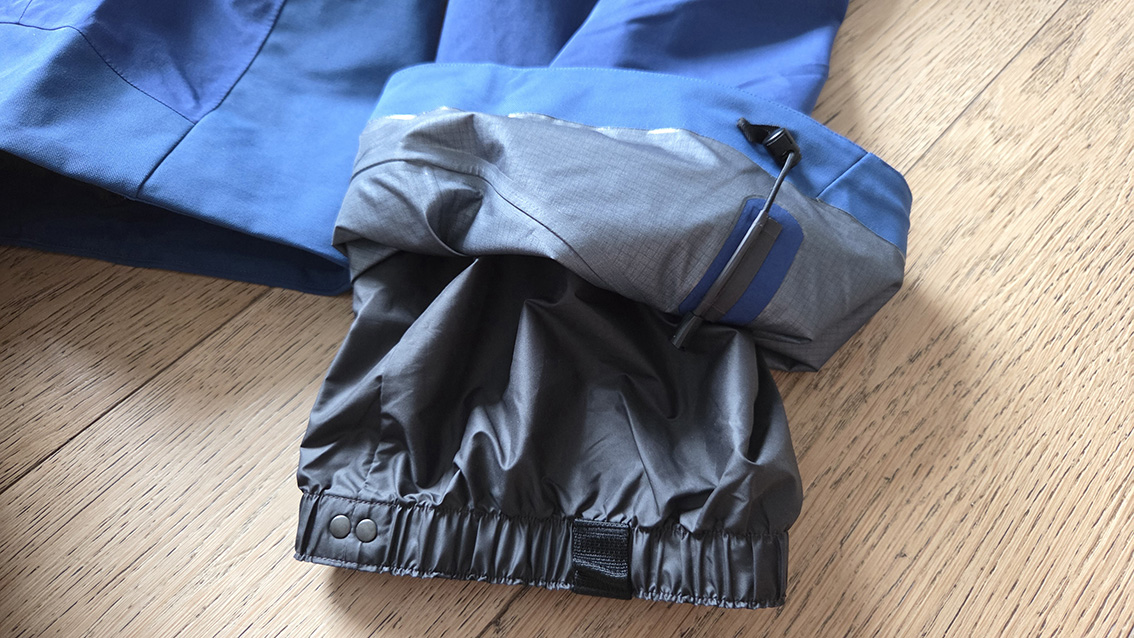
- Wide bottom with fabric reinforcements and gaiters for boots
- Integrated RECCO reflector
Intervew – PowSlayer Freeride Kit
We interviewed Eric Wallis – Product Line Manager, Snow and Mountain Bike and Maggie Elder – Senior Product Designer, technical outdoor products
First, can you introduce yourselves and tell us what you do at Patagonia?
Eric: I am the global product manager for the snow and mountain bike divisions.
Maggie: I am a senior designer of technical outdoor sporting goods.
What is your relationship with snow and the backcountry?
Eric: I grew up in Lake Tahoe, California, and have been skiing and snowboarding since I was two years old. I love spending days in the mountains and venturing into the backcountry searching for new lines in the fresh snow. Always safe, of course. This is what I live for.
Maggie: My dad taught me to ski when I was little. He’d pick me up from school and take my brother and I to a small ski resort with just six runs near our home in Ohio. When I was 10, we went skiing in Colorado: seeing the real mountains left me speechless. It was love at first sight, and from then on, we always went on vacation to the mountains. I’d follow my brother off-piste and we’d go hunting for fresh powder.
How do you develop Patagonia clothing, especially freeride clothing?
Eric: We seek the right compromise between people’s concrete needs and the safety required for the most extreme descents.
Freeriding is a downhill-oriented discipline, so maximum protection is needed to deal with storms, falls, lunch breaks, and snowpack testing. It’s a very physical sport, both downhill and uphill. Our freeride gear puts safety first.
The differences between our freeride and ski touring gear are subtle but crucial. Ski touring gear fits more snugly and is more breathable and comfortable for tackling challenging climbs. Freeride gear, on the other hand, fits slightly looser and is longer for maximum protection on the descent.
Maggie: When I design outdoor clothing, I pay attention to every single detail, especially fit, functionality, and freedom of movement. This freeride kit was quite a challenge. It wasn’t easy to include all the necessary features without adding weight or hindering movement in the mountains. I created numerous prototypes in the lab, perfecting every single detail, like the depth of the pocket gussets and the positioning of the articulation, and then integrating them into a system designed to improve every mountain outing. I use the same approach for most of my products, solving different problems and focusing on different areas of use.
When did you release the first PowSlayer kit and what is it for?
Eric: We introduced the PowSlayer in 2007. It was designed for demanding skiers and snowboarders who test their limits on challenging backcountry terrain, always in search of the perfect powder.
For extreme freeriding on steep, challenging lines and fast descents. It’s not so much about tackling technical climbs with ropes and harnesses, but about hurtling across challenging terrain.
Why was it revisited?
Eric: We were among the first to adopt and test the new GORE ePE and have helped bring every evolution of GORE-TEX products to market. From the beginning of the transition to ePE, we knew it would be a few years before GORE introduced a professional-grade version of the ePE membrane with a PFAS-free DWR treatment.
That’s why, behind the scenes, we spent those years improving the design and fit, taking community feedback into account so we could implement the necessary changes as soon as the new GORE PRO ePE was released. We discovered that many features needed to stay as they were: it’s crucial to keep what works well and optimize what can be improved.
This was all achieved by fall 2025, and we have integrated it into the entire system.
Which ambassadors contributed to the new design? And what’s been the reaction from the snowboard community so far?
Eric: All our ambassadors contributed in different ways. Over the years, they continued to give us feedback on the previous version, identifying weaknesses in the design or construction and sharing their opinions on pocket volume, fit, vents, snow gaiters, hood adjustment, and other practical details. This allowed our design team to focus on the features that needed improvement.
We also held roundtable discussions to ensure we didn’t overlook any details, taking note of ideas for future developments. Once we received the prototypes with the new fabric, we went to test them with a group of ambassadors in El Chaltén, where the Fitz Roy logo was born. Other ambassadors tested subsequent prototypes throughout the season in the mountains near them.
We concluded with a final test in Revelstoke, British Columbia, where we made final decisions.
How is a kit like this tested? Do you have any funny stories to share?
Eric: After testing the performance of the materials in the lab, we move on to the field, and then back to the lab to test the garments’ durability. Then they’re subjected to aggressive wash cycles, abrasions, simulated rain, tears, and other stress tests, to reproduce a product’s entire life cycle. Then, we test the waterproofness and durability again to ensure everything is working properly.
As for the anecdotes, it was always fun because we were in the mountains! We delivered about 12 different versions of the Nano-Air Ultralight Freeride midlayer to our ambassadors, and almost everyone particularly loved the same hybrid model and fit. They didn’t even want to give them back, but we had to let other people try them. It became a daily challenge to find them; some even took them home, refusing to give them to other testers. We couldn’t have asked for more.
A funny story (sort of) from our trip to El Chaltén: after a long day of hiking to Fitz Roy, we had another 10 kilometers to go. I continued on, knowing I was going slowly, but I took the wrong path before the guide and the group reached me. It was almost an hour before I realized it. I stopped only to be confronted by a breathtaking view of Fitz Roy from an angle I’d never seen before! Some of the group came back to find me. They didn’t seem too happy. But now we have a great story to tell.
Maggie: As Eric said, we do a lot of testing in the lab, but we need to do just as much on the mountain, in real-world settings. I love being in the field with our ambassadors as they test the gear. I think there’s no better feedback. When I see someone unbuckling a shoulder strap every time they need to reach a pocket, I know I need to reposition the pockets to improve access. And if someone pulls up their pants with every step, I know I need to adjust the joint position. There are so many little details I notice just by watching people use our gear—things I don’t always notice, but often make a big difference.
And yes, we lost Eric on the way back to Fitz Roy. I was one of two people who reluctantly went back to look for him, his legs and feet shattered. At least he enjoyed that beautiful view of the mountains!
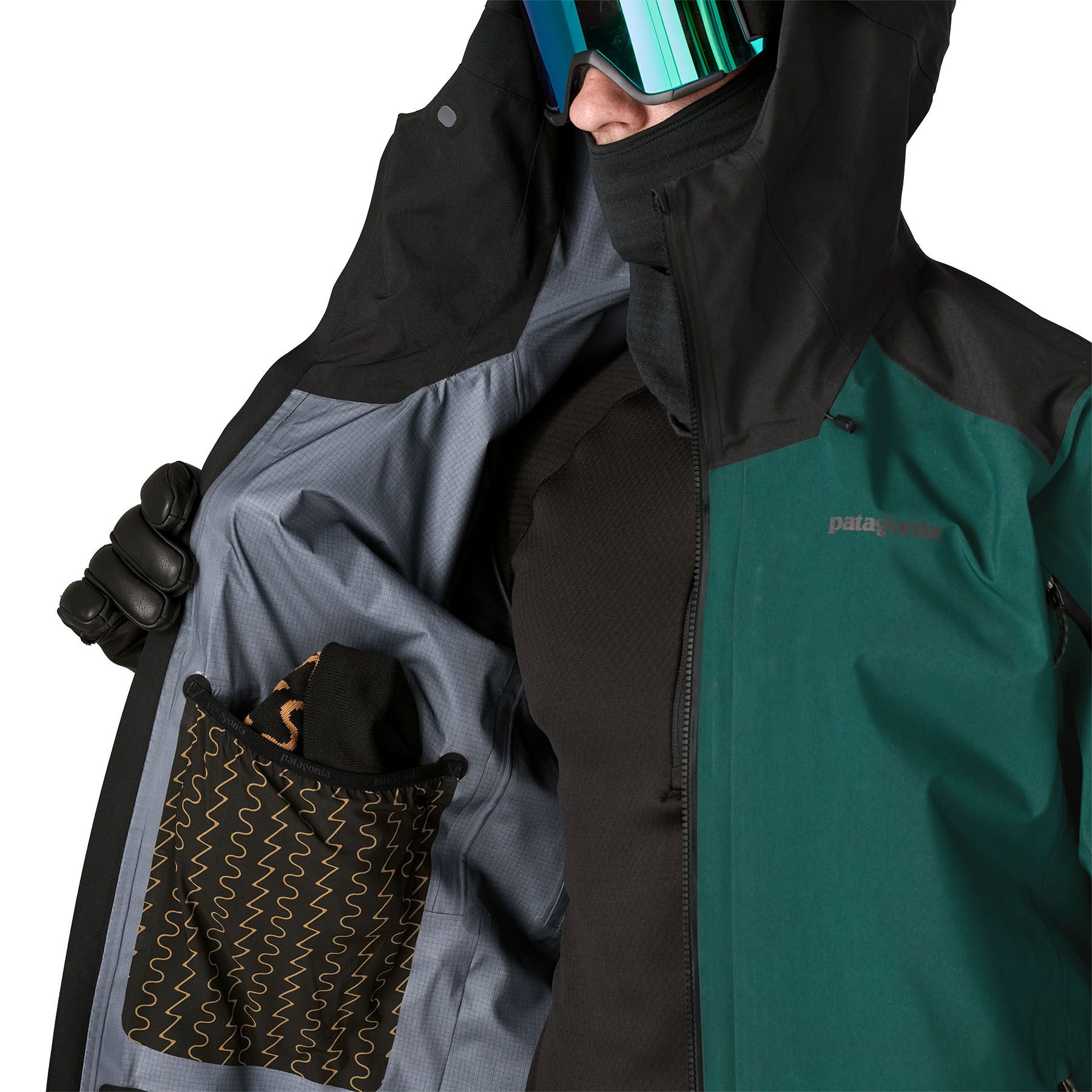
The new PowSlayer kit is made without intentionally added PFAS, and it’s the first time GORE-TEX PRO ePE has been used in skiwear. Has anything changed in terms of performance?
Eric: After our field tests, we can say that the waterproofing is the same. The new GORE-TEX PRO ePE laminate is in line with the standards of the previous generation.
We’ve heard that the new membrane might be less breathable than previous PFAS versions, but we honestly haven’t noticed any differences. The new fabric, however, is lighter and softer. The three-layer construction
It weighs less and is softer to the touch, which improves freedom of movement and breathability.
How do we extend the life of our garments and maintain their waterproofness for as long as possible?
Eric: Washing and drying waterproof/breathable gear is essential. It always has been, but now it’s even more important.
PFAS-based DWR treatments were more resistant to sebum and dirt. Newer chemicals are just as effective, but tend to soak into the fabric when it gets dirty. Washing removes contaminants like sebum, sunscreen, or grease, while drying helps redistribute and restore the DWR treatment.
Waterproof products need regular care, just like you would a pair of skis or a cast iron skillet. Many people think washing damages waterproof shells, but in reality, that’s exactly what keeps them working.
Maggie: Yes! Always wash waterproof garments with a gentle detergent and dry them on low heat. This is the key to making them last longer.