




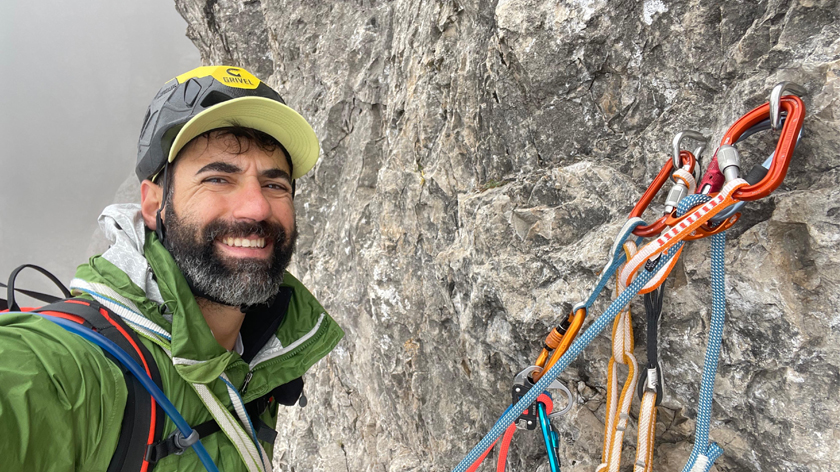
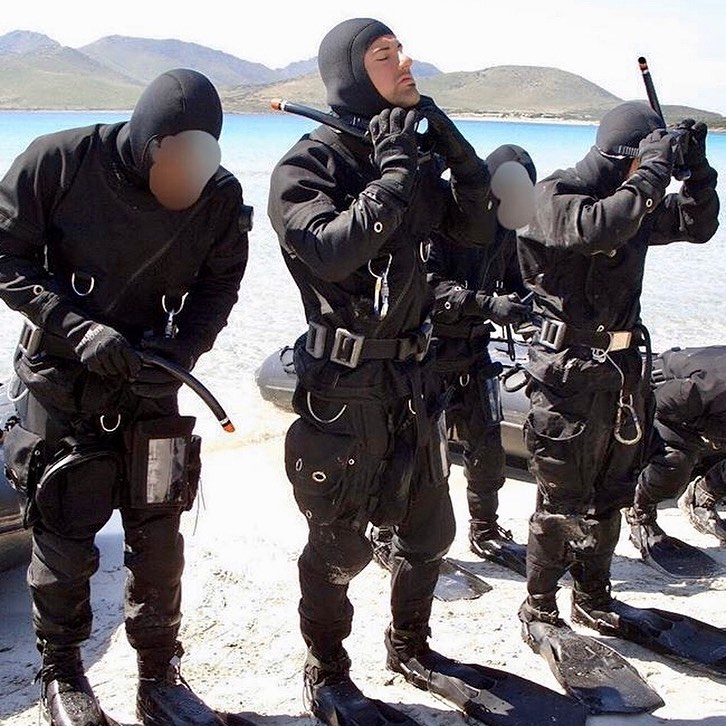
Seventeen years in the army. After his discharge from the Special Forces, Luca Fois wanted to test himself with a mountaineering project in the Dolomites. Is physical and mental preparation for high-stress situations enough to navigate the wilds of the high mountains? We asked the protagonist of this adventure to explain.
4Outdoor is also on Whatsapp. Just click here to subscribe to the channel and stay up to date.
Luca fois, the Interview
Hi Luca, your Instagram profile name is “The Quiet Italian,” but as we’ll see, you’re not very quiet. Where are you from?
I was born in Sardinia and moved to Milan in the 1990s, where I lived until enlisting in 2004, the year of my last military service. I spent the following years in the units where I served, so for about twenty years in Tuscany.
So you didn’t take advantage of the opportunity to skip the draft, like most able-bodied boys did?
No, at that time, to postpone conscription, all you had to do was declare that you were a high school graduate, as I was. However, after deferring to finish my studies, I asked to waive it, enlisted, and subsequently signed for another year. Then for the next four, etc.
When and why did you enlist?
I lost my father, and as a teenager in Milan, I met several young men discharged from the paratroopers’ draft. Their stories conveyed a positive sense of belonging, camaraderie, and team spirit—something I longed for, feeling unfamiliar with the city where I lived.
Once you joined the army, what direction did you take over your life?
I can say it’s been a constant growth. We could compare the Army to a large, healthy company, where if you have the skills you can advance your career, from the bottom to the top. After my military service, I actually asked to join the airborne troops, the paratroopers.
Military jumps, however, are tethered, you are tethered to the plane and the parachute opens by itself, it is a hybrid skydiving and so I wanted to try new experiences.
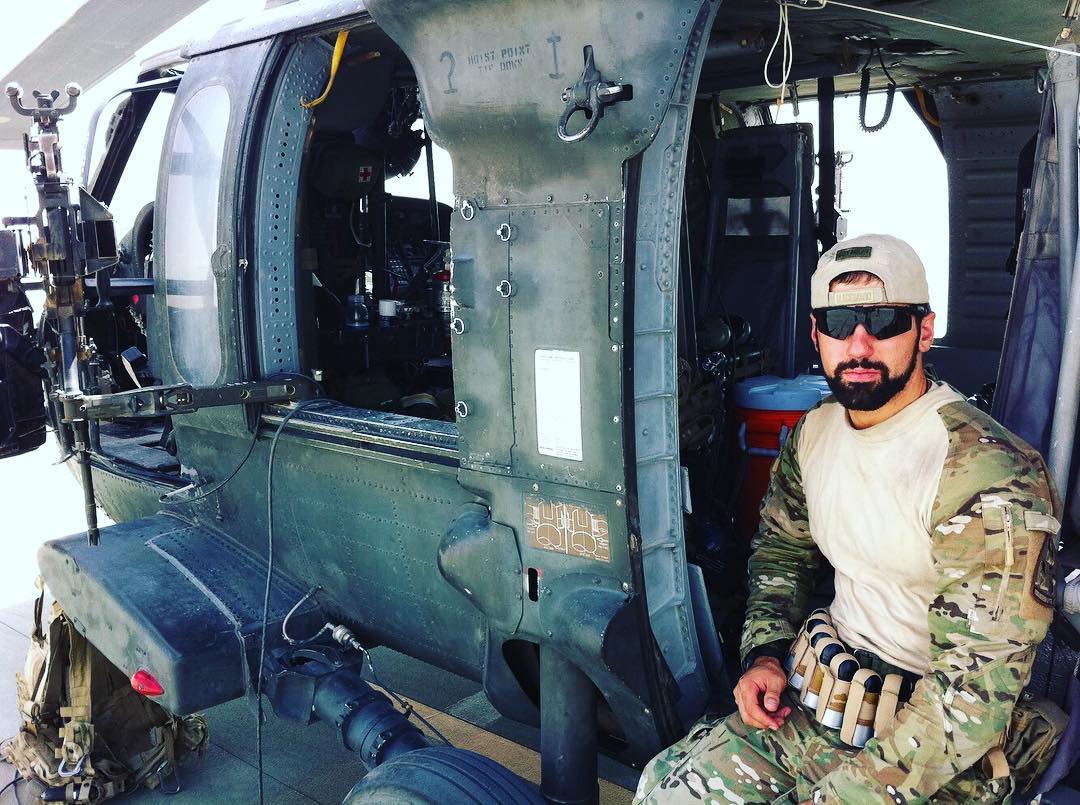
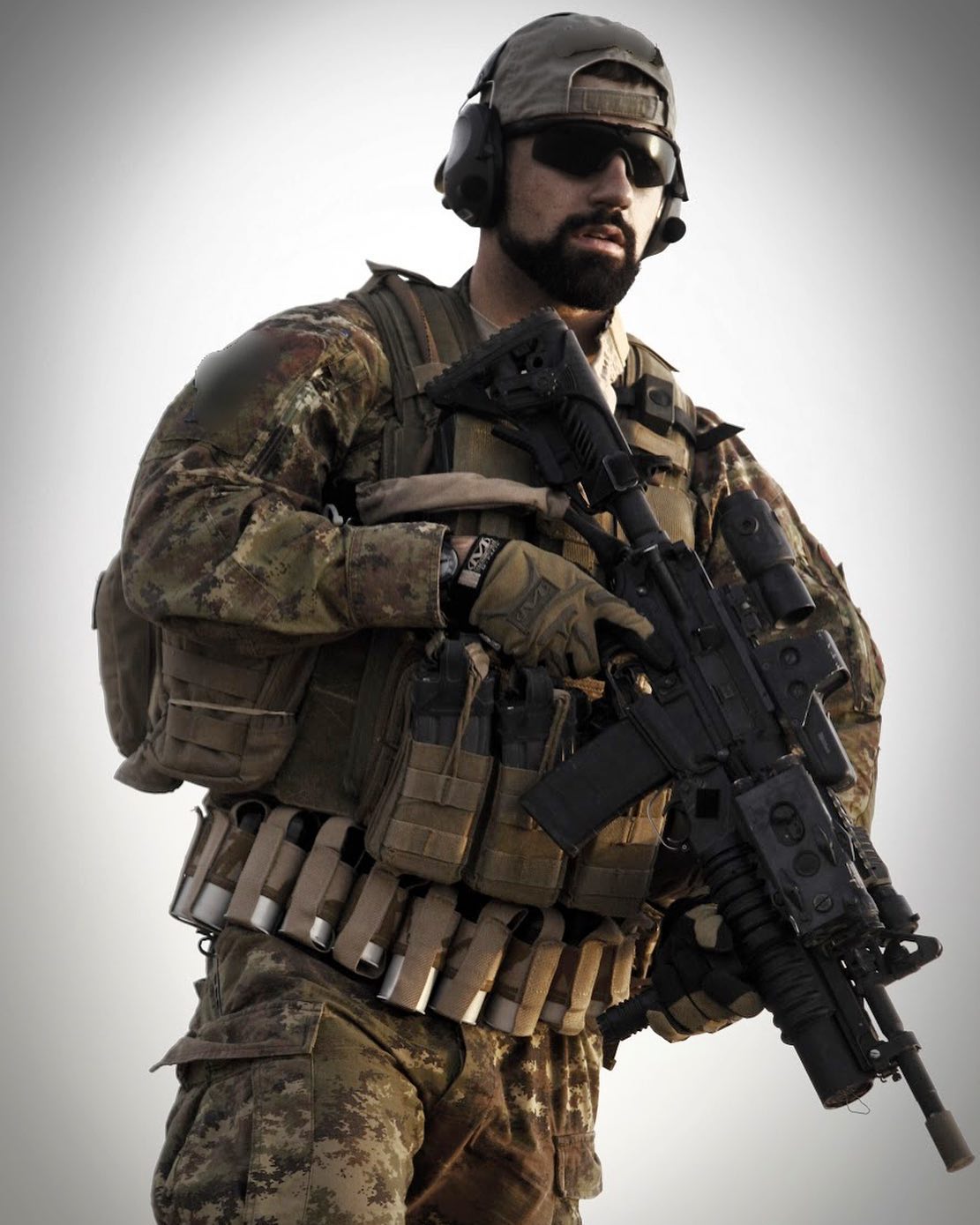
I then applied as a Special Forces Support Operator (as the unit was called at the time, now TIER 2), and became a Reconnaissance and Target Acquisition Officer, handling information gathering operations and conducting long-range fire. In that role, I served three tours in Afghanistan. That experience encouraged me to advance to the next level, TIER 1. I passed the selection process for the 9th Col Moschin Parachute Assault Regiment, the Army’s Special Forces, and became a Raider in the Italian Army, assigned to counter-terrorism.
We know more about the American Army than the Italian one. We’ve learned about the Navy SEALs from American films, but do Special Forces exist in Italy too, and in what contexts do they operate?
Of course they exist, but we need to clarify. The Italian counterpart of the Navy SEALs (special forces of the United States Navy) is the GOI (Gruppo Operativo Incursori della Marina Militare), and while in the “American” Army the Special Forces are the DELTA, in Italy we have the TIER 1. In the US, as in Italy, each Armed Force has a Special Forces unit responsible for counterterrorism, and in Italy, as in theirs, there are four Armed Forces: Army, Air Force, Navy, and Carabinieri (Army, Navy, Air Force, Marine Corps, Space Force, and Coast Guard in the US). The difference lies in the operational context in which each Force is expected to intervene, while maintaining a basic ability to operate in any context.
The Italian Army was employed in various post-war missions abroad, from Lebanon to Iraq to Afghanistan. Were you assigned to any of these missions?
Sure, officially I’ve been on about 10 missions.
In what sense, officially?
There are Italian missions, such as those under the aegis of the UN and/or NATO, in which there is an overt national commitment, the so-called peacekeeping missions. Then there are a series of classified missions, legitimized by Law 198 of 2015, for which Special Forces intervene in support of the Secret Services.
This is why only official missions appear on my CV: Lebanon, Afghanistan 3 times and Iraq twice (after Saddam’s regime).
What did your experience as a soldier give you and how did you decide to leave?
Let’s start with the second part. A work environment like the one I was involved in is all-encompassing. The network of friends becomes familiar, it revolves around the profession, and no one wants to abandon that brotherly atmosphere, so everyone masks one problem or another to stay there. I, like many, had injuries sustained on duty, which I “masked” to remain operational. Then in 2019, my first child was born, and I asked to skip a shift, assuming paternity leave. There was a serious incident in Iraq, with four soldiers seriously injured, and my wife and I began to question the risks I was taking. So I decided to extend my break by becoming a Special Forces instructor. Then, in 2021, my second child was born, and I began the process of medical discharge and therefore discharge due to incapacity for service.
How did you get to the mountain?
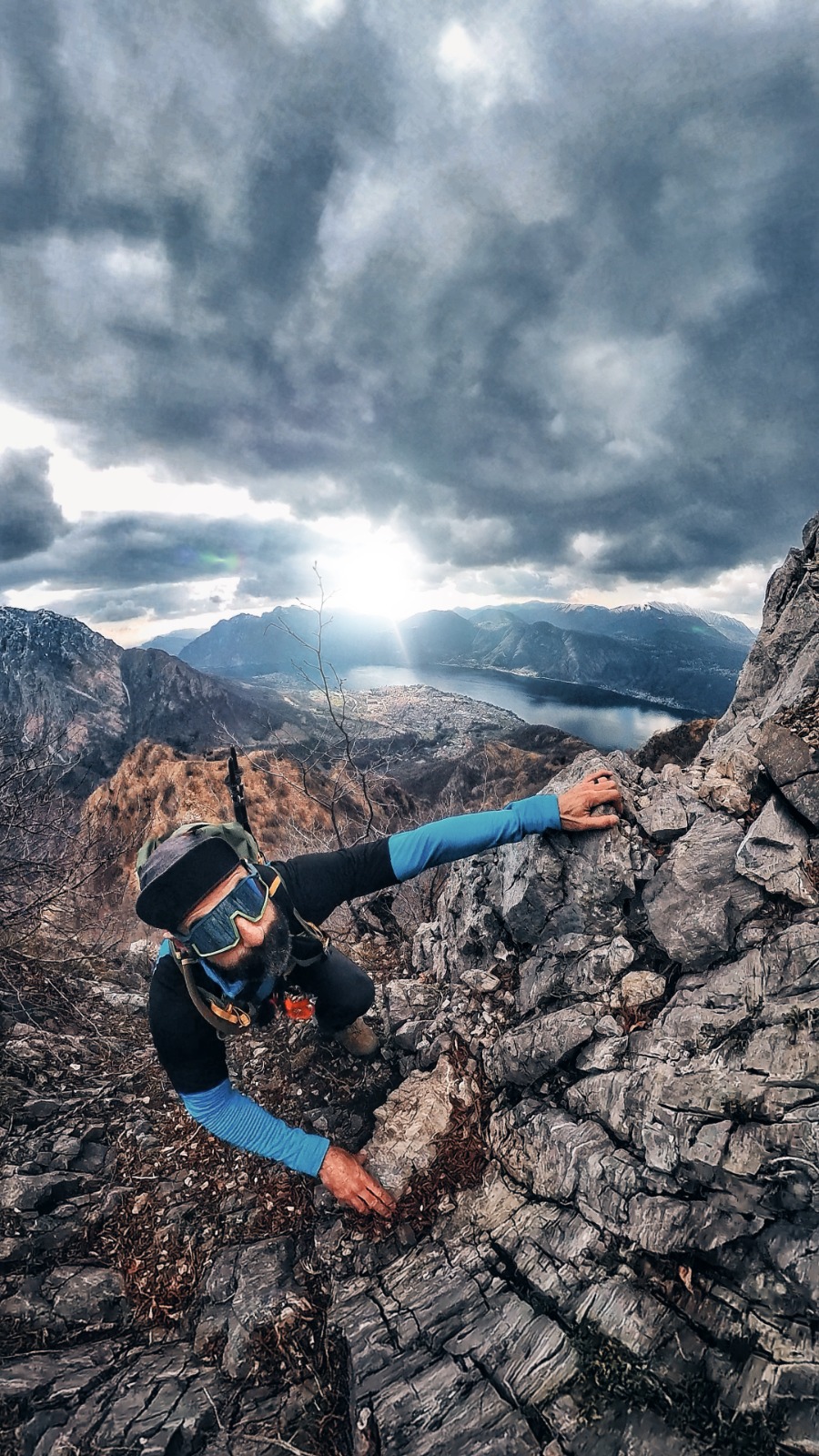
At that time I was recovering, I had to stay home and respect the schedule of my check-ups, but at night I could go out and I started moving around the mountains on my own.
I began talking with some friends about the desire, once I was free to move, to dedicate myself to a project in the mountains that would demonstrate how, even without specific skills (such as being a mountain guide), but with great determination, preparation, and versatility, it is possible to achieve a goal, a record. Thus was born the idea of the “86 Dolomites” project, the Record of reaching, with one push, 86 peaks in 86 days above 3,000 m in the Dolomites.
How long did the preparation for departure last?
About a year and a half, but consider that I was self-taught, so I asked a friend for advice on how to prepare for an endurance activity and then I set up a support team, a small group of ex-military “runaways”.
Had anyone already attempted this link?
There is nothing official or measured, Franz Nicolini had unofficially done something similar, climbing about 75 of them.
We were saying that the goal was to chain the one-push peaks, right?
Yes, I wanted to link as many of them as possible, staying at altitude as long as possible and losing as little altitude as possible, camping in vehicles at the base of the mountains.
What went wrong?
We should have left earlier, June was ideal but we left in July and in July in 53 days of “mission” there were 18 days of rain, and snow on the peaks.
Furthermore, my inexperience contributed to poor management by the Alpine Guide. Due to several factors, it was harder than expected: the weather and the fatigue tested me, and after days of waking up at 3:00 or 4:00 in the morning, my health took its toll. The location also affected my motivation. Many of those planned summits are truly ugly; the rock is terrible, and even where the climbing is low, the routes are unprotectable. They truly seem inhospitable.
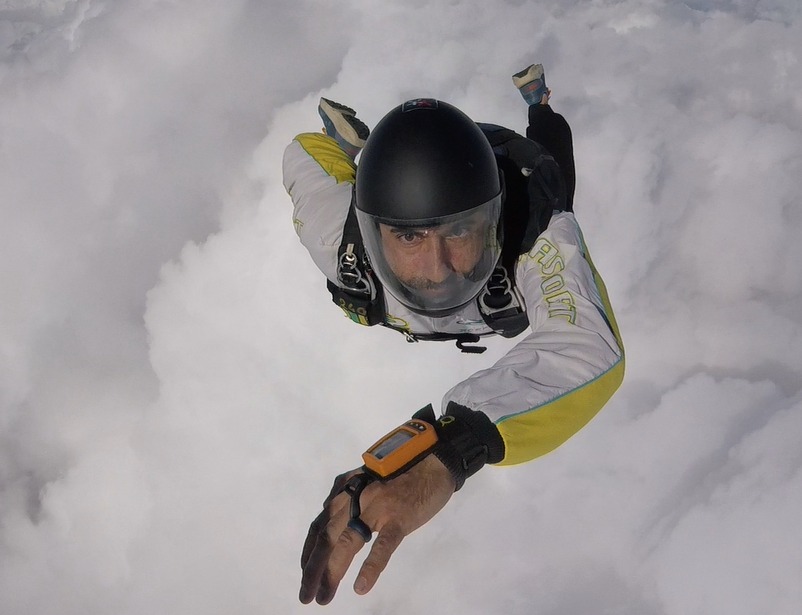
Did having received a certain type of training and having found yourself in extremely high-stress situations, such as those experienced at the front, represent an advantage during this experience in the Dolomites?
I think so, in terms of soft skills. I didn’t have the mountaineering training to make up for the need for a mountain guide; rather, my risk management skills, my ability to collaborate in small teams, and my ability to plan were helpful. This experience was absolutely applicable to the context.
How many people were on the team?
Three people (all with military experience) rotated for three or four days. They were assigned tasks: some took care of logistics, some provided medical support, some acted as escorts. Everyone quickly learned how to support the final objective and helped me.
Of all the things that didn’t work, the team did. The team didn’t fail; I failed, my body. We could have completed 70 summits; to do more, several stars would have had to align.
Do you see a parallel, on an emotional and motivational level, between training and operational missions, and mountaineering planning and activity?
Much of a soldier’s work is tied to a sense of responsibility toward those who work with him. I felt a sense of responsibility toward the team, but I achieved many of the heights alone. In that context, I felt loneliness, something that never happens in military life. Among soldiers, there are always at least two; they say: two is one and one is none.
A good number of mental mechanisms were activated, but for certain operations I’ve experienced, the motivation was quite different because it stemmed from a great responsibility—for my teammates, the department, and the nation. However, I believe my career and my experience have been instrumental in getting where I am today.
Do you still have the desire to prepare a new project?
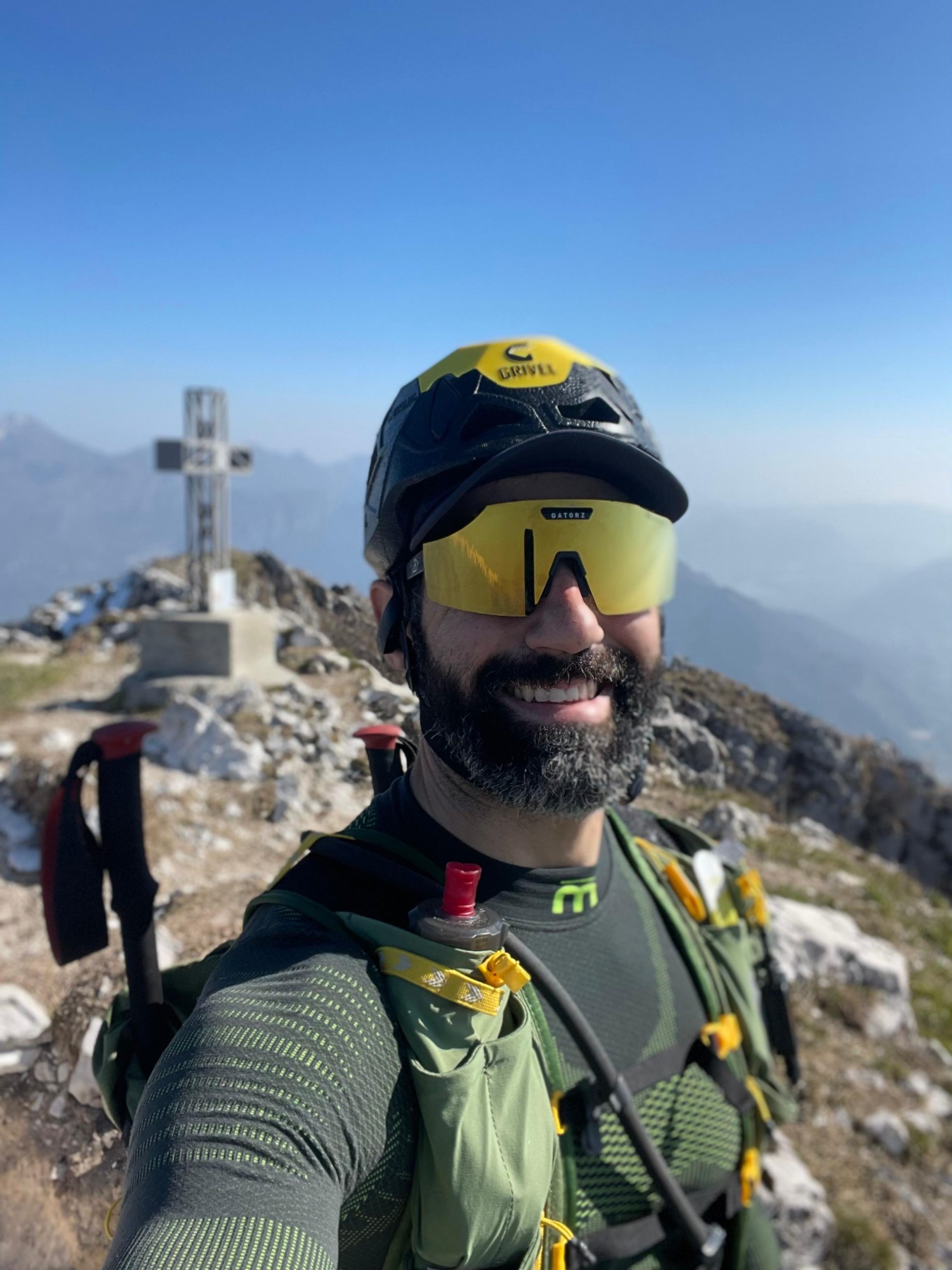
Yes, I’ll take a year off, during which I want to try to set a couple of indoor records, then I’d like to return to the mountains. But I don’t think the Dolomites.