






Snowboard racing, alpine skiing and cross-country skiing tell the same story: precision, control and power transfer increasingly depend on technology.
4Outdoor is also on Whatsapp. Just click here to subscribe to the channel and stay up to date.
From Performance to System: What Remains of Milan Cortina
With the Milan-Cortina 2026 Winter Olympics now over, one statistic remains that marks a turning point: 30 overall medals, Italy’s best ever. This result confirms the movement’s growth, but also highlights a deeper shift: today, performance is increasingly the result of a system in which athletes, preparation, and technology work together.
In contemporary winter sports, the margin between victory and the podium is measured in minute details. It is in these spaces that the evolution of materials and technical solutions is taking on a decisive role.
Snowboard racing: the limits of traditional materials
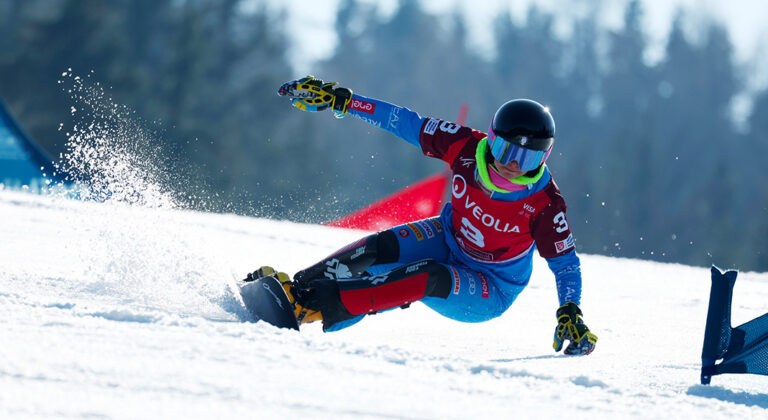
In the world of snowboarding, this is particularly evident in the parallel disciplines. Athletes like Lucia Dalmasso—Olympic bronze medalist in the parallel giant slalom at Milan-Cortina 2026 and a World Cup contender in the 2025/2026 season—compete in a context where controlling the trajectory also depends on direct contact with the snow.
During cornering, the hands become a true support point. The glove is subjected to constant stress, including friction, pressure, and speed. Under these conditions, materials like leather and Kevlar show clear limitations in terms of durability, rapidly deteriorating under repeated stress, or flexibility, negatively impacting the athlete’s comfort.
NexX4™: durability and consistent performance over time
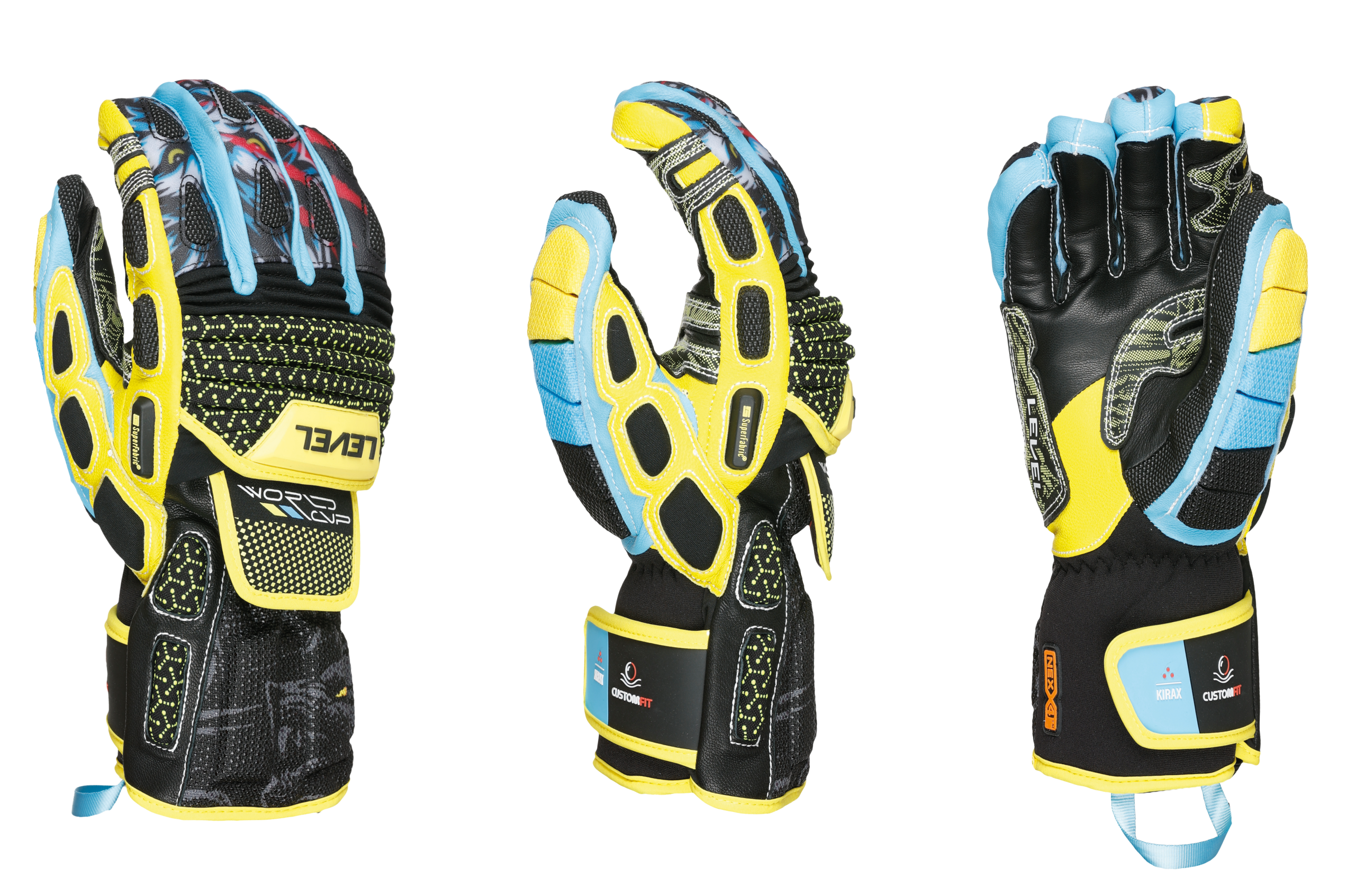
From this need comes the introduction of innovative materials such as NexX4™, a technology developed by JV International and applied to the new generation Level gloves.
It is a polymeric material designed to combine lightness, flexibility and abrasion resistance, maintaining constant performance over a wide temperature range, from -40°C to +40°C.
Its structure allows for reduced thicknesses without sacrificing performance consistency, while its modular nature allows it to be adapted to different technical configurations. In racing, this translates into greater durability compared to traditional materials and a more stable response over time, even after intensive use.
The concrete application is found in the models developed by Level, such as the Worldcup CF, Race Speed, and Off Piste N4 Mitt, designed to meet the needs of high-level skiers and snowboarders. In particular, in on-piste disciplines, the combination of resistance and flexibility allows for control and stability when making turns, without limiting the sensitivity of the technical movement.
Cross-country skiing: fit as a performance factor
If in snowboarding the central theme is resistance at the contact points, in cross-country skiing performance is built starting from the fit and the efficiency of power transfer.
In this context, the BOA® Fit System has established itself as one of the most advanced solutions. The system replaces traditional laces with a micro-adjustable dial, steel cables, and low-friction guides, allowing for precise, uniform, and continuous adjustment even during activity.
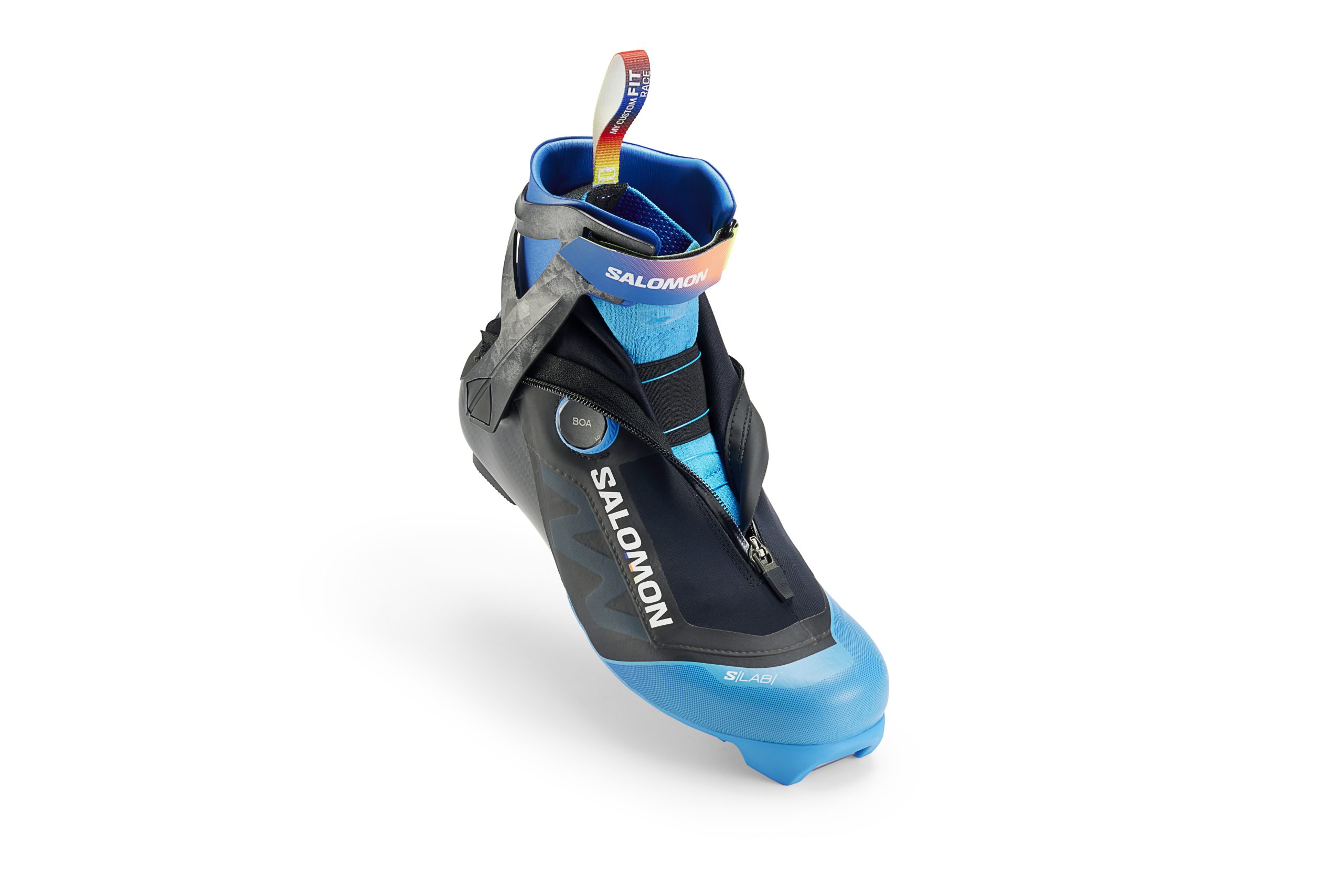
The BOA® Li2 and L6 platforms, designed for cold and variable conditions, ensure consistent tension and reliable closure even in sub-zero temperatures. The ability to micro-adjust the fit on the move allows athletes to adapt the fit to different phases of the race, maintaining stability and control.
High-end skate cross-country ski models integrate multi-zone BOA® configurations that allow for separate heel and forefoot adjustments. This results in a more precise connection between foot and ski, better power distribution, and greater efficiency.
PerformFit™ Wrap: Connection and power transfer
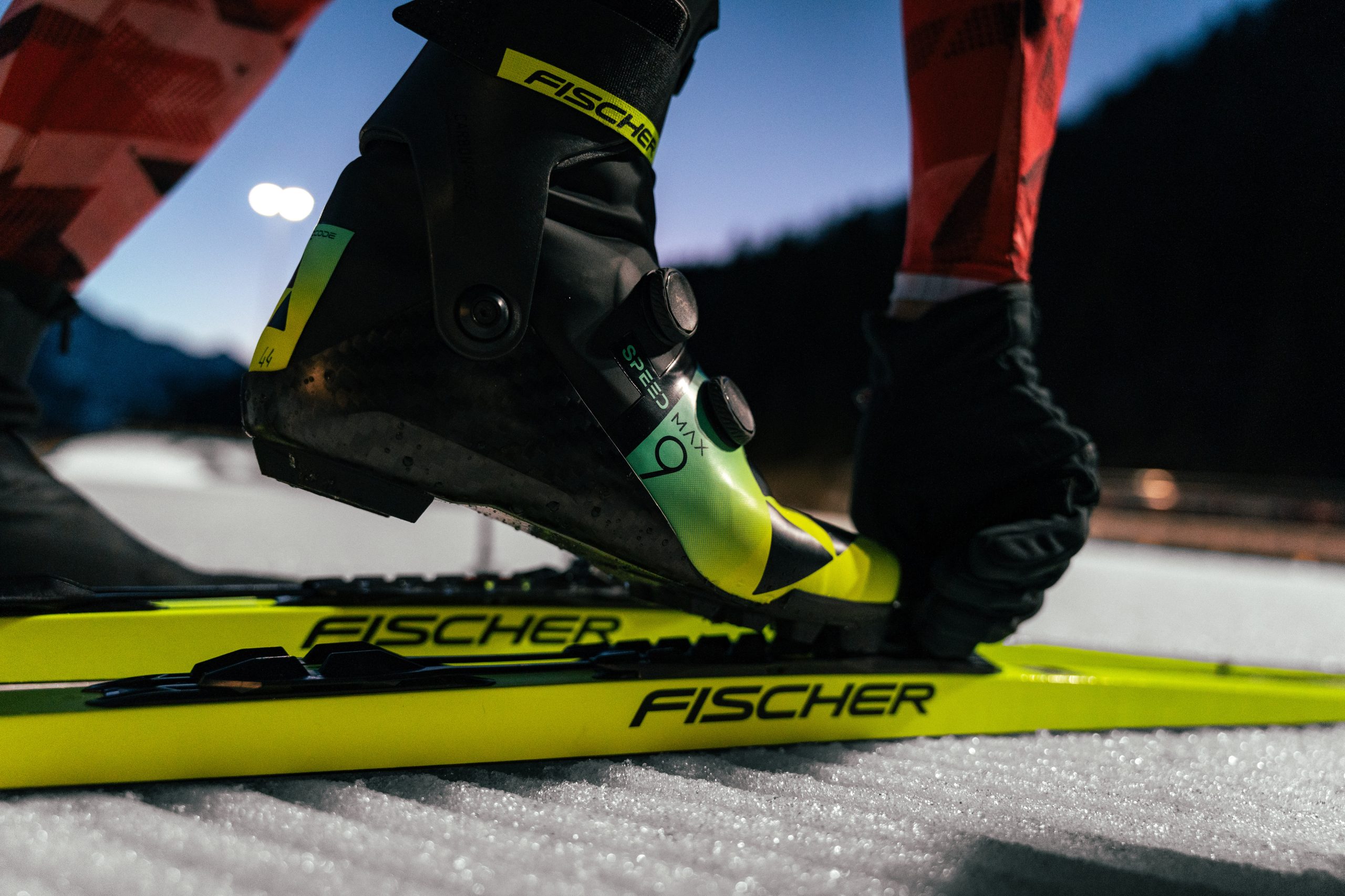
The most significant evolution is the BOA® PerformFit™ Wrap. The system is designed to evenly wrap the foot and lower leg, reducing pressure points and improving heel hold.
The result is a more direct connection between athlete and equipment, with tangible benefits in terms of stability, control, and power transfer. In disciplines where every push must be optimized, this translates into greater energy efficiency and more consistent performance.
A common direction: less waste, more control
Snowboard racing and Nordic skiing are now sharing a common trajectory. On the one hand, materials like NexX4™ are redefining the concept of resistance and durability in the most stressed areas. On the other, systems like BOA® PerformFit™ Wrap are transforming the fit into an active element of performance.
In both cases, the principle is the same: reduce waste, increase control, and ensure consistent response over time. This is where the difference lies today. Not just in technique or preparation, but in the ability to integrate innovation and real-world use, turning every detail into a competitive advantage.